Homeschool Room Ideas That Actually Work for Real Families
The Eaton Team
•July 21, 2026•
12 min read
You’ve cleared out the dining room corner, ordered some supplies, and now you’re staring at a pile of boxes. You’re wondering how this chaos will become a homeschool room that works for your family. The good news? You don’t need a Pinterest-perfect setup or a huge budget to create a learning space where your kids thrive. With about 3.4 million homeschool students across the country, families are proving every day that effective homeschool room ideas come in all shapes and sizes — from converted closets to shared kitchen tables.
This guide will walk you through practical homeschool room ideas that fit real homes and real budgets. Whether you’re working with a dedicated room or a corner of your living room, you’ll find specific strategies to organize materials, create focused learning zones, and build a space that grows with your family. Let’s turn that pile of boxes into a homeschool room that makes your days easier, not harder.
What Makes a Homeschool Room Actually Work?
Before you pin another beautiful homeschool room photo, let’s talk about what really matters. The most effective homeschool spaces aren’t the ones that look perfect. They’re the ones that make your daily routine smoother. A working homeschool room puts materials where you need them, gives kids space to focus, and adapts as your family changes.
Here’s what makes a homeschool room functional:
Easy access to daily materials. If you’re constantly hunting for pencils or the math workbook, your space isn’t working. Everything you use daily should be within arm’s reach of where you teach.
A setup that matches how you teach. Do you rotate between kids one-on-one? You need a central teaching spot. Do they work independently? Create separate work zones. Your space should support your actual teaching style, not someone else’s ideal.
Room to grow and change. Your kindergartener’s needs look nothing like your middle schooler’s. Choose furniture and storage that can shift as subjects get more complex and kids need different tools.
The essentials first, extras later. Start with a table, good lighting, and basic storage. Add specialized materials only after you know what you actually use. Many families find their best setup evolves over the first year of homeschooling.
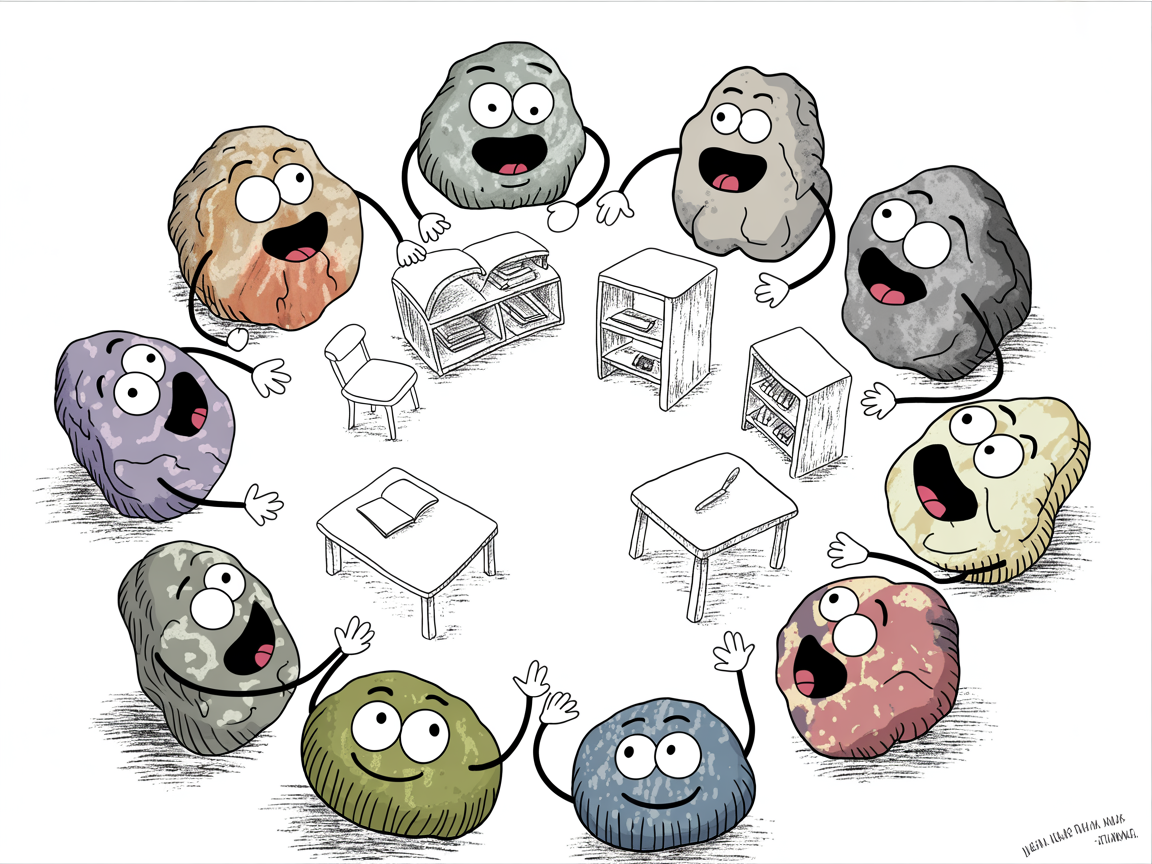
Effective homeschool room ideas divide space into purposeful zones for different learning activities.
Essential Homeschool Room Ideas for Different Spaces
Your homeschool room doesn’t need to look like anyone else’s. It just needs to work for your family’s space and routine. Whether you’re setting up in a spare bedroom or carving out a corner of your kitchen, the right approach makes all the difference. Here’s how to make the most of what you have.
Small apartment solutions: Think vertical when floor space is tight. Wall-mounted shelves hold books and supplies without eating up room. Fold-down desks attach to the wall and tuck away after lessons. Rolling carts store everything you need and wheel into a closet when you’re done. Over-the-door organizers turn wasted space into supply storage.
Dedicated room setup: If you have a full room, create zones for different activities. Put desks or a table in one area for focused work. Set up a reading nook with cushions and a bookshelf in another corner. Keep art supplies and messy projects in a third zone with easy-to-clean flooring. This helps kids shift gears between subjects.
Shared dining or living space strategies: Use bins or caddies that stack on a shelf when not in use. A rolling cart can hold today’s materials and park in a closet overnight. Tablecloths or placemats define the “school zone” during lessons and disappear for family meals.
Multiple children considerations: Younger kids often need you nearby, so a shared table works well. Older students doing independent work benefit from individual desks or lap desks in quiet corners. Mix both — a central table for group lessons and separate spots for focused reading or writing.
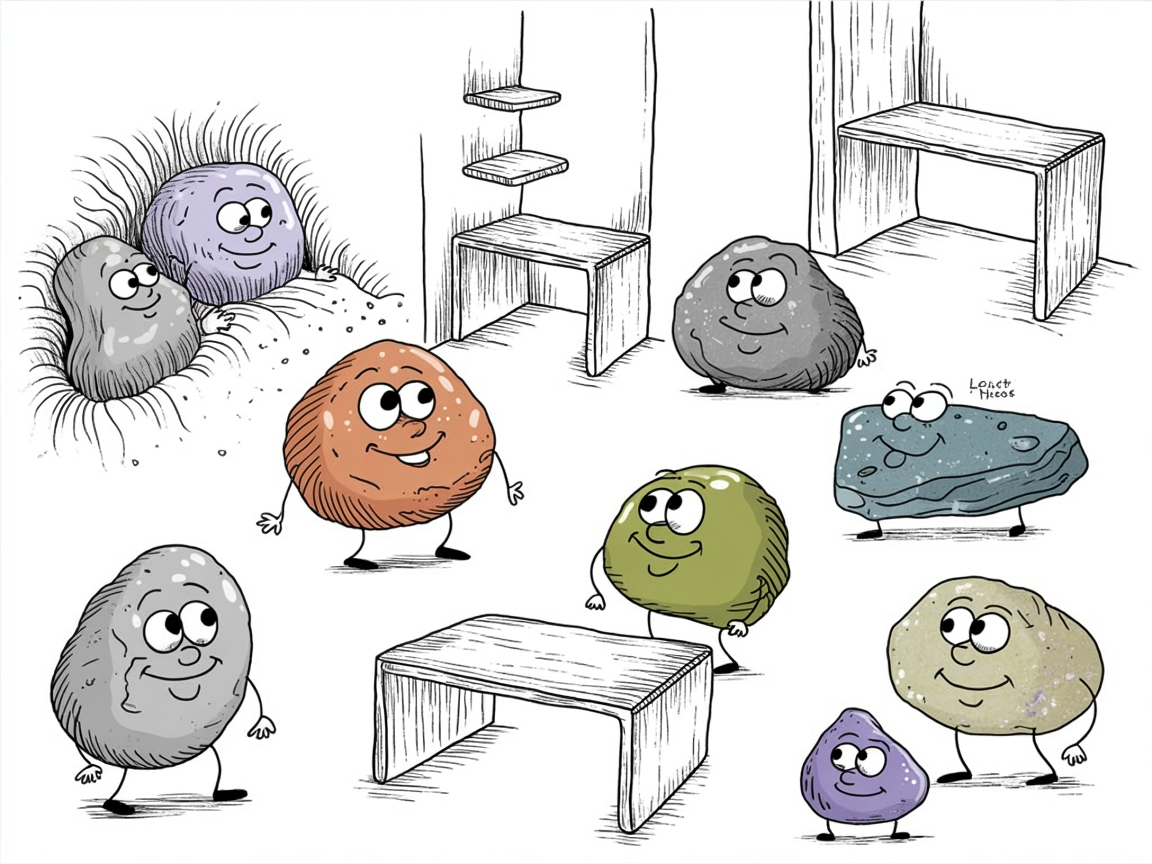
Smart homeschool room ideas adapt to any space—from small corners to dedicated rooms.
How Do You Organize Supplies in a Homeschool Room?
The difference between a homeschool room that helps your day flow and one that creates constant interruptions often comes down to how you organize supplies. When kids can grab what they need without asking you every five minutes, everyone stays focused longer. Here’s how to set up a system that works:
Use clear bins with picture labels. Young readers can find scissors, crayons, and glue sticks when they see what’s inside. Label the outside with both words and images so kids can return items to the right spot without your help.
Group materials by subject or activity. Keep all math manipulatives together, reading supplies in another bin, and art materials in their own zone. This cuts down on the time you spend hunting for things mid-lesson.
Store daily items within arm’s reach. Pencils, erasers, and current workbooks should live where kids use them most. Save high shelves for seasonal materials or books you’ll pull out later in the year.
Create a simple paper management system. Use a folder or bin for completed work that needs your review, another for graded papers to file, and a third for things heading to the recycling bin. Clear it weekly before the piles take over.
Why Organization Matters for Your Sanity
When supplies are scattered across your space, you waste time hunting instead of teaching. A good system means your kids can work more independently, and you spend less energy redirecting them to find materials. That’s a win for everyone.
Budget-Friendly Homeschool Room Ideas That Don’t Look Cheap
You don’t need to drain your savings to create a functional homeschool space. Homeschool families spend an average of $600 per student annually, and much of that goes to curriculum — not furniture. The secret is working with what you already have and getting creative with inexpensive solutions that hold up to daily use.
Shop your own home first. That bookshelf in the guest room? It works perfectly for storing supplies. Kitchen carts make excellent mobile supply stations. A dining chair becomes a dedicated desk chair.
Try these DIY wins. Tension rods mounted inside cabinets hold artwork and maps. Pool noodles cut lengthwise become book dividers in bins. Command hooks organize everything from headphones to backpacks without damaging walls.
Hunt thrift stores strategically. Look for solid wood desks (easy to paint), rolling carts, bookshelves, and bins with lids. Check Facebook Marketplace weekly for families selling homeschool setups — you’ll often find curriculum and furniture together.
Go digital when possible. Free printables and digital resources cut down on physical storage needs. One tablet replaces dozens of workbooks.
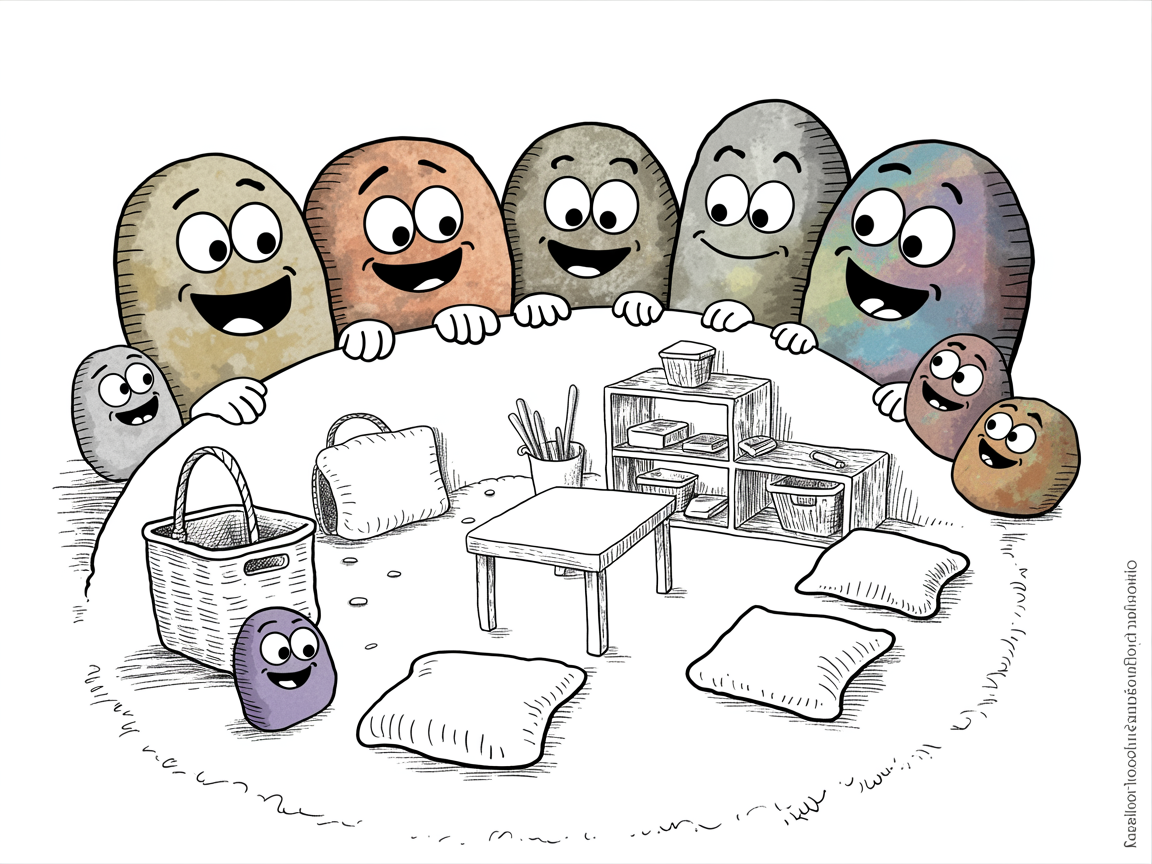
Budget-friendly homeschool room ideas prove you don’t need expensive furniture for an inviting learning space.
Setting Up Learning Zones by Age and Subject
Your homeschool room needs to work for the ages and stages you’re teaching right now. The good news? You don’t need separate rooms for each child. You just need zones that match how different ages learn best. Here’s how to set up spaces that serve everyone:
Early elementary (K–2): Keep supplies on low shelves they can reach independently. Build in floor space for sprawling art projects and movement breaks. Add sensory bins or manipulatives they can grab when they need hands-on learning.
Upper elementary (3–5): Create an independent work station with a desk or table at the right height. Put reference materials — dictionaries, atlases, math charts — at eye level so they don’t have to hunt for help.
Middle and high school: Set up a quiet focus area away from younger sibling noise. Include a technology charging station and project space for longer assignments that spread out over days.
Multi-age solutions: Use a shared table for morning work, then rotate kids through specialized zones as needed. Store each child’s materials in labeled bins they can carry to wherever they’re working that hour.
The key is flexibility. Your zones should shift as your kids grow and your family’s needs change.
What About Lighting, Seating, and Comfort?
Your kids can’t focus if they’re squinting at worksheets or fidgeting in an uncomfortable chair. The physical comfort of your homeschool space directly affects how much learning happens. Here’s what makes the biggest difference:
Natural light first, task lighting second. Position desks near windows when possible. Add a desk lamp with a warm LED bulb for reading-heavy subjects and cloudy days. Overhead lighting alone creates shadows that strain eyes.
Mix up seating options. Not every child learns best sitting still in a chair. Try wobble stools for wiggly kids, floor cushions for independent reading, and a standing option (even a tall table or counter works). Let kids choose what helps them focus.
Control temperature and noise. A space heater or fan can make the difference between focused work and constant complaints. If noise is an issue, try a white noise machine or soft instrumental music. Some kids need silence; others work better with gentle background sound.
Create distinct zones. A cozy reading nook with pillows feels different from an active learning table — and that’s the point. Your brain registers the change and shifts gears accordingly.
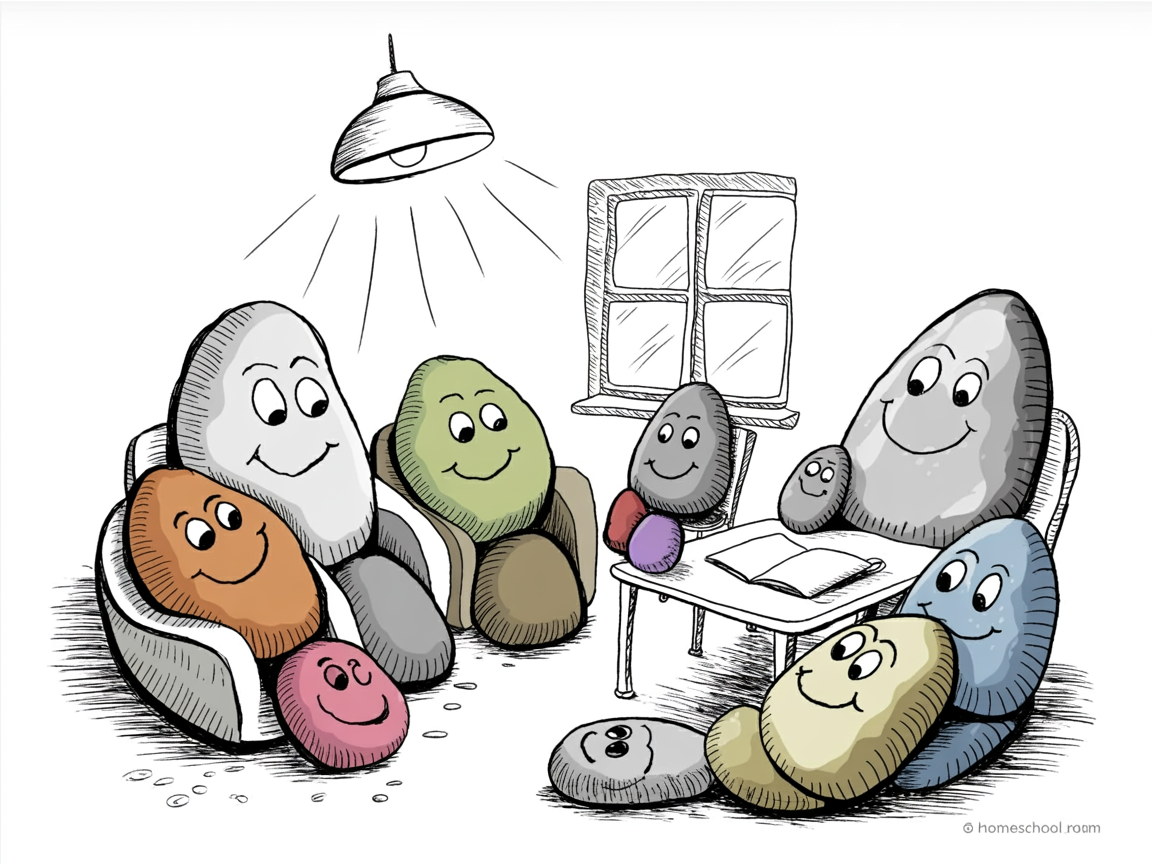
Proper lighting and ergonomic seating are essential homeschool room ideas for sustained focus and comfort.
Making Your Homeschool Room Grow With Your Family
Your kindergartener’s needs look nothing like your eighth grader’s, and your homeschool room should change right along with them. The key is building flexibility into your setup from day one so you’re not starting over every few years. Think adjustable shelving instead of fixed cubbies, and rolling carts instead of built-in desks. When you plan for growth, you save money and avoid the frustration of outgrowing your space.
Choose modular furniture that adjusts. Desks with adjustable heights work from elementary through high school. Shelving units with movable brackets let you space shelves for picture books now and textbooks later.
Schedule quarterly cleanouts. Set a reminder every three months to pull out materials your kids have outgrown. Donate or sell what you don’t need — it keeps clutter down and makes room for what’s coming next.
Plan for technology upgrades. Elementary students might share one tablet, but high schoolers often need their own laptops for research and writing. Leave desk space and outlets for future tech needs.
Know when to upgrade and when to wait. Invest in quality items you’ll use for years, like good chairs and sturdy shelving. Make do with budget options for things kids will outgrow quickly, like art supplies and early readers.
Frequently Asked Questions
Do I need a separate room to homeschool?
No, you don’t need a dedicated room to homeschool successfully. Many families use shared spaces like dining rooms, living rooms, or even kitchen tables as their primary learning area. What matters more than having a separate room is having a system that works for your family. You’ll want a way to organize materials so they’re easy to access during school time and easy to put away when you need the space for other activities. Some families use rolling carts that move between rooms, while others designate a corner with shelves and bins. The key is creating focused learning time through routines and organization, not through walls and doors.
How much should I spend on setting up a homeschool room?
You can create a functional homeschool space for under $100 by starting with what you already have. Use existing tables, chairs, and bookshelves before buying anything new. Your initial investment might just cover basic organizational supplies like bins, labels, and a few storage containers. Most families find they gradually add items over the first year as they discover what they actually need versus what looked appealing online. It’s better to start minimal and add purposefully than to spend hundreds upfront on items that don’t fit your teaching style or your kids’ learning needs.
What furniture is essential for a homeschool room?
You really only need three things: a work surface at the right height for your children, comfortable seating that supports good posture, and storage for materials you use daily. That’s it. The work surface might be a desk, a table, or even a lap desk depending on your space. Seating could be regular chairs, floor cushions, or a bench. Storage can be as simple as a bookshelf with bins or a rolling cart. Everything beyond these basics — standing desks, reading nooks, art easels — depends on your specific teaching approach and available space. Don’t let Pinterest convince you that you need specialty furniture to teach your kids well.
How do I keep my homeschool room organized with multiple kids?
The secret is giving each child their own designated space and making cleanup part of your daily routine. Assign each child a color and use that color for their bins, folders, and shelf labels. This makes it instantly clear where materials belong.
Keep only your current unit’s materials in the active learning space — store everything else in a closet or storage area and rotate items in and out as needed. End each school day with a quick 10-minute cleanup where everyone puts their materials back in their designated spots. This prevents the overwhelming pile-up that makes organization feel impossible. When you limit what’s accessible and make putting things away a habit, organization becomes manageable even with several kids working in the same space.
Your homeschool room doesn’t need to look like a magazine spread to work beautifully for your family. The best learning space is the one that fits your actual daily routine — where books are easy to grab, supplies don’t disappear into chaos, and your kids can focus without you constantly redirecting them back to the table.
Start small. Pick one section from this article — maybe it’s creating a simple supply station or setting up a reading corner — and tackle it this weekend. See how it changes your mornings. Then add the next piece when you’re ready. You’ll discover what your children actually need as you go, and that’s far more valuable than copying someone else’s perfect setup.
The goal isn’t perfection. It’s reducing the daily friction that makes homeschooling harder than it needs to be. When your space supports learning instead of fighting against it, you’ll spend less time managing stuff and more time doing what you set out to do: teaching your kids.
Curated resources and expert insights from the Eaton team to support your homeschool journey. Our content is researched and crafted to help families thrive.