Homeschool Pickers: Turn Thrift Store Treasure Hunting Into Real-World Learning
The Eaton Team
•July 15, 2026•
11 min read
You want your kids to learn real skills. But most homeschool activities feel too academic or just for fun. What if you could teach math, history, and business skills while hunting for treasures at yard sales? That’s what homeschool pickers do. It’s easier to start than you think. This hands-on approach turns shopping into full learning. Your kids research items, calculate profit, negotiate prices, and discover stories behind vintage finds. It’s education that doesn’t feel like school. It might even earn your family extra money. As more families choose home education (with 5.2 percent of children ages 5 to 17 receiving academic instruction at home in 2022–23), creative approaches like picking help make learning stick.
Whether you want a new co-op activity or a weekend family project, homeschool picking offers something special. It’s education your kids will remember.
What Are Homeschool Pickers?
Homeschool pickers are families who turn thrift stores, yard sales, and flea markets into hands-on classrooms. Instead of just shopping for deals, they teach their kids to spot valuable items. They research history and understand what makes something worth buying. It’s learning that happens while you browse dusty shelves and negotiate prices.
This isn’t your typical weekend shopping trip. Picking is intentional. You look for specific items to study, resell, or add to a collection. Your daughter might research Depression-era glassware patterns before hitting estate sales. Your son could calculate profit on vintage tools he wants to flip online. They’re doing real math, real research, and real business planning. But it feels like an adventure, not a worksheet.
The beauty of homeschool picking is how it fits with your existing curriculum. You still use your math textbook and history lessons. But now those concepts come alive. Your kids hold a Civil War-era photograph or figure out if a $5 lamp could sell for $40. It’s the bridge between book learning and the real world. And it sticks with them long after the school year ends.
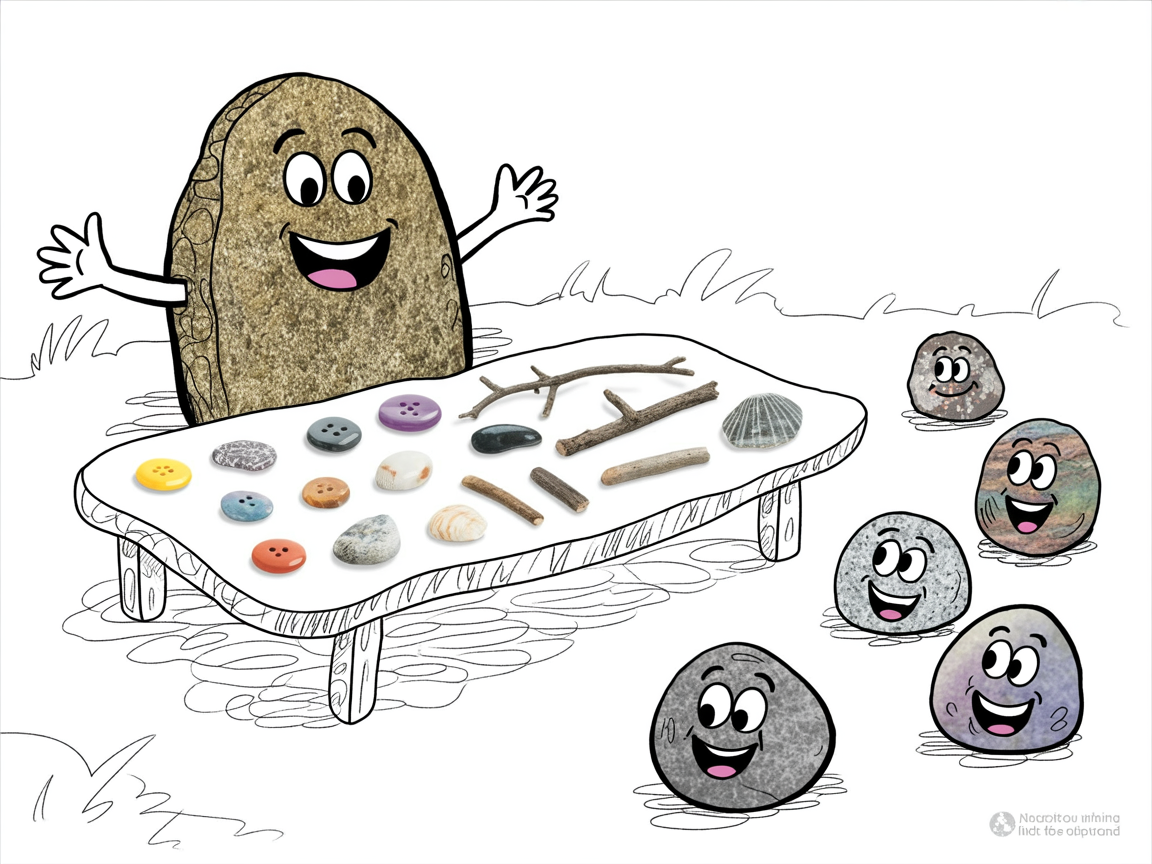
Homeschool pickers encourages children to discover and collect natural objects
Why Picking Works Better Than Worksheets for Some Skills
Some kids memorize multiplication tables just fine. Others need to see numbers in action before they click. Picking meets learners where they are. They touch real objects, make real decisions, and face real consequences. When your child calculates whether a $5 vintage toy could sell for $20, math suddenly matters. When they negotiate with a vendor, social skills aren’t abstract concepts from a curriculum guide.
Here’s what makes picking different from traditional lessons:
Hands-on learning sticks. Kids remember what they touch, hold, and examine far better than what they read on a page.
Real money makes math meaningful. Profit margins, percentages, and budgets matter when it’s your family’s cash on the line.
Social skills happen naturally. Your child practices conversation, negotiation, and reading social cues with vendors. Not role-playing scenarios.
Movement supports learning. Walking through sales, lifting items, and examining details engages kids who struggle to sit still with worksheets.
This approach doesn’t replace every lesson. But for certain skills—especially practical math and interpersonal communication—homeschool pickers learn what textbooks can’t teach.
Math Skills Homeschool Pickers Learn Naturally
Forget worksheets. Picking puts math in your kids’ hands with real money and real stakes. Every thrift store visit becomes a chance to practice skills they’ll use as adults.
Mental math on the spot: Your child sees a $15 item marked 50% off. What’s the final price? They calculate it right there, no pencil needed. Then they add up multiple items to stay within budget.
Real budgeting practice: Hand them $20 and watch them make choices. They’ll weigh wants against budget limits. They learn that spending decisions have consequences. These lessons stick better than any lecture.
Percentage calculations: “I can buy this for $5 and sell it for $15—that’s a 200% markup!” They’re doing percentage math without realizing it’s math class.
Measurement and estimation: Will that dresser fit in your car? They’ll estimate dimensions, compare measurements, and develop spatial reasoning skills that geometry textbooks try to teach.
The best part? Kids don’t groan about this math. They’re too busy hunting their next great find. Homeschool pickers develop number sense through experience, not drills.
Homeschool pickers naturally builds counting, sorting, and pattern recognition
How to Start Homeschool Picking With Your Family
You don’t need a big budget or expert knowledge to get started. Just a clear plan and a sense of adventure. Your first few trips will teach you more than any guide ever could. But a few smart choices up front will help everyone feel confident.
Set a starter budget of $20–50. This gives you real money to work with without risking much if items don’t sell. Let your kids help decide how to spend it. They’ll learn budgeting fast when it’s their own treasure hunt.
Pick beginner-friendly categories. Start with books, vintage toys, or sports equipment. These items are easy to research and hold value well. They don’t require expert knowledge to spot quality.
Create a simple research routine. Before you buy anything, pull out your phone. Search the item on eBay or Mercari. Look at “sold” listings to see what people paid. Make this a habit. Your kids will get fast at it.
Set clear ground rules. Decide together what condition is acceptable. What price range makes sense? How will you track expenses? A simple notebook or phone app works fine. The rules matter less than having them. They teach decision-making skills.
Many homeschool pickers start with a single category. They expand as confidence grows. You’ll learn together what sells well in your area. And what your kids enjoy researching most.
Integrating Picking With Your Kindergarten Homeschool Program or Curriculum
Picking doesn’t replace your core curriculum. It makes it come alive. Whether you use Time4Learning homeschool curriculum, Abeka homeschool program, or another structured program, picking trips add hands-on enrichment. They help concepts stick. Your kindergartener can practice counting coins at a yard sale after a math lesson. Or hunt for old books that connect to your history unit. The key is treating picking as a learning lab, not a shopping trip.
Here’s how to weave picking into your existing routine:
Schedule weekly field trips that reinforce what you’re teaching. Look for toys from the 1950s during a history unit. Or find items in specific colors during a science lesson on sorting.
Create portfolio pieces by having your child draw or photograph special finds. Then write (or dictate) a sentence about each item in a picking journal.
Match activities to development by letting younger kids focus on colors and shapes. Older kindergarteners practice simple addition with price tags.
Use finds as teaching tools at home. That vintage toy becomes a math manipulative. Those old postcards turn into geography lessons.
Homeschool pickers who use kindergarten homeschool programs find that picking adds real-world context to abstract concepts. Numbers on a worksheet become prices on tags. Colors in a workbook become hues on vintage dishes.
Integrate homeschool pickers activities into your kindergarten routine
History and Research Skills From Treasure Hunting
Every vintage item tells a story. Your kids become detectives when they learn to uncover it. Picking transforms history from textbook dates into tangible objects they can hold and examine. A 1950s kitchen gadget isn’t just old. It’s a window into how families cooked before microwaves. An antique toy reveals what children played with before screens. This hands-on approach makes historical periods real in ways textbooks can’t match.
The research skills develop naturally. Your child spots an interesting item and wants to know more. They learn to search for maker’s marks and check patent dates. They compare similar pieces online. They discover which details matter. The type of wood. The style of hardware. The manufacturing technique. Soon they’re authenticating items, dating pieces to specific decades, and spotting reproductions. These are the same critical thinking skills they’ll use in college research papers. But they’re learning them while having fun.
When your daughter can explain why one Depression glass pattern is worth $5 and another is worth $50, she’s practicing the kind of analysis that makes learning stick. Homeschool pickers develop expertise through repeated exposure to real artifacts, not memorization.
Building Business Skills Through Reselling
When your kids list their first item for sale online, they’re practicing skills most business courses only talk about. They’ll write descriptions that grab attention. They take photos that show an item’s best features. They answer questions from potential buyers. These aren’t abstract lessons. They’re real interactions with real customers who expect professional service.
As sales come in, your children learn to track inventory. They calculate what they’ve earned and decide whether to reinvest profits or save them. They’ll discover the difference between revenue and profit when shipping costs eat into their margins. They’ll understand why record-keeping matters when it’s time to count up their earnings.
Best of all, the stakes stay low while the lessons stick. A five-dollar mistake on a vintage toy hurts less than a business failure later in life. But it teaches the same principles. Your kids get to practice entrepreneurship in a safe environment. You’re right there to guide them through challenges and celebrate their wins. Homeschool pickers learn business fundamentals through experience, not theory.
Homeschool pickers teaches entrepreneurship through natural object trading
Frequently Asked Questions
What age is best to start homeschool picking?
Kids as young as five or six can join picking trips with simple jobs. They might look for books they’d enjoy or spot toys in good condition. Older elementary students can handle research tasks and calculate profit margins. They’ll learn to compare prices and add up costs. Teens can manage full reselling operations on their own. From finding items to listing them online. The key is matching tasks to your child’s abilities. Even your youngest learners benefit from the experience of evaluating items and making decisions.
How much money do you need to start?
You can start with just $20 to $50 for your first few trips. Focus on learning rather than making money at first. Look for low-risk items like books, games, or household goods. Many families find that small wins build confidence before they invest more. Your kids will learn valuable lessons even if you only break even. As they get better at spotting deals, you can increase your budget. Some families never spend more than $50 per trip and still have great learning experiences.
Do homeschool pickers need to sell what they find?
Not at all. Some families keep their finds for personal use or donate them to others. The real learning happens during research, evaluation, and decision-making. Your kids practice critical thinking when they assess an item’s value and condition. Selling just adds business skills on top. Pricing, marketing, and customer service. If your family isn’t ready to sell, you’ll still teach important life skills. You might start by keeping finds and add selling later when everyone feels comfortable.
How do you fit picking into a structured homeschool curriculum?
Schedule picking trips as weekly field trips or Friday enrichment activities. Most families find two to four hours per week works well. Use your finds to support current lessons. Vintage books can enhance literature studies. Old tools become hands-on history lessons. Collectibles offer real-world math practice with pricing and percentages. You can even tie picking to geography by researching where items were made. The flexibility means picking fits around your existing schedule rather than taking it over.
Homeschool picking turns everyday shopping trips into memorable learning experiences. Your kids practice math while calculating profits. They learn history through vintage items. They build real business skills. All without a single worksheet. This hands-on approach works beautifully alongside your regular curriculum. Whether you use Time4Learning, Abeka, or another program. You’re not replacing structured lessons. You’re adding something your kids will talk about for years.
Start small this weekend. Give your child $20 and pick one category they’re curious about. Books, toys, sports equipment. Whatever sparks their interest. Visit a yard sale or thrift store together. Let them research, negotiate, and decide what to buy. You might be surprised at how quickly they start seeing profit potential. And asking questions you never expected.
The treasures you find matter less than the skills your kids build along the way. They’re learning to think critically, solve problems, and see opportunities others miss. That’s education that sticks. And it starts with a single shopping trip.
Curated resources and expert insights from the Eaton team to support your homeschool journey. Our content is researched and crafted to help families thrive.