Online Reputation Management for Homeschoolers: Teaching Kids Digital Responsibility
The Eaton Team
•September 18, 2026•
12 min read
Your child just posted something online that makes your stomach drop. Or maybe you’re worried about what they might post tomorrow. As homeschool parents, we teach our kids reading, math, and science—but are we teaching them online reputation management? According to research on youth social media use, up to 95% of teens ages 13-17 use social media platforms, with more than a third saying they use it “almost constantly.” That’s a lot of chances for posts that could follow them for years.
Here’s what makes this even more urgent: nearly 40% of children ages 8-12 use social media despite most platforms requiring users to be 13. Kids are online earlier than you might think. Everything they post becomes part of their digital footprint. A thoughtless comment at age 11 can resurface when they’re applying to college or looking for their first job. The good news? Teaching your kids how to build and protect a positive online reputation is easier than you might think.
What Is a Digital Footprint for Kids (And Why Does It Matter)?
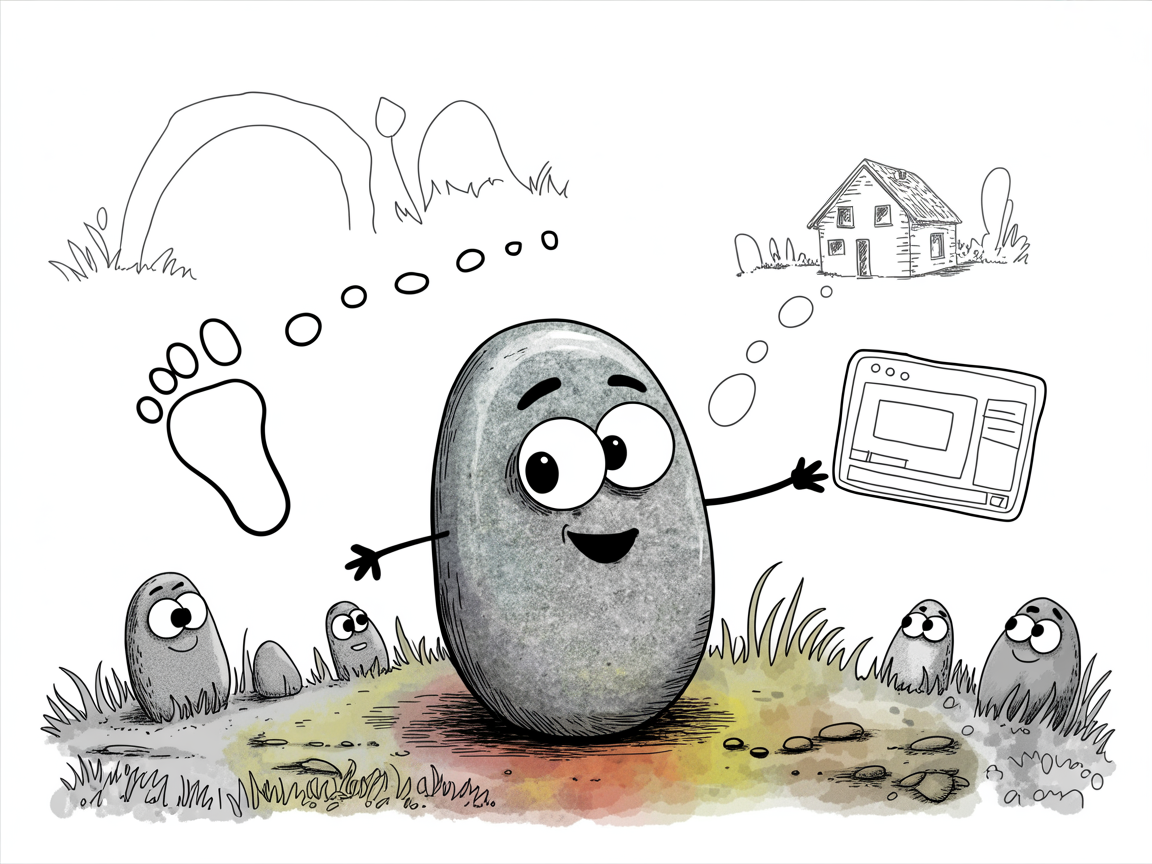
Think of a digital footprint as a trail of breadcrumbs your child leaves online—except these breadcrumbs never disappear. Every photo they post, comment they make, video they like, and even search they type creates a permanent record. It’s all being saved somewhere. It’s easier to find than you might think.
A child’s digital footprint comes in two forms. The active footprint includes everything they post themselves—social media updates, YouTube comments, gaming chat messages. The passive footprint is trickier. It’s what others post about them, plus all the data companies collect as they browse. That embarrassing photo a friend tagged them in? That’s part of their passive footprint. They didn’t choose it.
Here’s why this matters: colleges check social media before accepting students. Employers search candidates online before hiring. Future relationships can be affected by what someone finds from years ago. One angry post or inappropriate photo can close doors before your child even knows they’re applying. The homeschool advantage? You have time to teach this properly, before your kids are navigating it alone. You can build these skills into your curriculum starting today.
A child’s digital footprint grows with every online interaction—understanding this is key to online reputation management.
When Should You Start Teaching Online Reputation Management?
You don’t need to wait until your child has a smartphone to start these conversations. The best time to begin is right now, whatever age your kids are. Here’s how to approach online reputation management at each stage:
Elementary years (ages 5-10): Focus on foundation concepts. Teach kids that anything they share online stays forever—like writing in permanent marker instead of pencil. Talk about what information should stay private (full name, address, school name). Practice these ideas through family discussions about photos you post of them.
Middle school (ages 11-13): This is when active monitoring becomes critical. Nearly 40% of children ages 8-12 use social media despite age restrictions, so your middle schooler is likely already interested or participating. If you allow social media, start with private accounts and review every post together before it goes live.
High school (ages 14-18): Shift toward building a positive presence. Help teens create professional profiles for college applications or future jobs. Teach them to Google themselves quarterly and address any concerning results. This is when online reputation management becomes a life skill they’ll use forever.
Remember—it’s never too late to start. If your teen is already online without guidance, begin the conversation today. Most kids want to do the right thing once they understand why it matters.
Teaching Online Safety in Your Homeschool: Elementary Foundations
Start teaching online reputation basics when your kids are young—even before they have their own accounts. Elementary-aged children can grasp simple concepts that will protect them for years to come. Here are four foundational lessons every homeschool parent should teach:
The toothpaste tube analogy: Squeeze toothpaste onto a plate, then ask your child to put it back in the tube. They can’t. Explain that online posts work the same way—once something’s out there, you can’t take it back, even if you delete it.
The grandma test: Before posting anything, ask: “Would I be okay if Grandma saw this?” If the answer is no, don’t post it. This simple filter helps kids think twice about content that might embarrass them later.
Private vs. shareable information: Teach kids that full names, addresses, phone numbers, school names, and locations should never be shared online. Practice identifying what’s safe to share and what should stay private.
Create a family media agreement: Write down clear rules together—when devices can be used, which sites are allowed, and what happens if rules are broken. Post it where everyone can see it.
Elementary-age children benefit from foundational online safety lessons that support healthy online reputation management.
Middle School: Monitoring Without Hovering
Middle school is when kids push for independence—but they still need your guidance online. The key is staying involved without making them feel like you’re spying. Think of it as teaching them to drive: you’re in the passenger seat, not hiding in the trunk.
Here’s how to strike that balance:
Set up shared accounts or follow your kids on every platform. This isn’t sneaky—it’s transparent. Tell them upfront that you’ll be connected to their accounts. Many families find success with shared passwords stored in a family password manager.
Schedule regular digital check-ins as part of your homeschool routine. Pick a day each week or every other week to review their posts and messages together. Make it casual—sit down with hot chocolate and scroll through their feed while talking about what they’re seeing and sharing.
Teach the 24-hour rule for emotional content. When they’re angry, hurt, or upset, they should wait a full day before posting anything about it. Emotions cool down, and tomorrow’s perspective is almost always clearer than today’s.
Role-play tricky situations before they happen. Practice responses to cyberbullying, peer pressure to share something inappropriate, or strange requests from online “friends.” When your child has rehearsed what to do, they’re more likely to make good choices in the moment.
Responsible Content Creation for Children: Building a Positive Presence
Instead of just warning your kids about what not to post, teach them what they should share. When kids understand they’re building something—a digital presence that reflects who they are—they make better choices. Think of it like teaching them to keep their room clean instead of just yelling about the mess.
Start with digital citizenship. This means being a good neighbor online, just like in real life. Your child wouldn’t walk into someone’s house and insult their cooking, right? The same rules apply to comment sections. Help them see that real people read their words, and those words have real impact.
Guide your kids to curate content intentionally. If your daughter loves art, help her share her drawings. If your son is into coding, encourage him to post about projects he’s building. These positive contributions show colleges and future employers what your child cares about. A feed full of helpful comments, creative work, or community involvement tells a much better story than random posts or empty accounts.
The goal isn’t perfection—it’s purpose. When kids post with intention, they build a reputation that opens doors instead of closing them. Teaching responsible content creation helps your child see online reputation management as an opportunity, not a burden.
Teaching children to create thoughtful, positive content helps build a strong online reputation management foundation.
What to Do When Online Reputation Management Goes Wrong
Even with the best teaching, mistakes happen. Your child posts something inappropriate, shares too much personal information, or gets tagged in something embarrassing. Take a deep breath—this is fixable. Here’s how to handle it:
Stay calm and assess the damage. Read the post carefully before you react. Is it truly problematic, or are you overreacting? Your calm response will teach your child how to handle future mistakes.
Delete it immediately if you can. Remove the content from your child’s account right away. But first, take a screenshot for your records—you’ll want proof it’s been removed if it comes up later.
Contact the platform if needed. Can’t delete it yourself? Most social media sites have reporting tools. Look for “Report” or “Help” options in the post menu. Explain why the content violates their terms of service. Be specific and polite—you’re more likely to get help.
Turn it into a teaching moment. Once the immediate problem is solved, sit down with your child. What happened? Why was it a problem? How can they prevent it next time? This conversation matters more than the mistake itself.
Remember, mistakes are part of learning online reputation management. How you respond teaches your child that problems can be solved and that you’re there to help, not just to punish.
Making Digital Reputation Part of Your Homeschool Curriculum
Weaving digital citizenship into subjects you’re already teaching works better than a separate “online reputation” class. The beauty of homeschooling is that flexibility. When your kids write essays, talk about how their words might sound to a future reader. During civics lessons, discuss how public figures manage their online presence. Health class is a perfect time to explore how social media affects mental wellbeing and reputation.
Try setting aside time each month for a “digital wellness” conversation. Make it casual—maybe over lunch or during a car ride. Ask your kids what they’ve seen online lately that surprised them or made them uncomfortable. Use current events as jumping-off points. When a celebrity or athlete faces backlash for an old post, talk through what happened and why it matters.
Here’s a project that works well: have your kids search for themselves online. What comes up? Is it what they want colleges or future employers to see? Then create an action plan together. Delete old posts that don’t represent who they are now. Adjust privacy settings. Maybe start a blog or portfolio that showcases their real interests and talents. When kids take ownership of their digital footprint, they start making smarter choices about what they share.
Integrating online reputation management into your homeschool curriculum helps children develop lifelong digital citizenship skills.
Frequently Asked Questions
Should I let my homeschooled child have social media?
There’s no one-size-fits-all answer here. Every child matures differently, and you know yours best. Consider whether your child can handle peer pressure, thinks before posting, and accepts your guidance. Also think about your own capacity to monitor their activity consistently. Many homeschool families wait until age 13 or 14 and start with just one platform—something you set up and explore together. Starting with a shared account or one where you have the password works well. The key is starting small and supervised, then gradually increasing freedom as your child demonstrates responsibility.
How do I check my child’s digital footprint?
Start by googling their full name in quotes, like “Jane Smith homeschool.” Then check Google’s image search too. Sit down with your child and review their social media privacy settings together on every platform they use. Try Namechk to see where their username appears across different sites. Make this a learning activity, not an interrogation. Show them what you find and talk through whether they’re comfortable with those results. Do this check every few months—it takes 10 minutes and teaches them to think like a college admissions officer or future employer.
What if my teen refuses to let me see their accounts?
This is about safety, not snooping. Frame it clearly: access to devices and social media is a privilege that requires transparency. You’re not reading their diary—you’re supervising their public activity in spaces designed to be shared. That said, demanding full access overnight rarely works with teens. Consider a gradual approach. Start by asking them to show you their accounts weekly and explain what they’ve posted. As they demonstrate good judgment over time, you can step back. But make it clear that secrecy around accounts isn’t an option in your home. If they need a private space for thoughts, suggest a paper journal.
Can colleges really see what my child posts online?
Yes, and they do look. Research from Kaplan Test Prep found that 68% of college admissions officers view applicants’ social media profiles as fair game during the decision process. Even “private” accounts aren’t truly private—friends can screenshot and share posts. Teach your teen this reality check: if they wouldn’t want it projected on a screen during a college interview, they shouldn’t post it. This isn’t about scaring them away from social media. It’s about helping them understand that online and offline reputation are the same thing now.
How often should we talk about online reputation?
Make it ongoing, not a one-time lecture. Brief, regular conversations work much better than sitting your kid down for “the social media talk.” For younger children just starting online, aim for a few minutes each week when you check in on their activity together. For teens with more independence, bring it up naturally when relevant—when they’re about to post something, when you see news stories about online mistakes, or during your monthly digital footprint check. The goal is making online reputation management feel normal, like brushing teeth, not like a scary topic that only comes up when something goes wrong.
Online reputation management isn’t about controlling your kids—it’s about equipping them with wisdom for a digital world they’ll navigate long after they leave your home. You don’t need to be a tech expert or have all the answers today. Even small conversations build the foundation for better decisions tomorrow.
Your homeschool gives you something precious: time to teach these skills intentionally, at your child’s pace. You can pause when they need more explanation. Additionally, you can revisit topics when real situations come up. You can model the thoughtful approach to technology that you want them to carry into adulthood.
Here’s your next step: schedule a “digital footprint check” with your child this week. Sit down together and search their name online. Talk about what you find—or don’t find. Ask what they want their digital presence to say about them five years from now. This simple exercise often sparks the most meaningful conversations about online reputation management. Start there, and build from what you learn together.
Curated resources and expert insights from the Eaton team to support your homeschool journey. Our content is researched and crafted to help families thrive.