Florida Virtual Homeschool: Which Option Is Right for Your Family?
The Eaton Team
•August 24, 2026•
11 min read
You’ve heard florida virtual homeschool could be perfect for your family. But between FLVS Full Time, Flex, K12, and regular homeschooling with online courses, you’re drowning in options. You’re worried about making the wrong choice. Each path has different rules, costs, and parent involvement levels. Choosing wrong could mean scrambling mid-year to fix compliance issues. Or realizing too late that your student needed more structure. According to research on virtual school performance, graduation rates and student-teacher ratios vary widely across different online programs. Understanding what you’re actually signing up for matters more than you might think.
This guide breaks down every florida virtual homeschool option in plain language. You’ll learn exactly how FLVS Full Time differs from Flex. You’ll see what K12 actually requires from parents. And you’ll know when traditional homeschooling with online courses makes more sense. We’ll cover enrollment requirements, costs, daily schedules, and parent involvement. By the end, you’ll know which path fits your family’s needs. And you’ll know how to enroll with confidence.
What Are Your Florida Virtual Homeschool Options?
Florida gives you four different paths for virtual education. And they’re not the same. FLVS Full Time works as a public school. Certified teachers handle all instruction. You’re not teaching—you’re supervising. Your student logs in, attends live sessions, and completes assignments under teacher guidance. This isn’t homeschooling in the legal sense. It’s public school delivered online.
FLVS Flex works differently. You keep your homeschool registration with your county or umbrella school. Then you enroll in individual FLVS courses as supplements. Your student might take Algebra II through Flex while you teach everything else. You’re still the main educator. Flex just fills specific gaps.
Independent homeschooling with virtual curriculum puts you fully in charge. You choose programs like Time4Learning or Khan Academy. You file the required paperwork with Florida. And you manage your student’s entire education. According to research on virtual school performance, the average student-teacher ratio in virtual schools is 44 students per teacher—nearly three times the national average. When you homeschool independently, that ratio is one-to-one in your home.
K12-powered virtual schools operate as charter schools. They have their own enrollment windows and requirements. They’re tuition-free public schools that use K12’s curriculum. But they’re separate from FLVS. They have different academic calendars and policies.
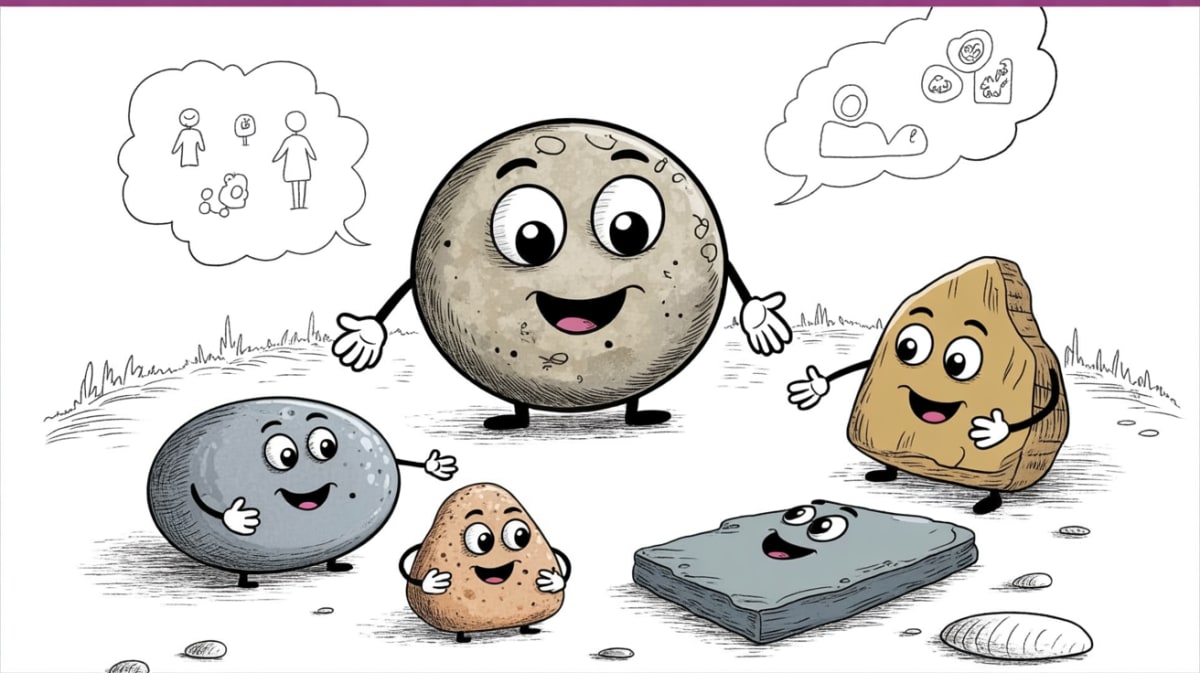
Different Florida virtual homeschool pathways represented by unique stone characters
FLVS Full Time vs. Traditional Florida Virtual Homeschooling: Key Differences
Here’s what confuses most families. FLVS Full Time students aren’t homeschoolers under Florida law. They’re public school students learning at home. That single fact changes everything about your legal duties. It changes curriculum control and daily life.
When you enroll in FLVS Full Time, you’re choosing public school. The state assigns teachers. The state sets the curriculum. And the state requires standardized testing. You supervise your child’s work. But teachers handle instruction and grading. Your student follows the school’s schedule and pacing guides.
Traditional florida virtual homeschooling gives you complete control. You choose curriculum. You set the schedule. And you decide your educational philosophy. Instead of state-mandated tests, you pick your annual evaluation method. Portfolio review, standardized testing, or teacher evaluation. You’re the teacher, not just the supervisor.
The parent involvement difference is huge. FLVS Full Time parents need to make sure kids log in. They make sure kids complete assignments and attend virtual classes. Homeschool parents teach lessons. They explain concepts and guide learning directly. According to research on virtual school performance, the average student-teacher ratio in virtual schools is 44 students per teacher—nearly three times the national average. That means Full Time parents often fill gaps teachers can’t cover.
How Does the Family Empowerment Scholarship (FES) Work with Virtual Homeschooling?
The family empowerment scholarship for Educational Options (FES-EO) gives Florida homeschool families money. You can buy curriculum, online courses, and educational services. That includes virtual school programs. If you qualify, you’ll receive funds based on your household income and size. The scholarship can cover things like FLVS Flex courses, K12 materials, and tutoring. It can even cover therapies if your child has special needs.
Step Up for Students runs the FES program. They provide a detailed handbook listing approved expenses. You’ll apply through their website. If accepted, you’ll get a scholarship account to pay vendors directly. The amount varies. Lower-income families receive more funding than higher-income households.
Here’s the catch. Receiving FES money doesn’t change your homeschool duties. You still must file a notice of intent with your county. You still keep a portfolio. And you still complete annual evaluations just like any Florida homeschooler. The scholarship pays for materials. But you’re still the teacher of record. You can’t use FES to enroll in FLVS Full Time. That’s already tuition-free. But you can use it for Flex courses or other virtual programs that charge fees.
Family Empowerment Scholarship support empowers Florida virtual homeschool families
What Are Florida’s Legal Requirements for Homeschooling?
Before you enroll in any virtual program, you need to understand Florida’s homeschool law. Some online options count as homeschooling. Others don’t. If you’re running a true home education program, here’s what Florida requires. This doesn’t apply if you’re enrolling in FLVS Full Time or a charter school.
File a notice of intent with your county school superintendent within 30 days of starting homeschool. This simple form tells the district you’re taking charge of your child’s education.
Maintain a portfolio of work samples and educational activities throughout the year. Keep examples of writing, worksheets, and projects. Anything that shows what your student learned.
Complete an annual evaluation by a certified teacher, standardized test, or other approved method. You choose which evaluation method works best for your family.
Keep records for two years after each evaluation. Your superintendent might request a review. Store portfolios and evaluation letters somewhere safe and easy to find.
These requirements apply only if you’re homeschooling independently. Or if you’re using FLVS Flex as a supplement. FLVS Full Time and K12-powered schools handle compliance differently. We’ll cover that next.
Which Florida Virtual School Option Fits Your Family’s Situation?
Your daily schedule and teaching confidence matter more than you might think. They matter when choosing a florida virtual homeschool path. FLVS Full Time works best if you need certified teachers to handle instruction and grading. You focus on supporting your student at home. Your student follows a structured school calendar with assigned teachers. You’re the learning coach, not the main instructor. FLVS Flex gives you the opposite setup. You stay in charge of your homeschool program. But you add individual FLVS courses when you need expert help. Like in chemistry or foreign language.
Independent homeschooling with virtual curriculum hands you complete control. You choose every course. You set the pace. And you customize everything to fit your student’s learning style. This path demands the most parent involvement. You’re both teacher and administrator. But it gives you maximum flexibility to adjust on the fly.
Consider your work schedule honestly. According to research on virtual school performance, the average student-teacher ratio in virtual schools is 44 students per teacher—nearly three times the national average. That means even “teacher-led” programs expect significant parent support at home. If you work full-time outside the home, FLVS Full Time’s structured approach might feel more manageable. More manageable than trying to teach everything yourself.
Choosing the right Florida virtual school option for your unique family situation
How Much Time Will You Actually Spend on Florida Virtual Homeschooling?
Time commitment varies wildly depending on which path you choose. Understanding this upfront prevents burnout three months in.
FLVS Full Time: You’ll spend 30-60 minutes daily monitoring progress and talking with teachers. The school handles instruction. But you’re the accountability partner. You make sure your student logs in and completes work.
FLVS Flex courses: Younger students need you sitting beside them for 1-2 hours per course. You explain concepts and keep them on track. High schoolers can work independently. But you’ll still check in weekly to review grades and upcoming deadlines.
Independent virtual homeschooling (elementary): Plan for 2-4 hours daily of direct teaching time. You’re choosing curriculum and explaining lessons. You’re grading work and troubleshooting when your child gets stuck.
Independent virtual homeschooling (high school): Teens using virtual curriculum can handle 4-6 hours of work independently. You’ll spend 30-60 minutes weekly reviewing progress. You’ll discuss difficult concepts and plan ahead. But they’re driving their own learning.
According to research on virtual school performance, the average virtual school has 44 students per teacher—nearly three times the national average. That means less one-on-one attention from instructors. Which often translates to more parent involvement than you might expect.
Your Step-by-Step Enrollment Roadmap for Florida Virtual Homeschooling
You’ve picked your approach. Now let’s get you enrolled without missing any critical steps. The process differs dramatically depending on your choice. FLVS Full Time counts as public school. Homeschooling with virtual courses is different. Here’s exactly what to do:
Decide your legal status first. FLVS Full Time enrolls you as a public school student. Traditional homeschooling with online courses means you’re the teacher of record. This choice determines everything else.
For homeschooling: File your notice of intent with your county school district within 30 days of starting. Then apply for the FES-UA scholarship if your income qualifies. It covers up to $8,000 for curriculum. Finally, purchase your virtual curriculum and any supplemental materials.
For FLVS Full Time: Complete the online enrollment application. Upload required documents. Proof of residency, birth certificate, immunization records. And attend the mandatory parent orientation session.
Set up before day one. Create a dedicated learning space with reliable internet, a desk, and supplies. Build a daily schedule that blocks time for coursework, breaks, and parent check-ins. Starting organized prevents the first-week scramble that derails many families.
Frequently Asked Questions
Is FLVS Full Time considered homeschooling in Florida?
No, FLVS Full Time students are enrolled in public school, not homeschooling. Your child follows the public school calendar. They take state tests. And they appear on public school rosters. If you want to maintain homeschool status in Florida, use FLVS Flex courses instead. Or choose independent virtual curriculum. The distinction matters for record-keeping requirements and educational freedom. Homeschoolers follow Florida Statute 1002.41. FLVS Full Time students follow public school regulations.
Can I use the Family Empowerment Scholarship for FLVS courses?
FES-EO funds can pay for FLVS Flex courses if you’re a registered homeschooler. FLVS Full Time is already free as a public school option. So scholarships don’t apply there. Check the Step Up for Students handbook for approved expenses. FLVS Flex courses qualify as curriculum purchases for homeschoolers. You’ll need to maintain homeschool status and follow FES-EO spending guidelines.
Do I need to be a certified teacher to homeschool with virtual curriculum in Florida?
No, Florida doesn’t require parent certification for homeschooling. You just need to file a notice of intent with your county superintendent. Keep a portfolio of your child’s work. And complete annual evaluations. Virtual curriculum doesn’t change these requirements. You’re still the teacher of record. Even if your student learns through online lessons.
How do I switch from FLVS Full Time to homeschooling mid-year?
Withdraw from FLVS Full Time through their enrollment system first. Then file a notice of intent with your county superintendent within 30 days. You’ll need to choose curriculum and establish your evaluation method for the homeschool year. Keep records from the date you file your notice. That’s when your homeschool year officially starts. Many families make this switch without issues. But don’t delay the paperwork.
Choosing the right florida virtual homeschool path comes down to three decisions. Do you want certified teachers managing instruction? That’s FLVS Full Time. Or do you want complete control over your child’s education? That’s independent homeschooling with virtual courses. Will you apply for the family empowerment scholarship to offset costs? And most importantly—what’s your legal enrollment status going to be?
Here’s your next step. Decide whether you’re enrolling in public school or filing as an independent homeschooler. FLVS Full Time or K12 means public school. That choice determines which paperwork you file first. If you’re going the public school route, contact the specific program directly to start enrollment. If you’re choosing independent homeschooling, send your letter of intent to your county school district within 30 days of starting. Then you can explore virtual curriculum options like FLVS Flex, Time4Learning, or others that fit your teaching style.
Don’t try to figure out every detail before you start. Pick your legal path. File the right paperwork. And choose one solid curriculum for now. You can always adjust as you learn what works for your family.
Curated resources and expert insights from the Eaton team to support your homeschool journey. Our content is researched and crafted to help families thrive.