Letter of Intent to Homeschool in Florida: Your Complete Step-by-Step Guide
The Eaton Team
•August 17, 2026•
10 min read
You’ve decided to homeschool in Florida. Now you’re staring at government websites and wondering: did I fill this out right? Will they reject it? What if I miss a deadline? Take a deep breath. You’re not alone, and this process is simpler than it seems. Filing a letter of intent to homeschool in Florida is your first official step. Thousands of families do it successfully every year. In fact, Florida’s homeschool population surged by over 35% during 2020-21. Your local school district has processed countless notices just like yours. The good news? Florida’s homeschool law is parent-friendly. The notice of intent is a simple one-page document. It takes about ten minutes to complete.
This guide will walk you through exactly what to include, where to send it, and what happens next. With this information, you can check this box with confidence and get back to planning your homeschool year.
Understanding Florida’s Homeschool Options (Before You File)
Before you write that letter of intent, something important needs your attention. Florida offers three distinct legal paths for homeschooling. The letter of intent applies to only one of them. Florida law provides three legal options for homeschooling: the traditional Home Education Program under Chapter 1002.41, enrollment in a private umbrella school, or instruction by a private tutor with a valid Florida teaching certificate. Each path has different requirements and paperwork.
The traditional homeschool option gives you the most curriculum freedom. That’s where you file the letter of intent. You choose your books. Additionally, you set your schedule. You teach however you think best. The trade-off? You’ll need to submit an annual evaluation showing your child is making progress. Private umbrella schools handle the paperwork for you but may have curriculum requirements. Private tutors must hold Florida teaching certificates and follow attendance rules.
Why does this matter? Filing a letter of intent when you plan to use an umbrella school creates confusion with your district. Know which path fits your family before you file anything. It’ll save you headaches later.
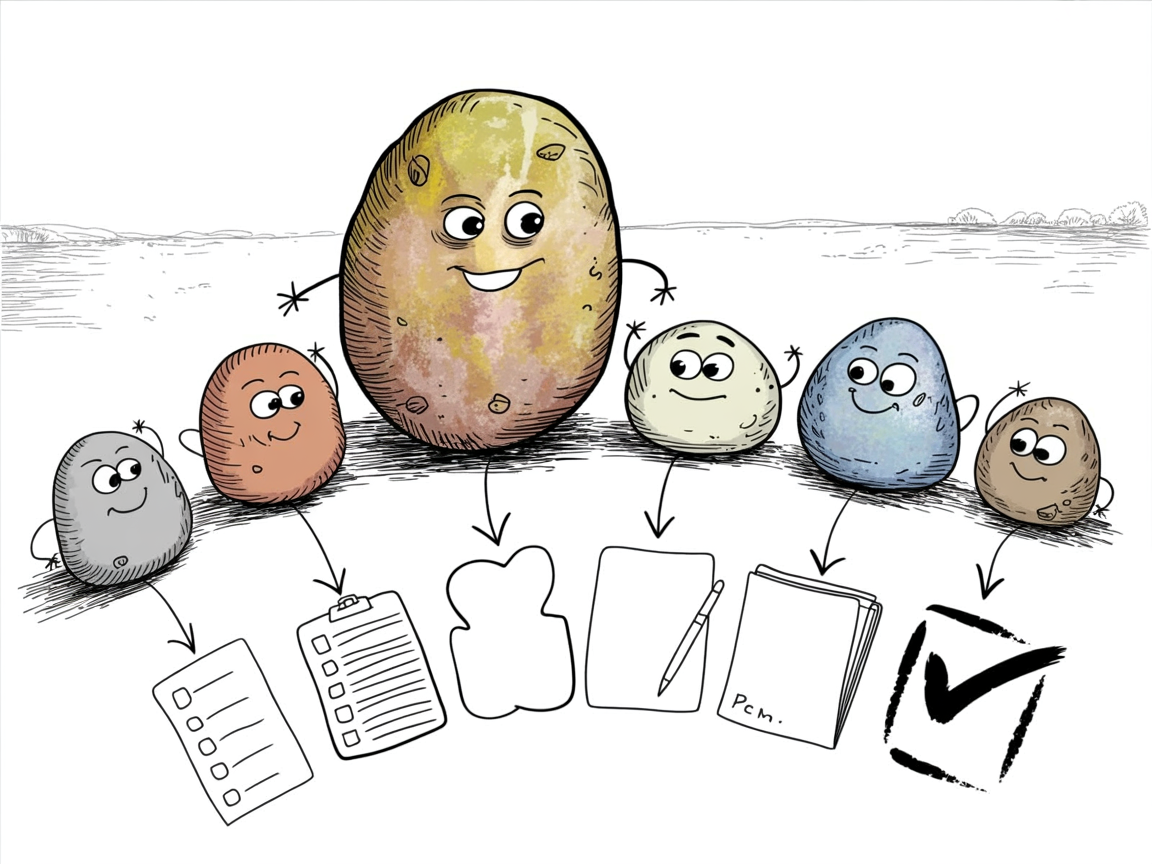
Before filing your letter of intent to homeschool in Florida, explore the different educational pathways available to your family.
What Is a Letter of Intent to Homeschool in Florida?
The Notice of Intent is your official notification to your county school district. It tells them you’re establishing a home education program. Here’s what matters: you’re not asking for permission. Simply inform the district of your legal right to homeschool under Florida Statute §1002.41. This distinction matters. It frames the entire relationship. You’re the educational decision-maker. The district’s role is administrative.
The notice itself is straightforward. You’ll include your name as the parent, your address, your child’s full name and birthdate, and the date you’re starting your program. According to HSLDA’s compliance guide, you must file within 30 days of beginning your homeschool. Once submitted, the district will send you a confirmation letter. Keep this letter. It’s your proof of compliance if anyone ever questions your homeschool status. The whole process takes about ten minutes. Then you’re officially recognized as a home educator in Florida.
When to File Your Florida Homeschool Letter of Intent
Timing matters, but the rules are simple. The notice of intent must be filed within 30 days of beginning your homeschool program. Your deadline depends on your situation. If you’re pulling your child out of public or private school mid-year, you’ve got 30 days from their last day of attendance. Starting kindergarten? You must file a notice for each child you will be homeschooling who will be six years old or older on February 1 of the school year. Florida’s compulsory attendance age kicks in at six, so file before that birthday arrives. Moving to Florida with school-age kids? File within 30 days of establishing residency. Here’s the best part: the notice of intent is filed just once when you start your program. Not annually. You don’t file again unless you stop homeschooling and later resume or move to a different county. One and done.
How to Complete Your Letter of Intent to Homeschool Florida (Step-by-Step)
Ready to file? The paperwork is simpler than you think. Most Florida counties accept a straightforward one-page letter. A few provide their own forms. Here’s exactly how to get it done right the first time:
Check your county’s requirements. Visit your school district’s website. Search for “homeschool notice of intent” or “home education.” Some districts provide a fillable PDF form. Others accept a simple letter format. Either works. Just follow what your county prefers.
Include all required information. Your notice must list the parent or guardian’s full name and address. Include each child’s full legal name and birthdate. Add the date you’re starting your homeschool program. According to Florida homeschool law, you must file within 30 days of beginning your program.
Submit with proof of delivery. Send your notice via certified mail with return receipt. Or hand-deliver it to the district office and ask for a date-stamped copy. This confirmation is your proof of compliance.
Keep everything. Store your confirmation letter in a safe place. You’ll need it if you ever move, switch programs, or face questions about your homeschool status. This single document protects your legal right to homeschool.
Follow these clear steps to complete your letter of intent to homeschool in Florida and get your homeschool year started right.
What Happens After You File Your Homeschooling in Florida Letter of Intent?
Once you’ve mailed or delivered your notice, the waiting game begins. But it’s a short one. Most districts send a confirmation letter within two to four weeks. This letter acknowledges they received your intent. It officially recognizes your homeschool program and withdraws your child from public school records. Keep this confirmation in a safe place. It’s proof you’ve complied with Florida law.
Now the real work starts, but don’t worry. It’s manageable. Maintain a portfolio of your child’s work as required. Include samples of writing, worksheets, projects, and a log of books read and activities completed. These portfolios must be kept for two years after completion. You don’t submit them unless the district requests a review, which rarely happens. Think of your portfolio as documentation for yourself first. It’s a record of progress that also satisfies the law.
Finally, mark your calendar for one year from your start date. That’s when your first annual evaluation is due. You’ll choose an evaluation method. Options include standardized test, portfolio review by a certified teacher, or another approved option. Submit proof to your district. Miss this deadline and you risk termination of your homeschool program. Set reminders well in advance.
Common Mistakes to Avoid With Your Florida Letter of Intent
Even straightforward paperwork can trip you up when you’re new to the process. Here are the most common pitfalls Florida homeschool families encounter and how to sidestep them:
Using the wrong county’s form or outdated templates. Each Florida county has its own school district. Some provide their own forms. Don’t download a generic template from a national website. Check your specific county’s homeschool page or use a simple signed letter that meets Florida statute requirements.
Missing the 30-day window. If you’re withdrawing your child from public school, you must file your notice within 30 days of starting homeschool. Mark your calendar the day you withdraw. Don’t let this deadline slip.
Confusing the notice with annual evaluations. Your letter of intent is a one-time filing when you start. It’s not the same as your yearly evaluation requirement, which comes later and involves portfolio reviews or testing.
Failing to keep proof of submission. Always get confirmation. Whether it’s a stamped copy, certified mail receipt, or email reply. You’ll want that paper trail if questions ever arise.
Your First-Year Homeschool Timeline in Florida
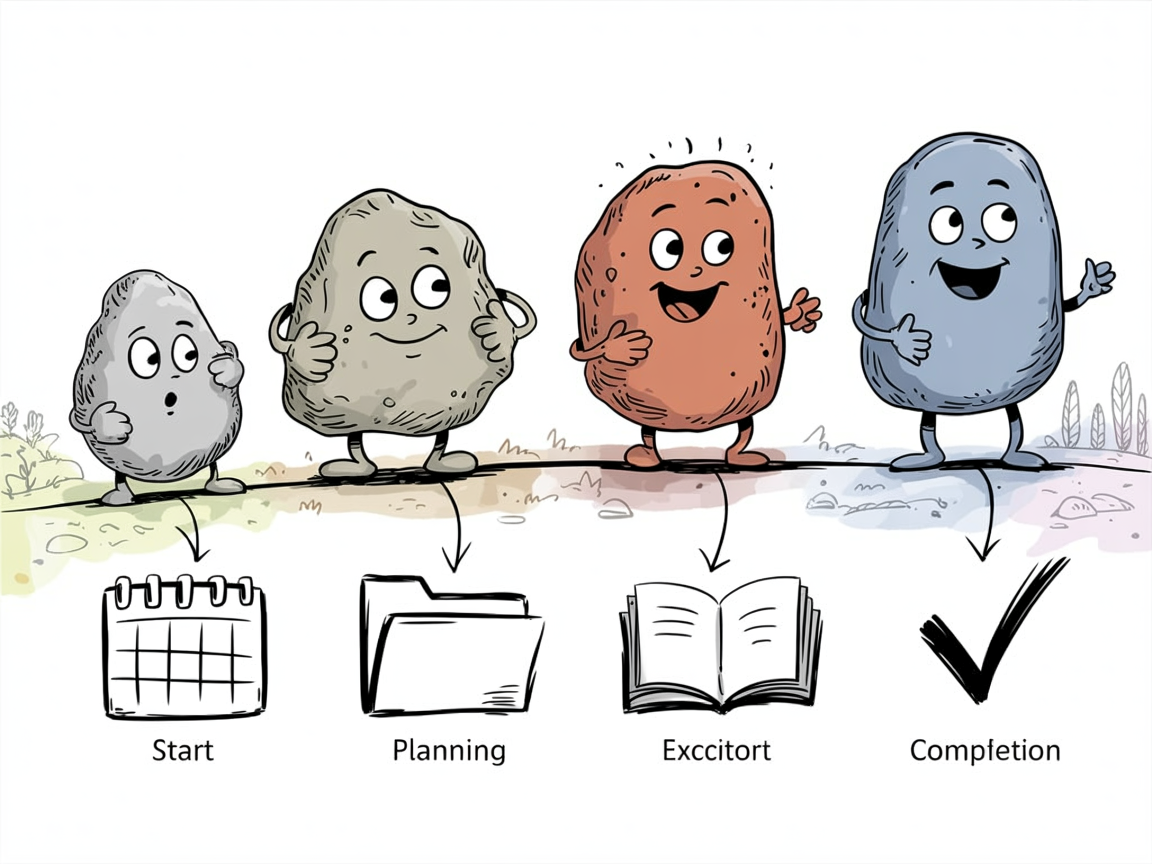
Knowing what to do and when can save you from last-minute scrambles and compliance worries. Florida’s homeschool law follows a simple annual rhythm. It becomes second nature after your first year. Here’s what your timeline looks like:
Month 1: File your Notice of Intent with your county school district. Set up a portfolio system. This can be as simple as a binder or folder for each child. Choose your curriculum and teaching approach. You must file within 30 days of starting your program, so don’t put this off.
Months 2-11: Teach your children and collect samples of their work in your portfolio. Keep a simple attendance log showing the days you homeschool. Save tests, writing samples, photos of projects. Anything that shows educational progress.
Month 12: Complete an annual evaluation using one of Florida’s approved methods. Options include standardized testing, portfolio review by a certified teacher, or another option. Submit the evaluation results to your district superintendent.
Ongoing: Keep portfolios for two years after completion. The district can request to review them with 15 days’ written notice. Most families never experience this.
Plan your first-year homeschool timeline in Florida with these key milestones and preparation phases.
Frequently Asked Questions
Do I need to renew my letter of intent to homeschool in Florida every year?
No. File the Notice of Intent once, when you begin homeschooling. That’s it. No need to file again each year unless you move to a new school district or your child re-enrolls in public school and later returns to homeschooling. What you do need to complete annually is an evaluation showing your child’s educational progress. But that’s a separate requirement from the initial notice. It doesn’t involve filing another letter of intent.
What if my school district rejects my letter of intent?
Here’s the thing: districts cannot legally reject a properly completed Notice of Intent. You’re informing them of your decision to homeschool, not requesting their permission. If you face pushback or someone tells you your notice isn’t acceptable, stand firm. Review Florida Statute 1002.41 to confirm you’ve met the requirements. If you continue to experience resistance, contact HSLDA or a Florida homeschool organization for support. They’ve helped countless families navigate district misunderstandings.
Can I homeschool in Florida without filing a letter of intent?
Not under the traditional homeschool statute. However, Florida offers alternative paths. Establish your own private school or join an umbrella school. Both have different notification requirements. Some families choose these options for specific reasons. Most find the Notice of Intent path simplest and most flexible. It gives you full control over curriculum and schedule without the administrative burden of running a private school.
How long does it take to get confirmation after filing?
Most districts send confirmation within two to four weeks. You’ll typically receive a letter acknowledging your notice and outlining your annual evaluation requirement. If you haven’t received anything after a month, follow up with your district’s homeschool office. Keep in mind: your certified mail receipt, if you mailed it, or email confirmation, if submitted electronically, serves as proof you filed on time. Even if the district’s response is delayed.
What happens if I miss the 30-day deadline?
File as soon as you realize the mistake. While Florida law specifies filing within 30 days of withdrawing your child or establishing your homeschool, districts typically accept late filings without penalty. Document the date you withdrew your child from school. File your notice immediately. Keep records of when you submitted it. This establishes your homeschool program officially. If you’re concerned about truancy issues, contact a Florida homeschool organization for guidance specific to your situation.
Filing your letter of intent to homeschool in Florida might have seemed intimidating at first. But it’s really just a straightforward administrative step, not a barrier between you and your homeschool journey. The key is knowing which homeschool option fits your family best, filing with your specific county on time, and keeping solid proof you submitted everything. Once that letter is in, you’re officially a homeschool family in the eyes of Florida law. Focus on what really matters: creating a learning environment where your kids thrive.
Your next step is simple. Visit your county school district website today to download their Notice of Intent form. If they don’t provide one, draft your own letter using the required elements from Florida Statute 1002.41. It’s the same information either way. Set aside ten minutes, fill it out, and send it off. You’ve got this. You’re joining thousands of Florida families who’ve walked this same path. Welcome to homeschooling.
Curated resources and expert insights from the Eaton team to support your homeschool journey. Our content is researched and crafted to help families thrive.