Florida Homeschool Portfolio Samples: Real Examples That Actually Work
The Eaton Team
•August 19, 2026•
11 min read
You know you need to keep a homeschool portfolio in Florida. But every sample you find online looks too hard or nothing like your real homeschool day. What if your portfolio doesn’t look “right”? Here’s the truth: florida homeschool portfolio samples come in all shapes and sizes. Yours doesn’t need to be perfect to pass evaluation. According to Florida’s homeschool statute, your portfolio must have a log of activities, a list of reading materials, and samples of your child’s work. But the law doesn’t say what those samples should look like. You can keep everything in a three-ring binder, a digital folder, or a scrapbook. What matters is that you’re documenting your child’s learning.
In this guide, you’ll see real examples of what other Florida homeschool families submit. You’ll learn what evaluators look for. And you’ll discover how to build a portfolio that fits your family while meeting Florida’s legal requirements.
What Does Florida Law Actually Require in Your Homeschool Portfolio?
Here’s good news: Florida’s homeschool law tells you what to include, but not how it should look. According to Florida’s portfolio requirements, you need three things. First, a log of activities made at the same time as instruction. Second, a list of reading materials used. Third, samples of your child’s work—writings, worksheets, workbooks, and creative materials. That’s it. No one’s checking whether you used a fancy binder or color-coded tabs.
The law focuses on one thing: proof that your child is learning. When you submit your portfolio for annual evaluation, a certified teacher will review it. You can choose testing instead. They’re looking for proof of instruction in each subject, not professional presentation. Your evaluator wants to see that you taught math, that your child practiced it, and that they made progress. A stack of completed workbook pages shows that just as well as a fancy portfolio.
One practical detail: you must keep your portfolio for two years after completion. Choose a storage method you can actually maintain.
What Do Florida Homeschool Portfolio Samples Actually Look Like?
If you’re picturing fancy scrapbooks or professionally bound documents, you can relax. Real florida homeschool portfolio samples look as different as the families who create them. Some parents use simple three-ring binders with subject dividers. Others keep everything in photo albums or digital folders on their computers. What matters isn’t how fancy your portfolio looks. It’s whether it contains what Florida law requires.
Most families organize their portfolios in one of two ways: by subject or by date. You might have a math section with worksheets and test pages. Then a language arts section with writing samples and book lists. Or you could arrange everything by month, showing what you did each week. Both work fine.
Your portfolio might include math worksheets, creative writing samples, photos of science experiments, field trip brochures, art projects, and reading logs. Some families add standardized test results or evaluator comments from previous years.
Here’s what experienced homeschoolers know: the best portfolio is the one you’ll actually keep up with all year. If you love organizing, a detailed binder system might work great. If you’re more laid-back, snapping photos of completed work and dropping them in a folder might be your speed. Since portfolios must be kept for two years, pick a method that feels doable, not stressful.
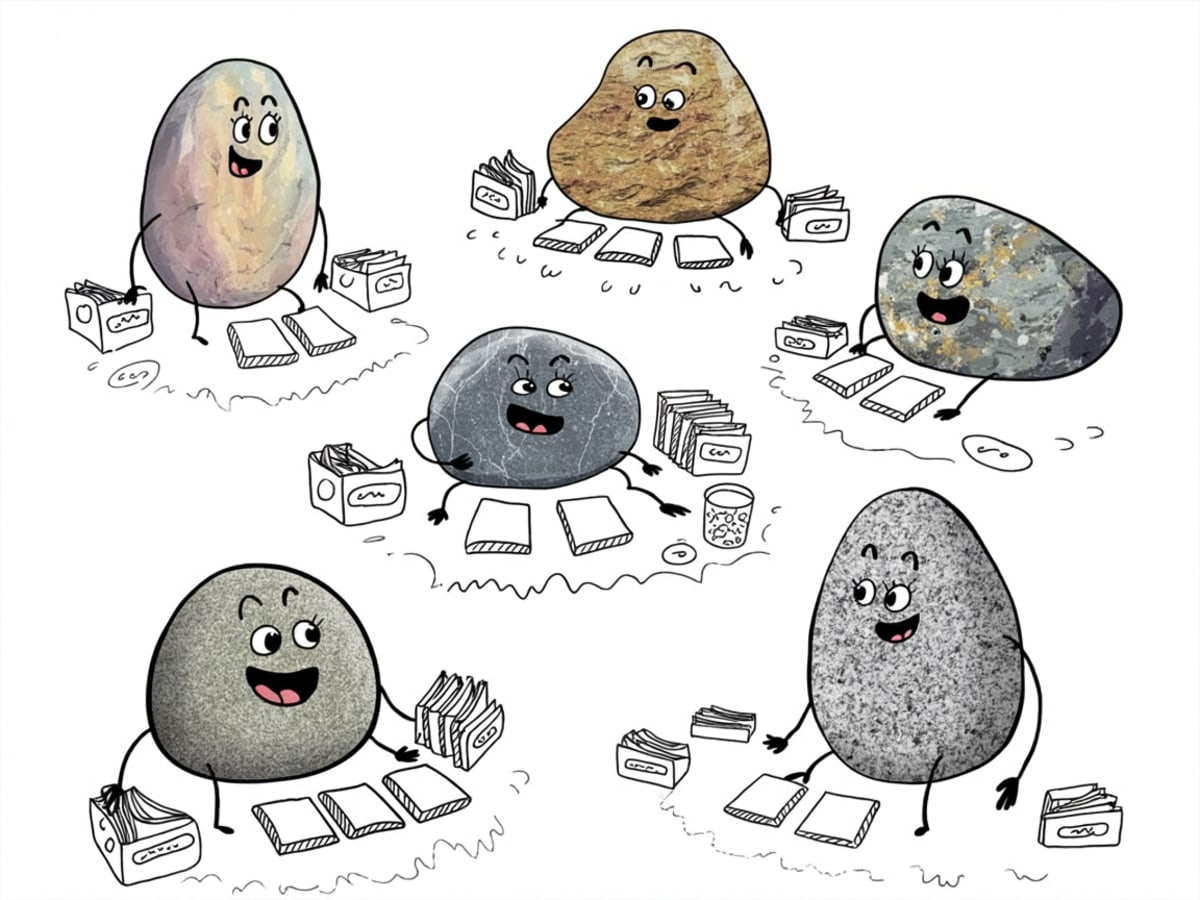
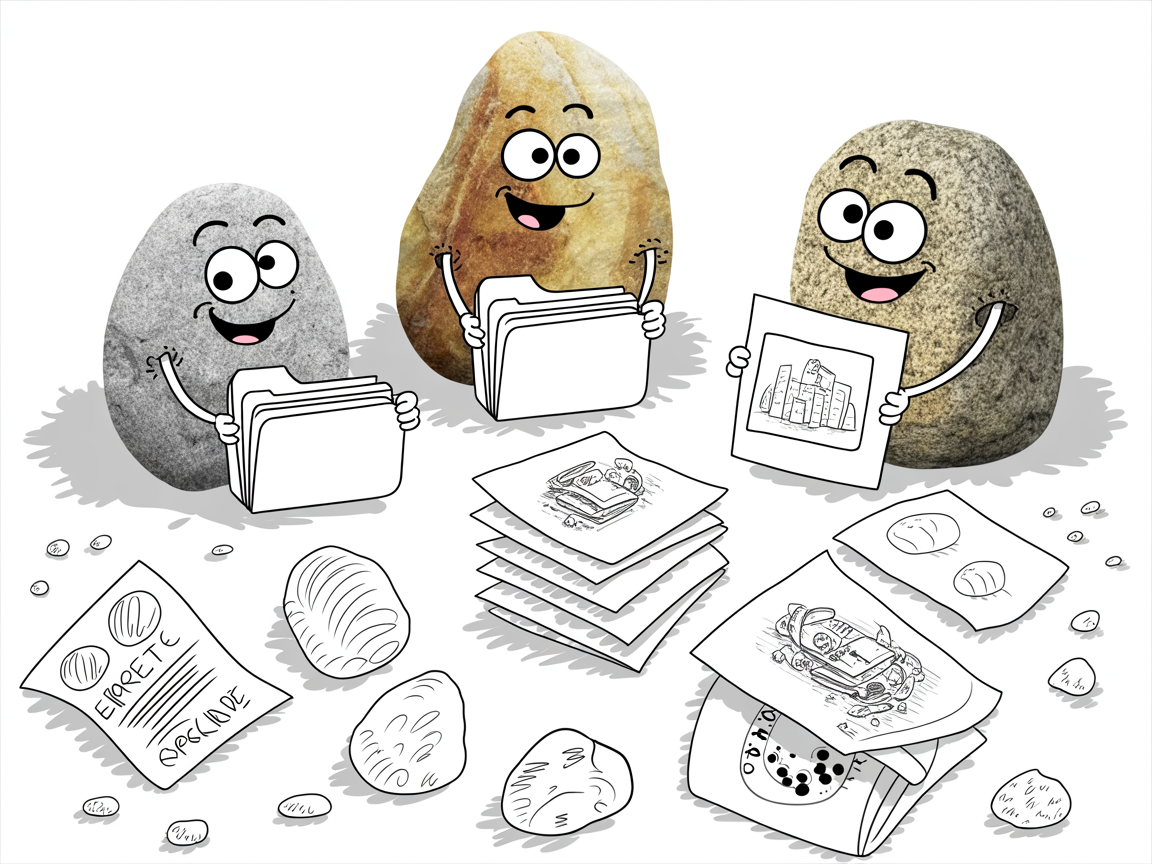
Florida homeschool portfolio samples come in many forms – these stone character examples show common organizational styles.
The Two Essential Parts Every Florida Homeschool Evaluator Needs to See
When your florida homeschool evaluator opens your portfolio, they’re looking for two main things. First, they need a log of educational activities. This is proof that you covered the required subjects throughout the year. This can be as simple as a calendar with checkmarks. Or a spreadsheet listing what you did each day. Or brief daily notes in a planner. According to Florida’s portfolio requirements, this log should be made “contemporaneously with instruction.” That just means you write it down as you go, not all at once in June.
Second, they need work samples showing your child’s progress in each subject. Here’s what trips up many parents: these don’t need to be your child’s best work. They need to show growth over time. A September math page with some mistakes and a May math page with fewer mistakes? That’s perfect. Your evaluator isn’t grading your child. They’re confirming that learning happened. A few samples per subject, spread across the year, tells that story clearly.
Sample Portfolio Organization Methods That Work for Different Homeschool Styles
There’s no single “right” way to organize your portfolio. The method that works best is the one you’ll actually maintain throughout the year. Here are four proven approaches Florida families use:
Traditional binder method: Use a three-ring binder with subject dividers (math, language arts, science, social studies). File work samples by date within each section. This makes it easy for evaluators to see progress in each subject area.
Project-based organization: Create sections for each unit study or project you complete. Label samples with subject tags so evaluators can see how your study of Ancient Egypt covered reading, writing, history, and art all at once.
Digital portfolio: Scan worksheets and take photos of hands-on projects. Organize files in folders by subject or month. Print a summary page for your evaluator or share access to your digital folder. Remember that florida homeschool portfolio samples must be kept for two years, so keep reliable backups.
Hybrid approach: Keep a physical binder for paper-based work while maintaining a photo album or digital folder for field trips, science experiments, and art projects that don’t fit in a binder.
Choose the system that matches how your family actually learns, not what looks most impressive.
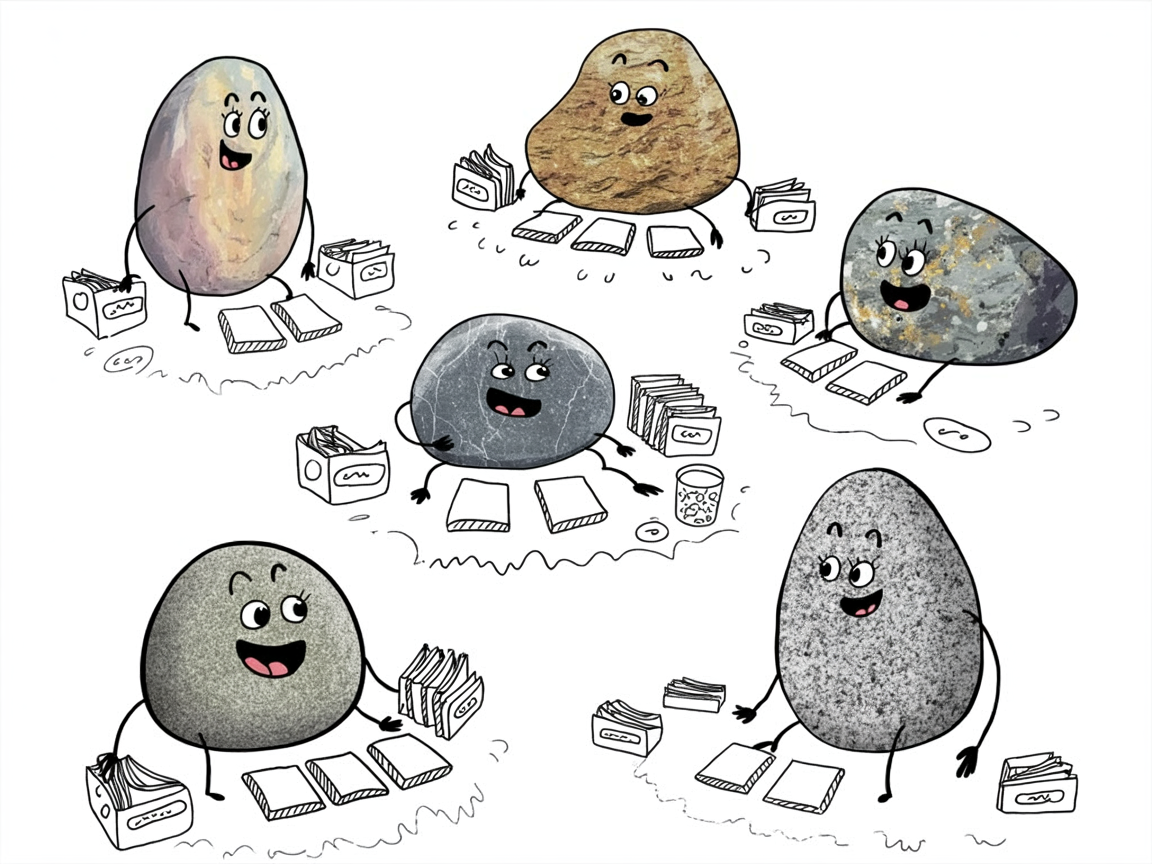
Sample portfolio organization methods vary by family – these stone character examples demonstrate flexible approaches for different homeschool styles.
What to Include (and Skip) When Homeschooling in the State of Florida
You don’t need to save every scrap of paper your child touches. According to Florida’s portfolio requirements, you need a log of educational activities, a reading list, and work samples. But the law doesn’t say how many samples or what kind. Focus on showing progress across the core subjects without turning portfolio prep into a second full-time job.
Include:
Samples from math, language arts, science, and social studies that show your child’s growth over the year
An attendance log (you need to document instruction, not create elaborate lesson plans)
Photos of hands-on projects, science experiments, field trips, and activities that don’t produce paper
Reading logs, book reports, or simple snapshots of your child with their current book
Skip:
Every worksheet and daily assignment—evaluators want representative samples, not everything
Only perfect papers—progress matters more than perfection
Fancy scrapbooking or elaborate presentations—simple and organized beats pretty every time
Detailed lesson plans—Florida doesn’t require them
How Florida Homeschool Evaluators Actually Review Your Portfolio
Here’s what actually happens when a florida homeschool evaluator sits down with your portfolio: they’re looking for proof that you taught your child and that your child made reasonable progress. That’s it. Most evaluations take 30 to 60 minutes. They feel more like a friendly conversation about your homeschool year than a formal inspection. The evaluator will flip through your work samples. They’ll check that you’ve covered the required subjects. They’ll ask questions about what you did together. They’re not counting how many math worksheets you saved or judging your handwriting in the attendance log.
According to Florida’s homeschool law, students must be evaluated annually. The evaluator needs to see that your child is making progress appropriate to their ability. Notice that word: appropriate. Your struggling reader doesn’t need to perform at grade level to pass evaluation. Your advanced math student doesn’t need a perfect portfolio. The evaluator is looking to approve you, not find reasons to fail you. This is a supportive process designed to confirm you’re doing what you said you’d do—educate your child at home.
Building Your Portfolio Throughout the Year (Not in a Panic in May)
The best florida homeschool portfolio samples aren’t created in a frantic week before evaluation. They’re built gradually as you go. When you set up a simple system in August and add to it regularly, you’ll avoid the end-of-year scramble that leaves so many homeschool parents stressed. According to Florida’s homeschool statute, your portfolio must be kept for two years after completion. So building good habits now saves you headaches later.
Here’s how to make portfolio-keeping painless:
Choose your system early. Pick a three-ring binder, a file box, or a digital folder in August. Don’t wait until you have the “perfect” setup—just start.
Add work weekly or monthly. Toss in a few samples from each subject every week. You don’t need everything, just enough to show progress.
Snap photos right away. When your child builds a volcano or visits a museum, take the photo that day. You won’t remember it in May.
Keep a simple log. Jot down 2-3 words per subject per day: “math worksheets,” “read chapter 4,” “nature walk.” That’s enough.
Do quarterly check-ins. Every three months, flip through your portfolio. Missing science samples? Grab a few next week.
Frequently Asked Questions
How many work samples does a Florida homeschool portfolio need?
Florida law doesn’t specify a number, which gives you flexibility. Most families include 3-5 samples per subject that show progress across the year. You don’t need a sample from every single day or even every week. What evaluators want to see is growth over time. A math worksheet from September, a project from January, and a test from May tells a better story than twenty similar worksheets from the same month. Quality matters more than quantity. Choose samples that show what your child has learned and how they’ve improved.
Can I use a digital portfolio for my Florida homeschool evaluation?
Yes, many florida homeschool evaluators accept digital portfolios. Some families use Google Drive, Dropbox, or specialized portfolio apps. The key is checking with your evaluator beforehand about their preferred format. Some evaluators are happy with shared folders they can access online. Others prefer printed copies or PDFs they can download. Don’t wait until evaluation day to find out. Ask when you schedule your appointment so you’re preparing your portfolio the way your evaluator needs to see it.
What if my child does mostly hands-on learning without worksheets?
Photos and parent documentation work perfectly for hands-on learners. Take pictures of science experiments, building projects, cooking activities, nature walks, and art creations. Write brief descriptions of what your child learned. Just a few sentences explaining the activity and the educational value. According to Florida statute 1002.41, work samples can include “writings, worksheets, workbooks, or creative materials.” Notice that list isn’t limited to traditional paperwork. Your portfolio can absolutely reflect your child’s actual learning style.
Do I need to save my Florida homeschool portfolio after evaluation?
Florida law requires you to preserve the portfolio for two years after your evaluation. Once your evaluator signs your annual assessment, store the portfolio somewhere safe but accessible. You don’t need to keep adding to it or maintaining it—it’s done. After two years pass, you’re free to dispose of it however you want. Many families keep portfolios longer for sentimental reasons or to show younger siblings. But legally, two years is the requirement.
Your Florida homeschool portfolio doesn’t need to look like anyone else’s. It just needs to show that your child learned and you kept records. The families who succeed at portfolio evaluations aren’t the ones with the fanciest binders or the most elaborate scrapbooks. They’re the ones who documented consistently throughout the year, even when life got messy.
Start with a simple organizational system you’ll actually use. A three-ring binder with dividers could work well. A folder on your phone where you snap photos of your child’s work might be your style. A file box where you toss things as you go could be the answer. Whatever works for your family is the right system.
This week, set up your basic portfolio structure. Grab a binder or create a folder. Label it with your child’s name and the school year. Take one photo of something they’re working on right now. You’ve started. From here, you’re just adding to what you’ve already begun. You don’t need to catch up on months of missing documentation. You don’t need to create something that looks like a professional teacher’s portfolio. You need to show your child’s learning journey. And that starts with one simple step today.
Curated resources and expert insights from the Eaton team to support your homeschool journey. Our content is researched and crafted to help families thrive.