Homeschool Physical Education: A Simple System That Actually Works
The Eaton Team
•March 10, 2026•
13 min read
You know your kids need physical activity. But planning PE lessons on top of everything else feels hard. This is especially true when you’re not sure what counts or how to make it official. The good news? Homeschool physical education doesn’t require a gym teacher certification or fancy equipment. You just need a clear plan and the confidence to count what your family already does. Whether your state requires documented PE hours or you simply want your children to develop healthy habits, you can create a meaningful program. It will fit your family’s schedule, interests, and abilities. This guide will show you exactly what qualifies as PE. You’ll learn how to meet your state’s requirements. And you’ll find practical ways to add movement into your homeschool routine without adding stress to your day.
What Counts as Homeschool Physical Education?
Here’s the relief you need: most states don’t require formal gym classes. They ask for regular physical activity. That’s something your family probably already does. You don’t need lesson plans that look like school. You need movement that builds strength, coordination, and healthy habits.
Almost any active pursuit counts toward PE requirements:
Daily play and outdoor time: Bike rides, playground visits, hiking, swimming, and backyard games all develop motor skills and heart health.
Organized activities: Soccer leagues, gymnastics, dance classes, martial arts, and swim lessons provide structured skill development. They often come with built-in documentation.
Home-based movement: Jump rope, yoga videos, trampoline time, obstacle courses, and family walks around the neighborhood.
Seasonal activities: Ice skating, sledding, kayaking, rock climbing. Anything that gets bodies moving counts.
The goal isn’t to copy what happens in a school gym. It’s to help your children develop physical skills. You want them to discover activities they enjoy. And you want to build habits that last beyond childhood. If your kids are moving regularly and trying new skills, you’re doing homeschool physical education right.
How Much PE Do Homeschoolers Need?
Most states require 30-60 minutes of physical activity several times per week. But the specifics vary widely depending on where you live. Some states spell out exact requirements. They might say “150 minutes per week” or “daily physical education.” Others simply expect you to include PE as part of a well-rounded education. Your first step is checking your state’s homeschool law. You can also contact your local homeschool group to understand what’s actually required.
Elementary students typically need less formal structure than older kids. A first grader running around the backyard counts just as much as a planned lesson. Middle and high schoolers benefit from more intentional activities. These should build skills and endurance. But you still have flexibility in how you arrange it. Daily movement is ideal for building habits. But weekly totals matter more than hitting a perfect schedule every single day. If your family does an hour-long hike on Monday and 20 minutes of active play on Wednesday and Friday, you’re meeting most state requirements. You don’t have to stress over daily checkboxes.
Easy Homeschool Physical Education Ideas for Every Age
You don’t need a structured curriculum or expensive equipment. Your kids can still get quality homeschool physical education. The best PE activities are ones your children actually enjoy. They’ll stick with them long after the lesson ends. Here are age-appropriate ideas that work in real homeschool life, from toddlers to teens.
Elementary years (ages 5-10)
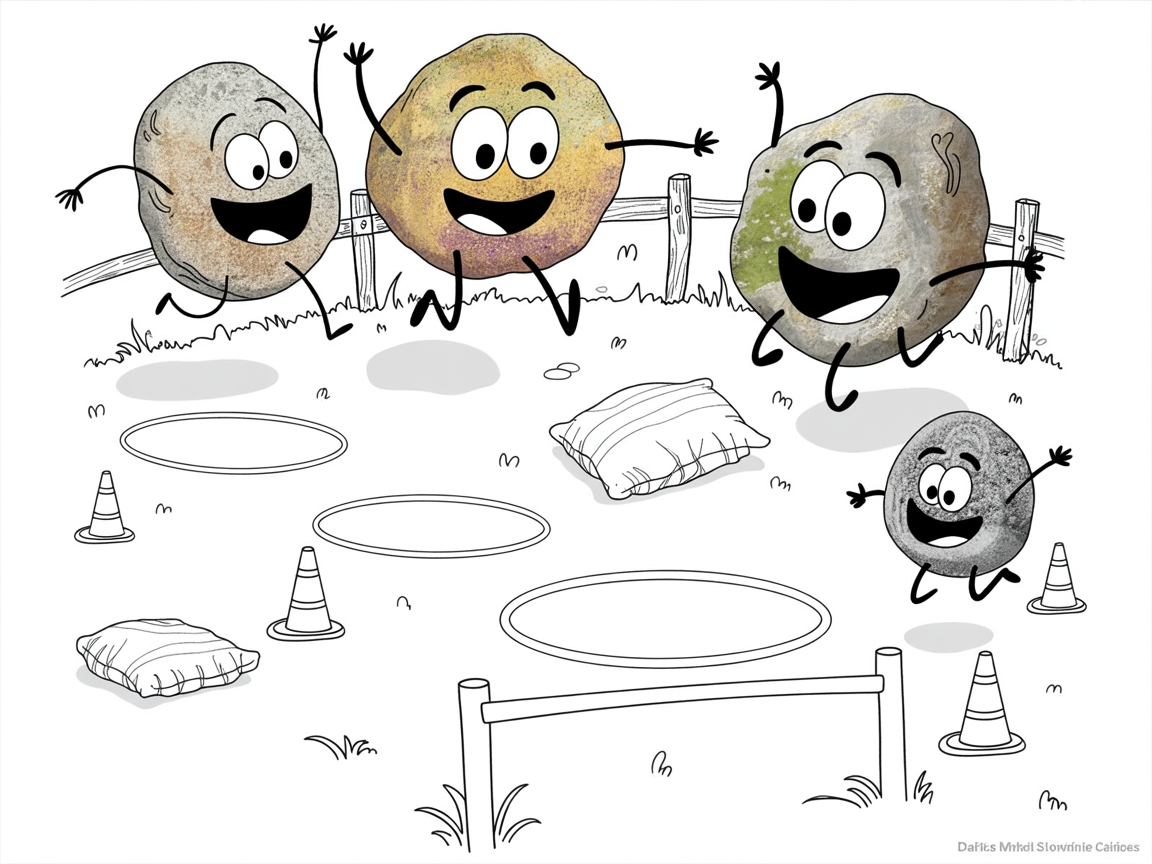
Focus on active play and building basic movement skills. Set up backyard obstacle courses using household items. Take nature walks where kids collect leaves or count birds. Play classic games like tag, red light green light, and jump rope. Simon Says teaches body awareness while feeling like pure fun. Don’t overthink it. Thirty minutes of running around the yard counts as PE.
Middle school (ages 11-13)
This age group can handle more structure but still needs variety. Try family bike rides around the neighborhood. Teach basic skills for sports they’re curious about. Or follow age-appropriate YouTube workout channels together. Skating, whether roller or ice, combines skill-building with serious heart exercise. Let them choose activities they genuinely want to try.
High school (ages 14-18)
Teens can begin strength training with bodyweight exercises or light weights. They can follow couch-to-5K running programs. They can join community sports leagues. Or they can challenge themselves with fitness goals they set. This is also when many homeschoolers take lifeguard certification courses or coaching clinics. These count as both PE and career exploration.
Multi-age activities everyone can do together
Family hikes work for almost any age. Just adjust the distance and difficulty. Swimming lets each person work at their own level. Yard games like badminton, cornhole, or frisbee keep everyone moving without competition pressure. And yes, living room dance parties count. Put on music and move for twenty minutes. Your kids won’t realize they’re doing PE. That’s exactly the point.
Creating Your Simple PE Schedule
You don’t need a complex system. You just need a realistic plan that matches how your family actually lives. Start by looking at your week. Find when movement naturally fits. Morning might mean outdoor play before it gets too hot. Afternoons could include activity breaks between subjects. Evenings might work best for family walks or bike rides. The key is choosing times you’ll actually stick with. Don’t pick times that just look good on paper.
A balanced week includes both structure and freedom:
Structured activities: scheduled lessons, team practices, or planned skill-building sessions
Free play: unstructured outdoor time where kids choose their own activities
Family movement: walks, hikes, or active games you do together
Track your activities with whatever method you’ll actually use. A simple calendar with daily notes works for many families. Others prefer a basic checklist or a quick log. Just write the date, activity, and minutes. Don’t overcomplicate it. You just need enough documentation to show consistent physical activity. And always build in flexibility. Rain happens. Kids get sick. Some weeks won’t go as planned. That’s perfectly normal.
No-Cost and Low-Cost PE Options
You don’t need expensive gym memberships or specialized equipment. Your kids can still get quality homeschool physical education. Many of the best PE activities cost nothing or just a few dollars. They’re often more engaging than traditional gym class anyway.
Free community resources: Your local parks, playgrounds, and nature trails provide endless movement opportunities. Check if your library offers free passes to rec centers, pools, or trampoline parks. YouTube channels like Cosmic Kids Yoga and PE with Mr. G offer structured lessons you can follow at home.
Basic equipment under $30: Jump ropes, playground balls, frisbees, and resistance bands cover dozens of activities. Check Facebook Marketplace or thrift stores for used bikes, scooters, and sports gear. Families often sell these as kids outgrow them.
Community programs: Many YMCAs and rec centers offer income-based scholarships. Homeschool PE co-ops let families share teaching duties and costs. Some churches and community centers provide free gym time for homeschool groups.
DIY home setups: Create backyard obstacle courses with household items. Clear basement space for indoor activities on rainy days. Chalk turns your driveway into a game board for hopscotch, four square, or fitness circuits.
How to Document Homeschool PE for Your Records
You don’t need a complex tracking system. Just keep enough documentation to show you’re meeting requirements and helping your kids grow. Most states accept simple records that prove your children are getting regular physical activity. Here’s what to keep:
Activity log: Write down dates, what they did, and how long. A notebook or simple spreadsheet works fine. “Soccer practice, 90 minutes” is enough detail.
Receipts and certificates: Save registration confirmations from sports teams, dance classes, or swim lessons. These prove participation without extra work on your part.
Photos: Snap occasional pictures of your kids being active. They’re helpful for portfolio reviews and make great memories too.
Progress notes: Jot down improvements in your regular homeschool records. “Can now do 10 push-ups” or “learned to dribble with left hand” shows skill development over time.
Keep everything in one folder. It can be digital or physical. That way you’re ready if your state requires documentation.
When Kids Resist Physical Activity
Not every child loves running laps or playing team sports. That’s completely normal. When your kids resist traditional PE activities, the solution isn’t to push harder. Instead, shift your focus to discovering what actually gets them moving. Physical education works best when children enjoy what they’re doing. They’ll stick with it long after the lesson ends.
Try different activity types until something clicks. Your child might hate basketball but love rock climbing, dance videos, or nature hikes. Keep experimenting.
Break movement into smaller chunks. Three 10-minute activity sessions throughout the day count just as much as one 30-minute block. They often work better for reluctant movers.
Add a social element. Invite friends over for active games. Join a homeschool sports co-op. Or simply do the activity together as a family. Kids often participate more willingly when it feels like connection time.
Count non-traditional activities. Gardening, walking the dog, helping with yard work, and even active video games (in moderation) all build physical skills and burn energy.
The goal is consistent movement, not perfect form or competitive performance.
Frequently Asked Questions
Do I need to teach traditional gym class sports?
No, you don’t need to run volleyball or basketball units in your backyard. Any regular physical activity that builds fitness and develops motor skills counts as PE. Your kids can swim laps at the community pool. They can hike local trails. They can take dance classes or play tag in the yard. The goal is consistent movement that challenges their bodies and builds coordination. You’re not trying to copy a school gym. If your children hate team sports, focus on activities they actually enjoy. A child who loves nature walks is getting just as much physical education as one shooting hoops.
Can PE classes count for high school credit?
Yes, most states allow PE credit for consistent physical activity during high school. You’ll need to track hours and activities throughout the year. Many families aim for 120 to 150 hours total per credit. That’s roughly 3-4 hours per week over a 36-week school year. Keep a simple log with dates, activities, and time spent. Your teen’s dance classes, martial arts training, or regular running routine all count toward this requirement. Check your state’s specific guidelines. But you typically don’t need formal instruction or testing to award the credit.
What if we live in an apartment with no yard?
You have more options than you think. Use nearby parks, walking trails, or community centers for outdoor time. Many families do YouTube workout videos in their living rooms. They walk laps at the mall before stores open. Or they climb apartment stairwells for cardio. Community recreation departments often offer affordable programs with childcare included. Some families join budget gyms like Planet Fitness or the YMCA specifically for rainy-day PE. You can also add movement into daily life. Walk to the library instead of driving. Do jumping jacks during study breaks. Or dance while cleaning the kitchen.
Should I use a PE curriculum?
Only if you want the structure and lesson plans already done for you. Most homeschool families do fine with a simple activity schedule. They never buy a formal PE curriculum. But if you feel overwhelmed planning activities or want guided instruction with skill progressions, a curriculum can be helpful. They’re particularly useful if you’re documenting PE for high school transcripts and want professional-looking records. The key question: will a curriculum actually get used? Or will it sit on the shelf while your kids ride bikes? Choose what fits your teaching style and your children’s needs.
You don’t need a whistle, a lesson plan template, or a perfectly organized sports schedule. Your kids can still get quality homeschool physical education. You just need to commit to regular movement. And you need to keep simple records of what you’re already doing. Start by looking up your state’s specific requirements. Some states need documented hours. Others want a general description. And a few don’t mention PE at all. Then build a realistic weekly routine around activities your children actually enjoy. This might be nature walks, dance videos, backyard games, or community sports. Remember that active play counts. The neighbor kids playing tag in your yard? That’s heart exercise and social development. The Saturday hike where everyone complained? Still counts as PE. Keep a basic log with dates and activities. Take a few photos throughout the year. And trust that you’re doing enough.
Homeschool PE isn’t about copying a school gym experience. It’s about helping your kids develop a lifelong habit of moving their bodies in ways that feel good to them.
Curated resources and expert insights from the Eaton team to support your homeschool journey. Our content is researched and crafted to help families thrive.