Brain Based Learning: Simple Strategies That Work With Your Child’s Natural Learning Style
The Eaton Team
•June 2, 2026•
11 min read
You’ve seen your child struggle to remember what they studied yesterday. They zone out during lessons. They resist learning. You wonder if there’s a better way to teach that works with how their brain learns. The good news? There is. Brain based learning uses what brain science tells us about memory, attention, and motivation. It makes teaching more effective and less frustrating for everyone.
This approach isn’t about buying fancy programs or changing your whole homeschool. It’s about learning a few key ideas about how the brain works. Then you make small changes to your teaching that match those ideas. According to research on neuroplasticity, during the first two and a half decades of life, the human brain is a construction site, and learning processes direct its shaping through experience. That means the way you teach today shapes your child’s growing brain.
In this guide, you’ll learn practical tips you can start using tomorrow. No advanced degree required.
What Is Brain Based Learning?
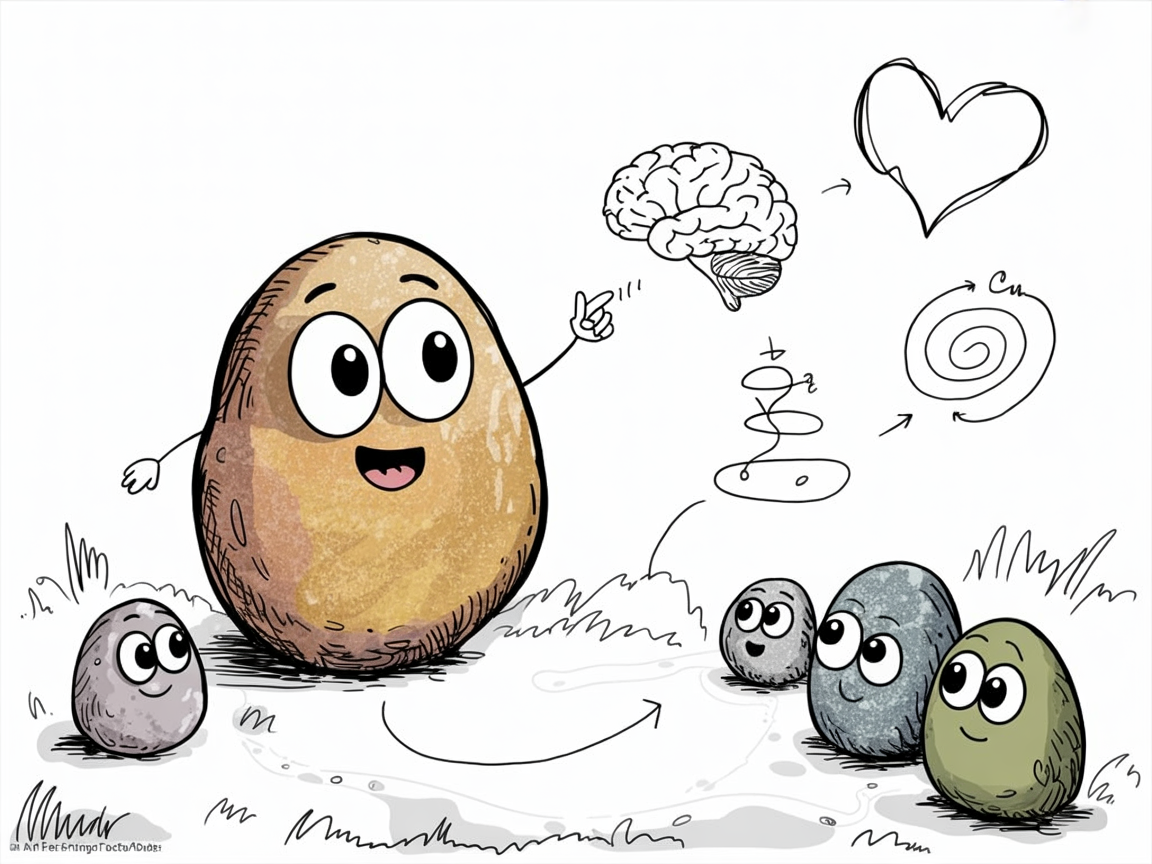
Brain based learning means teaching in ways that match how your child’s brain works. Instead of forcing memory through repetition alone, you create conditions where the brain wants to learn. Where it wants to keep what it’s studying.
This approach draws on brain science research about memory, attention, and emotion. According to research on brain development, during the first two and a half decades of life, the human brain is a construction site, and learning processes direct its shaping through experience. That means your teaching methods today shape how your child’s brain grows.
Here’s what brain based learning is not. It’s not a curriculum you buy. It’s not a program you follow. It’s a set of ideas you can apply to any subject you’re already teaching. Math, history, or reading. You might teach the same content. But you’ll present it in ways that work with your child’s brain instead of against it.
The goal is simple. Help your child’s brain do what it does best. When you understand how attention works, how memories form, and why emotions matter for learning, you can make small changes. Those changes lead to big improvements in memory and understanding.
Understanding brain based learning begins with recognizing how our minds naturally process and retain information.
Why Traditional Learning Methods Often Fail
Think about the last time you sat through a long lecture. How much do you remember? Your child’s brain works the same way. And traditional teaching methods often work against how the brain learns.
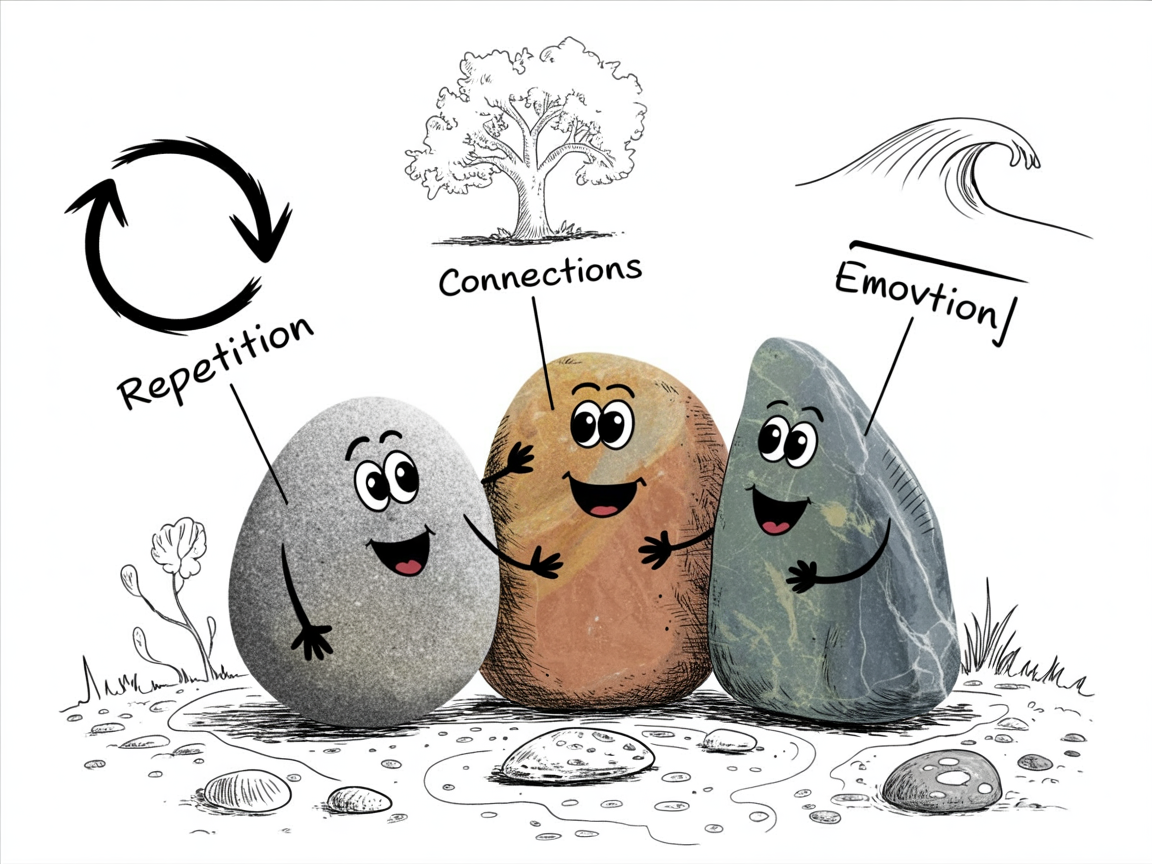
The brain doesn’t store information like a filing cabinet. Facts don’t get neatly filed away. Instead, it needs emotion and personal connection to make memories stick. When your child just listens passively, only a small part of their brain lights up. But when they’re actively engaged — building something, solving a problem, teaching someone else — multiple brain regions work together. They create stronger neural pathways.
Here’s what gets in the way of real learning:
Stress shuts down learning. When your child feels anxious or overwhelmed, their brain shifts into survival mode. The prefrontal cortex — where critical thinking and memory formation happen — goes offline.
Working memory has limits. According to research on brain-based learning, most learners can hold about six to eight items in their working memory. Cramming too much information at once overwhelms this system.
Every brain develops differently. One-size-fits-all pacing ignores the fact that children’s brains mature at different rates. What works for one child might frustrate another.
The solution isn’t to teach less. It’s to teach differently.
Core Brain Based Learning Principles for Your Homeschool
Brain based learning isn’t complicated once you understand a few core ideas. These aren’t abstract theories. They’re practical insights about how your child’s brain processes and stores information. When you align your teaching with these ideas, you’ll see better memory, more engagement, and less resistance.
Emotion strengthens memory. Your child will remember what matters to them emotionally. Connect lessons to their interests. Celebrate their progress. Make learning feel personally relevant. According to research on brain-based strategies, implementing these approaches in math education led to significant improvement in students’ intrinsic motivation to learn.
Movement boosts brain function. The brain isn’t designed to sit still for hours. Short movement breaks, hands-on activities, and even fidget tools can improve focus and information processing.
The brain craves patterns and connections. Isolated facts don’t stick. Your child’s brain wants to see how new information connects to what they already know. Research shows that most learners can hold about six to eight items in working memory. But they can recall over 200 digits when information is grouped into meaningful patterns.
Stress blocks learning pathways. When your child feels threatened or anxious, their brain shifts into survival mode. It can’t process new information well. A safe, encouraging environment isn’t just nice. It’s necessary for learning.
Core brain based learning principles work together to create a strong foundation for homeschool success.
How Does Brain Based Learning Work in Practice?
Brain based learning isn’t a single method. It’s a set of teaching strategies that work with your child’s natural learning processes instead of against them. The goal is to create conditions where their brain can absorb and keep information. Here’s what that looks like in your homeschool day:
Use multi-sensory approaches. Combine visual, auditory, and hands-on learning whenever possible. If you’re teaching fractions, don’t just show the numbers on paper. Have your child cut an apple into pieces. Draw fraction bars. Say the fractions out loud. The more senses involved, the stronger the memory.
Build in movement breaks every 20-30 minutes. Your child’s brain needs regular resets to maintain focus. A quick walk around the yard. Jumping jacks. Stretching between subjects. This helps restore attention and improves learning.
Connect new information to what they already know and care about. According to research on brain development, visiting the same topic at structured, spaced intervals improved retention and understanding. Link history lessons to books they love. Math problems to their favorite hobbies.
Create a low-stress environment where mistakes are learning tools. When your child feels safe to try and fail, their brain stays in learning mode. It doesn’t shut down in fear. Celebrate effort and problem-solving, not just correct answers.
Age-Specific Brain Based Learning Strategies
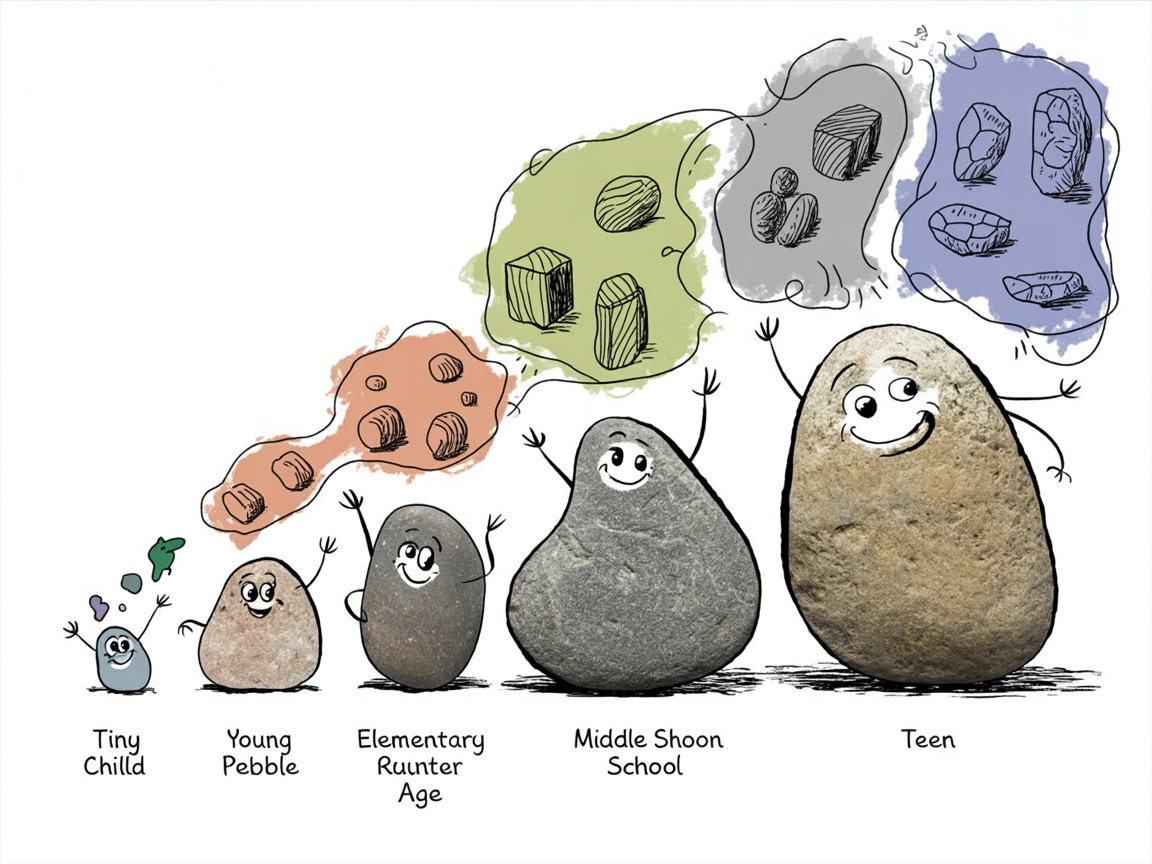
Your eight-year-old’s brain works differently than your teenager’s. That’s not just about maturity. The growing brain has different needs and strengths at each stage. Here’s how to match your teaching to where your child’s brain is right now.
Elementary ages (5-10): Young brains learn best through movement and stories. Use hands-on activities whenever possible. Building models. Acting out history. Measuring ingredients. Turn lessons into games. Let them wiggle, stand, or bounce on an exercise ball while working. Their attention spans are short. Switch activities every 15-20 minutes.
Middle school ages (11-13): The social brain kicks into high gear during these years. Let them work with siblings or co-op friends when possible. Connect lessons to real-world problems they care about. Give choices in how they complete projects. Written report, video presentation, or hands-on demonstration. This age craves autonomy even while needing structure.
High school ages (14-18): Older teens benefit from teaching others, debating ideas, and diving deep into topics that interest them. Encourage independent research projects. Let them connect coursework to their future goals and current interests.
All ages: No strategy works without the physical foundation. Prioritize adequate sleep, regular water breaks, and nutritious meals. A tired, dehydrated brain can’t learn well. It doesn’t matter how clever your lesson plan is.
Age-specific brain based learning strategies adapt to how different developmental stages process and retain information.
Simple Changes You Can Make Tomorrow
You don’t need to redesign your entire homeschool to apply brain based learning. A few small shifts in how you structure your day can make a real difference. They affect how well your child learns and keeps information. These changes work with your child’s natural brain processes instead of against them.
Start lessons with a question or problem that sparks curiosity. Instead of jumping straight into instruction, pose a puzzle or real-world problem first. “Why do you think ice floats in water?” gets the brain engaged before you explain density.
Add a 5-minute movement activity between subjects. Jump on a trampoline. Do jumping jacks. Take a quick walk around the yard. Movement increases blood flow to the brain. It helps reset attention for the next lesson.
Ask your child to teach you what they learned. This retrieval practice strengthens memory far more than rereading notes. Have them explain a concept in their own words. Show you how to solve a problem.
Replace rote memorization with making connections and finding patterns. According to research on memory capacity, most learners can hold about six to eight items in their working memory. But they can recall far more when information is grouped into meaningful patterns.
Common Brain Based Learning Mistakes to Avoid
Even with good intentions, it’s easy to misapply brain based learning ideas in ways that backfire. Here are the mistakes to watch for:
Confusing entertainment with engagement. A colorful worksheet or game isn’t brain based learning unless it has a clear learning goal. Fun matters. But only when it serves real understanding.
Overwhelming with too much sensory input. According to research on working memory, most learners can hold about six to eight items in their working memory. Bombarding your child with visuals, sounds, and activities at once shuts down learning instead of enhancing it.
Pushing through stress signals. When your child shows signs of genuine stress — not just mild challenge — their brain shifts into survival mode. It can’t learn well. Academic goals aren’t worth triggering fight-or-flight responses.
Abandoning structure in the name of “brain-friendly” teaching. The brain craves predictable routines. Unstructured chaos creates anxiety, not optimal learning conditions.
Frequently Asked Questions
Is brain based learning the same as learning styles?
No. And this is an important distinction. Learning styles theory (the idea that kids are either visual, auditory, or kinesthetic learners) has been thoroughly debunked by research. Brain based learning is completely different. It applies proven brain science about how all brains learn. It focuses on universal ideas like the role of emotion, the power of movement, and the importance of making connections. Instead of putting your child in a fixed category, brain based learning recognizes that everyone’s brain responds to certain conditions. Those conditions make learning stick better.
Do I need special curriculum for brain based learning?
Not at all. Brain based learning isn’t about what you teach. It’s about how you teach it. You can apply these ideas to any curriculum you’re already using. Whether that’s a traditional textbook, an online program, or a unit study you designed yourself. The key is adjusting your teaching methods to align with how the brain learns. Simple changes like adding movement breaks work. Connecting new information to things your child already knows works. Reducing stress during challenging lessons works. These can transform any curriculum into brain based learning.
How long does it take to see results from brain based learning?
You’ll likely notice some changes surprisingly fast. Many parents report improved engagement and less resistance within just a few days. That’s when they start adding movement and reducing learning-related stress. The deeper changes — better memory and stronger understanding — typically become obvious within two to four weeks. That’s how long it takes for new neural pathways to strengthen through repeated practice. Remember, you’re reshaping how your child’s brain processes information. That takes a bit of time. But the early wins in attention and attitude often show up right away.
Can brain based learning help kids with ADHD or learning differences?
Yes. And often dramatically. Brain based strategies like frequent movement breaks, multi-sensory learning approaches, and stress reduction techniques are especially powerful for kids with ADHD, dyslexia, and other learning differences. Here’s why. These strategies work with brain differences rather than fighting against them. A child with ADHD whose brain craves movement and novelty will thrive when you build those elements into lessons. Instead of asking them to sit still for long stretches. Kids with dyslexia benefit enormously from multi-sensory approaches that engage multiple brain pathways at once. You’re not trying to force their brain to work differently. You’re teaching in a way that matches how their brain functions.
Brain based learning isn’t about buying new curriculum or turning your homeschool upside down. It’s about making small changes in how you teach that align with how your child’s brain works. Start with just one idea from this guide. Maybe you’ll add movement breaks every 20 minutes. Create a calmer learning environment to reduce stress. Help your child make emotional connections to what they’re studying.
Watch how your child responds and adjust from there. You know your learner better than anyone else. Some children need more movement. Others need more quiet processing time. Some thrive on competition. Others shut down. That’s normal. Brains are different. And that’s exactly why these ideas are so powerful. They give you a framework to experiment and find what works for your unique child.
The goal isn’t perfection. It’s learning that sticks without the constant struggle. And that’s possible when you work with the brain instead of against it.
Curated resources and expert insights from the Eaton team to support your homeschool journey. Our content is researched and crafted to help families thrive.