Homeschool Diplomas: Everything You Need to Know Before Senior Year
The Eaton Team
•July 14, 2026•
11 min read
You’ve spent years crafting your child’s education. But now you’re staring at senior year. Will a homeschool diploma open doors or close them? The truth is, homeschool diplomas work differently than traditional ones. Understanding what makes them legitimate can save you months of stress. With about 3.4 million homeschool students in the U.S., you’re far from alone. The good news? Most colleges and employers accept homeschool diplomas. But only if you know how to create one that meets their expectations. Whether you plan to issue a diploma yourself or wonder if your state requires something specific, you need clear answers now. This guide walks you through everything. From legal requirements to what information belongs on the diploma itself. You can confidently hand your graduate a document that reflects their hard work and opens the doors they’ve earned.
Are Homeschool Diplomas Legally Valid?
Yes. Homeschool diplomas are legal in all 50 states. You can issue them as the parent. Or your umbrella school can provide them. They carry the same legal weight as private school diplomas in most states. This means colleges and employers can’t dismiss them just because they came from a homeschool. But here’s where it gets tricky. Your state’s specific requirements determine what you need to do first. Then you can confidently hand over that diploma.
Some states require you to keep attendance records. Or submit annual assessments. Or notify your local school district that you’re homeschooling. Others have zero requirements. You simply teach your child and issue a diploma when they finish. A few states fall somewhere in between. They ask for portfolios or standardized test scores. The key is knowing your state’s homeschool graduation laws before senior year starts. Not after.
If you’re working with an umbrella school or co-op, they often handle the paperwork. They issue diplomas that meet state requirements. If you’re going solo, you’ll issue the diploma yourself. As long as you’ve followed your state’s homeschool laws throughout high school, that diploma is legitimate. Don’t let anyone tell you otherwise.
Homeschool diplomas carry legal weight when properly documented and issued by parents
What Do Colleges Really Think About Homeschool Diplomas?
Here’s what might surprise you. Most colleges care far more about your transcript than your diploma. Admissions officers want to see what your student actually learned. How they performed. Whether they’re ready for college-level work. The diploma itself? It’s mostly ceremonial.
That said, homeschoolers do face slightly different expectations. Standardized test scores carry extra weight. They provide an outside measure of achievement. A strong SAT or ACT score reassures admissions committees. It shows your grades reflect real mastery, not just parental generosity.
Selective colleges may ask for more documentation. Course descriptions. Reading lists. Samples of major projects. They’re not doubting your integrity. They just need more context. Homeschool transcripts vary so widely. A transcript that lists “American Literature” doesn’t tell them much. But a course description explaining that your student read twelve novels? Wrote analytical essays? Presented on Transcendentalism? That paints a clear picture.
The bottom line: spend your energy creating a detailed, honest transcript. One that documents what your student accomplished. That’s what opens doors. The diploma just makes it official.
How to Create a Diploma for Homeschool Graduation
Creating your child’s diploma is simpler than you might think. And you have complete control over how it looks and what it says. You can design one yourself using word processing software. Download a free template online. Or purchase a pre-printed diploma through an umbrella school or homeschool organization. The key is making sure it includes the essential information. And looks professional enough to be taken seriously.
Every homeschool diploma should include these elements:
Student’s full legal name (exactly as it appears on official documents)
Graduation date (month and year)
Your homeschool name (whatever you’ve been using for records)
Parent or administrator signature (you’re the school official)
A statement of completion (something like “has successfully completed a course of study”)
Print your finished diploma on quality paper. Parchment or cardstock works well. Many families also hold a small graduation ceremony to mark this milestone. Even if it’s just immediate family. Your child has worked hard for this moment. A thoughtfully prepared diploma honors that achievement. It gives them a document they can use with confidence.
Creating a homeschool diploma involves thoughtful design, documentation, and personal touches
What Documentation Matters More Than the Homeschooling Diploma?
Here’s the secret most homeschool parents discover too late. Colleges and employers care far more about what’s behind your diploma than the diploma itself. The piece of paper is just a summary. It’s the supporting documents that prove your student actually did the work. And met rigorous standards.
A detailed transcript with course titles, grades, and credits — This is your most important document. List every high school course with the grade earned and credit value. Usually 0.5 or 1.0 per course. Include the grading scale you used and cumulative GPA.
Course descriptions explaining what was covered — Write a paragraph for each course. Describe topics covered, materials used, and major assignments. This helps admissions officers understand that “American Literature” wasn’t just reading three novels. It was a full year of analysis and writing.
Portfolios and work samples — Keep major papers, lab reports, art projects. Anything that shows depth of learning. You don’t need everything. But having examples proves the transcript isn’t fiction.
Third-party validation through standardized tests — SAT, ACT, CLT, dual enrollment transcripts, or AP exam scores. These give outside proof of your student’s abilities. These scores carry weight precisely because you didn’t grade them yourself.
Should You Use an Umbrella School or Homeschool Co-op for Your Diploma?
Umbrella schools and homeschool co-ops offer a middle path. Between full independence and traditional schooling. But they’re not right for every family. An umbrella school can issue your child’s diploma. And maintain official transcripts. This takes record-keeping off your plate. Some parents find this adds credibility. When colleges or employers review their graduate’s credentials. The trade-off? You’ll pay annual fees. Often $200–$600. Follow the umbrella school’s curriculum requirements. And possibly submit regular reports or attendance records. You’re also giving up some control over what and how your child learns.
Here’s the reality. Most families can successfully issue their own homeschool diplomas. Without an umbrella school. If you’ve kept decent records and your state doesn’t require third-party verification, you have the legal authority. You can certify your child’s graduation. Umbrella schools make sense if you want someone else handling paperwork. Or if your state’s laws make independent homeschooling complicated. But if you’re comfortable with basic record-keeping and want full curriculum freedom, you probably don’t need the extra layer. Or the extra cost.
Timeline: When to Prepare Your Homeschool Diploma and Records
The worst time to start organizing your homeschool records is senior year. When college applications are due. You’ll save yourself enormous stress by building your documentation system early. Ideally starting the moment your student enters high school. Think of it like a construction project. You need a solid foundation before you can add the finishing touches.
9th grade (freshman year): Start tracking courses, grades, and credits immediately. Create a simple spreadsheet or use a transcript template. Record everything as you go. Document any outside classes, volunteer work, or activities. Anything that might appear on the final transcript.
11th grade fall (junior year): Finalize your transcript format. Begin writing detailed course descriptions for any classes that aren’t self-explanatory. Research the requirements for colleges your student is considering. Some want specific formats or additional documentation.
12th grade fall (senior year): Prepare the actual diploma document. Have all supporting materials ready for college applications. This includes your final transcript, course descriptions, reading lists, and any standardized test scores.
Ongoing: Keep both digital backups and physical copies of everything. In a secure location. Store them separately. Cloud storage for digital files. A fireproof box or safe for originals.
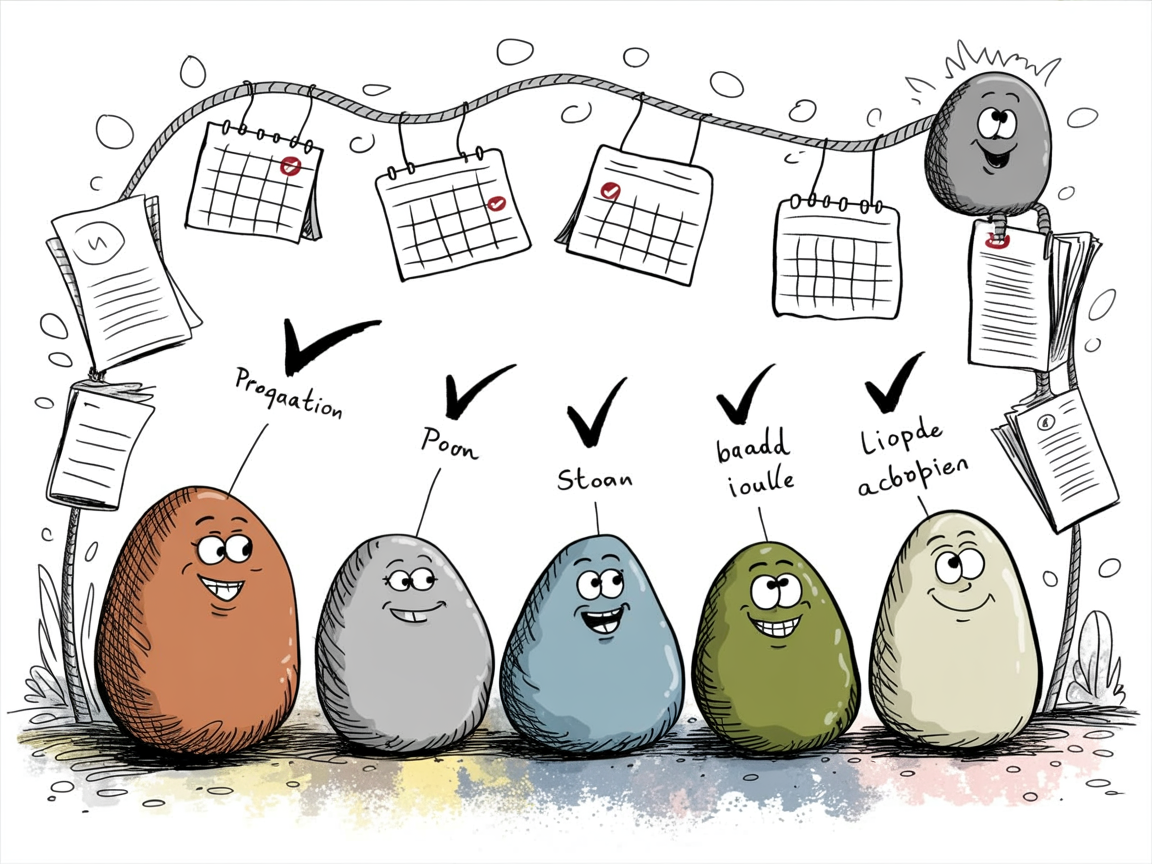
Planning ahead: a timeline for homeschool diploma preparation ensures nothing is overlooked
Common Homeschool Diploma Mistakes to Avoid
You’ve done the hard work of teaching. Don’t let simple mistakes undermine your graduate’s credentials now. Many homeschool parents stumble over the same preventable issues. When creating diplomas. These missteps can cause real headaches later. When your child applies to college or jobs. The good news? Once you know what to watch for, these problems are easy to avoid.
Waiting until senior spring to organize records. Scrambling to reconstruct four years of coursework in a few weeks creates unnecessary stress. And often results in incomplete documentation. Start organizing transcripts and records at the beginning of high school. Not the end.
Using vague course titles. “Science 10” tells colleges nothing. Instead, write “Biology with Lab” or “Chemistry I.” So admissions officers understand exactly what your student studied. Specific titles make your transcript credible. And comparable to traditional school records.
Skipping standardized testing entirely. While not always required, SAT, ACT, or CLT scores provide third-party validation. That strengthens your diploma for homeschool. Many colleges rely heavily on these scores when evaluating homeschool applicants.
Keeping only one copy of graduation documents. Store original diplomas and transcripts in a safe place. Then make multiple certified copies. You’ll need these for college applications, scholarship submissions, and employment verification. Sometimes all at once.
Frequently Asked Questions
Can my child get into college with a homeschool diploma?
Yes. Colleges regularly admit homeschool students. Many actively recruit them. According to the National Home Education Research Institute, homeschoolers often perform as well or better than their traditionally schooled peers in college. The key is that admissions officers focus more on your transcript. Standardized test scores (SAT or ACT). And application essays. More than on the diploma itself. Strong documentation of coursework, extracurricular activities, and solid test scores open doors. Some colleges even have dedicated homeschool admissions counselors. Who understand how homeschool records work.
Do I need to be accredited to issue a homeschool diploma?
No. In most states, parents can legally issue diplomas without any accreditation. You’re the school administrator. Your signature carries the authority. Check your state’s specific homeschool laws through HSLDA’s legal resources. But accreditation is rarely required for homeschool families. Some parents choose to work with accredited programs for peace of mind. But it’s usually optional, not mandatory. Your homeschool diploma is legitimate because you’ve documented your child’s education. And met your state’s requirements.
What should I put on a homeschool diploma?
Include your child’s full legal name, graduation date, your signature as school administrator, and your official homeschool name. You can add a seal, decorative border, or school motto if you want. But keep it professional and readable. Avoid overly casual fonts or clip art. That might make it look less official. Some parents include the phrase “has completed a course of study.” Or list the type of diploma (standard, honors, or college prep). The goal is a clean, professional document. That clearly identifies your graduate and your homeschool.
Will employers accept a homeschool diploma?
Most employers accept homeschool diplomas just like any traditional high school diploma. For jobs requiring education verification, having a solid transcript ready helps. Be prepared to briefly explain your homeschool program. Some families also include standardized test scores or community college credits. To strengthen their graduate’s credentials. If an employer questions the diploma, calmly explain that homeschooling is legal in all 50 states. And that you maintained detailed records. The vast majority of employers care more about skills, work ethic, and references. Than where the diploma came from.
Your homeschool diploma is just as valid as any traditional high school diploma. What really matters is the documentation you build around it. Colleges and employers want to see transcripts, course descriptions, and test scores. That prove your student did the work. The diploma itself is simply the final piece of paper. That confirms completion.
The biggest mistake you can make is waiting until senior year to start organizing records. Begin building that transcript file during freshman year. Update it each semester. Track courses, grades, and hours as you go. Your future self will thank you when application deadlines arrive.
Here’s your next step. Pull up your state’s homeschool graduation requirements today. Then create a simple transcript template. Even if your student is only in ninth grade. Add courses as you complete them. This one small action now will save you countless hours of stress later. And give your graduate the documentation they need. To pursue whatever comes next.
Curated resources and expert insights from the Eaton team to support your homeschool journey. Our content is researched and crafted to help families thrive.