Curriculum Preschool Homeschool: A Simple Guide for Overwhelmed Parents
The Eaton Team
•July 17, 2026•
11 min read
It’s 11 PM and you’re scrolling through preschool curriculum options. You wonder if you’re making the right choice for your three-year-old. Is homeschooling preschool even necessary? Choosing a curriculum preschool homeschool families actually use can feel overwhelming when you’re just starting out. The good news? You don’t need to figure this out tonight. You definitely don’t need to spend hundreds of dollars before you start.
More families are exploring homeschool preschool than ever before. According to the National Center for Education Statistics, homeschooling has grown significantly over the past two decades. Many families start earlier than traditional school age. The preschool years offer a unique window. Your child is naturally curious. Learning happens through play. You don’t need a teaching degree to make it work.
This guide will walk you through what preschool curriculum actually means for homeschoolers. You’ll learn how to choose one that fits your family. We’ll share practical ways to get started without the stress.
Do You Really Need a Curriculum for Preschool Homeschool?
Here’s what might surprise you: most preschool learning happens naturally. It happens whether you buy a curriculum or not. Your three-year-old learns colors while sorting laundry with you. They practice counting when you set the table together. They develop fine motor skills playing with blocks on your living room floor.
A formal curriculum isn’t required for preschool homeschooling. Many families who go on to homeschool successfully through high school start with nothing structured in the early years. Your child’s developmental readiness matters far more than any lesson plan. Are they interested? Can they sit for a few minutes? Do they enjoy the activity? These questions matter most.
That said, some families prefer the structure a curriculum preschool homeschool approach provides. Having a plan to follow appeals to many parents. Others want to make sure they’re covering key developmental areas. For some, a curriculum makes homeschooling feel more official to skeptical relatives. Both approaches work. The question isn’t whether you need a curriculum. It’s whether having one would make your days easier or more stressful.
If you’re feeling pressure to buy something right now, take a breath. You can always add structure later if you need it.
Deciding whether a structured curriculum preschool homeschool approach is right for your family depends on your goals and teaching style.
What Makes a Good Homeschool Preschool Curriculum?
A good preschool curriculum isn’t the one with the fanciest workbooks. It’s not the one with the longest lesson plans. It’s the one you’ll actually use on Tuesday morning when your toddler didn’t sleep well and you have laundry piling up. The best curriculum for homeschool preschool matches where your child is right now. Not where you think they should be.
Look for these qualities when you’re comparing options:
Age-appropriate activities that match your child’s developmental stage, not arbitrary grade levels. Three-year-olds learn differently than five-year-olds. That’s perfectly normal.
Flexibility to adapt when your child wants to spend an hour watching ants instead of doing the planned activity. Those unplanned moments often teach more than any worksheet.
Balance between structure and play so you have a plan but aren’t stressed when things go off-script. Preschoolers learn through play. Your curriculum should embrace that.
Realistic time commitments that fit your actual life. If the curriculum requires two hours of focused attention daily, ask yourself honestly if that’s sustainable for your family right now.
Four Types of Curriculum for Homeschool Preschool (And Who They’re For)
Not all preschool curricula work the same way. That’s actually good news. Different families thrive with different approaches. Here’s what’s out there and who each style tends to fit best.
Literature-based programs build learning around quality children’s books. You read stories together, then do activities that connect to the book’s themes. These work beautifully if you already love reading aloud and your child enjoys sitting for stories. Expect to spend time at the library and less time printing worksheets.
Play-based approaches treat play as the actual curriculum. Your child learns letters through sand trays. They learn numbers through building blocks. They learn science through backyard mud pies. This fits families who want minimal structure and kids who learn best by doing rather than sitting. You’ll need space for mess and comfort with open-ended activities.
Unit study programs dive deep into one topic at a time. Topics like farms, ocean life, or community helpers work well. Every subject connects to that theme for a week or month. These work well if your child fixates on specific interests and you like planning ahead. You’ll gather books, crafts, and activities all centered on each theme.
Online or app-based options deliver lessons through tablets or computers with videos, games, and digital activities. They fit tech-comfortable families who want something their child can partly do independently. You’ll need reliable internet and screen-time boundaries that work for your family.
Each curriculum preschool homeschool approach offers unique benefits—from structured programs to play-based learning.
How Much Should You Spend on Preschool Curriculum?
Here’s something that might surprise you: the most expensive preschool curriculum isn’t better than free options for three- and four-year-olds. Your preschooler learns best through hands-on play, conversation, and exploration. These are things that don’t come in a box. Before you add that $300 curriculum package to your cart, consider what preschool learning actually needs.
Your library card might be the best curriculum investment you’ll make. Most libraries offer free story time programs. They offer educational apps through Libby or Hoopla. They have shelves of picture books that teach colors, numbers, and pre-reading skills. You can rotate books weekly and never spend a dime.
Look around your home. You already own most of what you need: blocks, crayons, play dough, measuring cups, cardboard boxes. Preschool math happens when your child sorts socks by color. Science happens when you cook together. Art happens with a stack of printer paper and some markers.
Most families spend $0-50 on curriculum preschool homeschool materials and see excellent results. That budget covers a few workbooks if you want them, art supplies, and maybe a subscription to Starfall or ABCmouse. Save the big curriculum investments for later grades when structured learning matters more.
What Should Your Preschooler Actually Learn?
Before you worry about letters and numbers, let’s talk about what actually matters at this age. Your three- or four-year-old doesn’t need to master reading. They don’t need to write their name perfectly. They need something more fundamental. Honestly, it’s more important for long-term success.
Here’s what preschool learning really looks like at home:
Social-emotional skills come first. Can your child take turns? Can they handle disappointment when the tower falls? These skills matter more than any worksheet. Practice through play, family games, and talking through feelings when they happen.
Pre-reading happens through conversation. Read picture books together. Ask questions about the story. Point out letters on cereal boxes. You’re building language skills every time you talk with your child. No formal curriculum required.
Math lives in everyday moments. Count stairs as you climb them. Sort laundry by color. Set the table and talk about “more” and “less.” These real-life activities teach number sense better than most workbooks.
Fine motor skills develop through play. Playdough, crayons, scissors, and building blocks all strengthen the hand muscles needed for writing later. Add plenty of outdoor time for gross motor development.
The goal isn’t to check boxes. It’s to nurture curiosity and build confidence. These are skills that will serve your child for years to come.
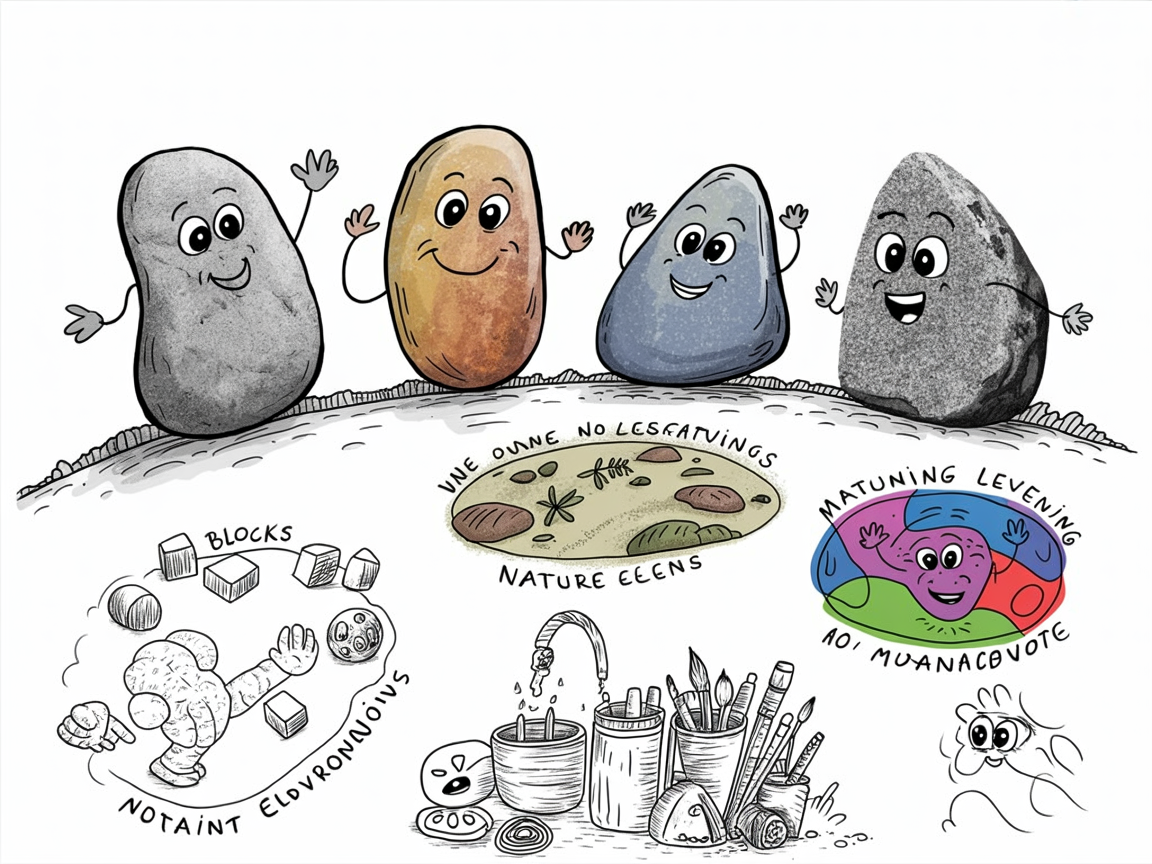
A balanced curriculum preschool homeschool program develops social, emotional, cognitive, and physical skills through play and exploration.
Transitioning from Preschool to Kindergarten Homeschool Programs
The shift from preschool to kindergarten doesn’t happen overnight. It shouldn’t. You’ll know your child is ready for more structure when they can sit for short activities without frustration. They should follow two-step directions. They should show interest in letters or numbers. Most families find that somewhere between ages four and six, their child naturally asks more questions. They want to “do school” like older siblings or friends.
Start by adding one structured activity each day. Perhaps a letter worksheet or a simple math game. Keep it short, around 10–15 minutes at first. If your child resists, pull back and try again in a few weeks. Kindergarten readiness isn’t about a specific birthday. It’s about your child’s ability to focus and their curiosity about learning. You can gradually increase learning time as they show interest. Work up to 30–45 minutes of focused work by the time they’re solidly in kindergarten.
Remember that kindergarten homeschool programs at home look different than kindergarten at school. You’re not trying to recreate a classroom. You’re building on the play-based foundation you’ve already established. Just with a bit more intention and consistency.
Your 90-Day Action Plan to Start Homeschool Preschool
Breaking your start into three focused months makes the process manageable. It lets you adjust as you learn what works for your family.
Month 1: Observe and establish routines. Watch how your child learns naturally. Does she focus better in the morning? Does he learn through movement or quiet activities? Set simple daily rhythms: breakfast, playtime, a story, outdoor time. You’re not teaching lessons yet. You’re building the foundation.
Month 2: Try free resources and experiment. Test library books, free printables, and activities you already have at home. Notice what holds your child’s attention and what feels forced. This is your research phase. No commitment required.
Month 3: Choose one approach and build consistency. Pick the curriculum or method that matched your child’s learning style in month two. Stick with it for at least six weeks before making changes. Consistency matters more than perfection.
Starting mid-year? Skip straight to month two. Your child won’t fall behind. Preschool learning happens year-round. There’s no official start date you’ve missed.
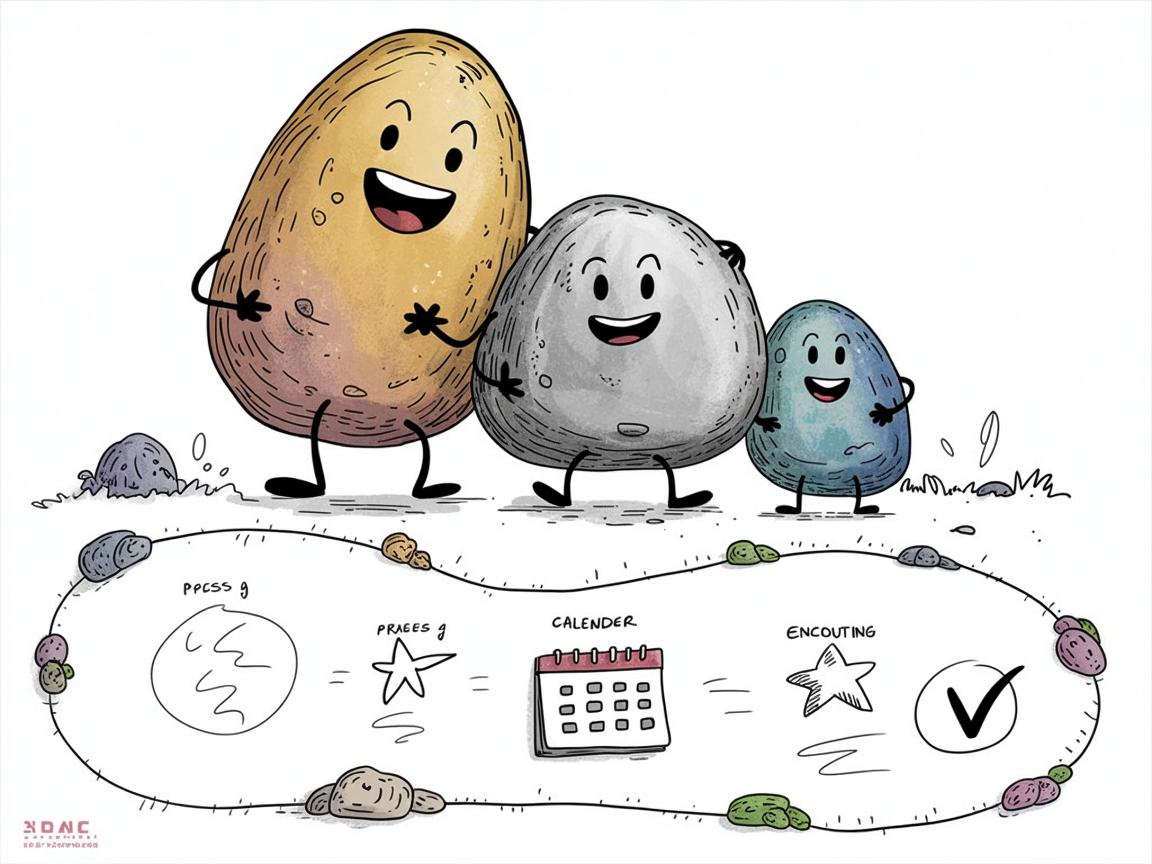
A structured 90-day action plan helps you implement your curriculum preschool homeschool strategy with confidence and clarity.
Frequently Asked Questions
What age should I start homeschool preschool?
Most families begin between ages 3 and 4, but there’s no magic number. Some children show interest in letters and numbers earlier. Others aren’t ready until closer to five. The beauty of homeschooling is that you can follow your child’s lead. If your three-year-old asks questions about how things work or wants to “do school” like an older sibling, that’s your green light. If they’re more interested in building blocks and pretend play, that’s learning too. And it counts.
How many hours a day should preschool homeschool take?
Plan for 30 to 60 minutes of focused activities each day. That might sound short, but preschoolers have limited attention spans. They’re learning constantly through play, conversations, and daily routines. Reading books together, counting toys, and talking about colors while cooking all count as preschool learning. Brief, engaging sessions work better than long, structured ones at this age.
Do I need to follow state homeschool requirements for preschool?
Most states don’t require any reporting or curriculum for preschool-age children. Homeschool laws typically kick in around age 6 or when children would enter kindergarten. That said, requirements vary by state, so it’s worth checking your specific regulations. You can find your state’s homeschool laws through HSLDA or your state’s department of education website. For now, though, you’re likely free to explore without paperwork.
Can I switch curriculum mid-year if it’s not working?
Absolutely. Preschool is the perfect time to experiment. If your child isn’t engaging with a curriculum or you’re both feeling frustrated, there’s no reason to push through. Try something different. You’re not locked into anything. There’s no test at the end of preschool. The goal is to nurture curiosity and build positive learning experiences. If a curriculum isn’t serving your family well, set it aside and find one that does.
The best homeschool preschool approach is the one that fits your family’s real life. Not someone else’s Instagram-worthy ideal. Your three-year-old doesn’t need workbooks or lesson plans that take hours to prep. They need you, some simple materials, and the freedom to explore.
Start with what you already have: your library card, your kitchen, and 30 minutes a day. Pick one approach from this guide. Whether it’s a free printable pack, a simple unit study about dinosaurs, or just reading books together on the couch. Commit to trying it for 30 days. See what works. Adjust what doesn’t.
The preschool years go faster than you think. You’re not behind. Additionally, you’re not doing it wrong. You’re exactly where you need to be. Figuring it out one day at a time, just like the rest of us.
Curated resources and expert insights from the Eaton team to support your homeschool journey. Our content is researched and crafted to help families thrive.