Homeschooling in Texas: Your Complete Guide to Legal Requirements and Getting Started
The Eaton Team
•June 16, 2026•
11 min read
You’ve decided to start homeschooling in Texas. But the freedom that drew you here comes with a question: am I doing this right? Without mandatory registration or oversight, it’s easy to second-guess every decision. The good news? Texas makes homeschooling simpler than most states. You’re about to learn exactly what you need to do.
Many families share your concerns. According to U.S. Census data, homeschooling rates doubled nationwide between spring and fall 2020. They jumped from 5.4% to 11.1% of households with school-age children. Many of those families are still homeschooling today. They’re building their confidence one day at a time.
Texas gives you remarkable freedom to educate your children at home. Since 1994, when the Texas Supreme Court upheld homeschooling rights, families have had the legal right to teach at home. The state doesn’t interfere much. That freedom means you can customize your child’s education. But it also means you need to understand what’s required and what’s optional.
What Does Texas Law Actually Require for Homeschooling?
Texas law treats your homeschool as a private school. That simple classification gives you more freedom than families in most other states enjoy. You won’t fill out forms. You won’t wait for approval. You won’t prove your qualifications to anyone.
The requirements are surprisingly straightforward. According to Texas Education Agency guidance, your homeschool must meet three basic standards:
Provide bona fide instruction — You must genuinely teach your children, not just keep them home from school
Use a written curriculum — Your teaching plan needs to be in writing, but you choose what it looks like
Cover five core subjects — Reading, spelling, grammar, mathematics, and good citizenship must be part of your program
That’s it. No teaching degree or specific credentials are required. No registration with your school district or notification to the state is needed. There’s no required testing. No portfolio reviews. No home visits. If you’re teaching your kids at home with a written plan covering the basics, you’re meeting Texas law.
This freedom can feel unsettling at first. Many new homeschoolers expect more rules or oversight. But the lack of red tape is intentional. Texas trusts you to make the right educational choices for your children. When you’re homeschooling in Texas, you’re the one in charge.
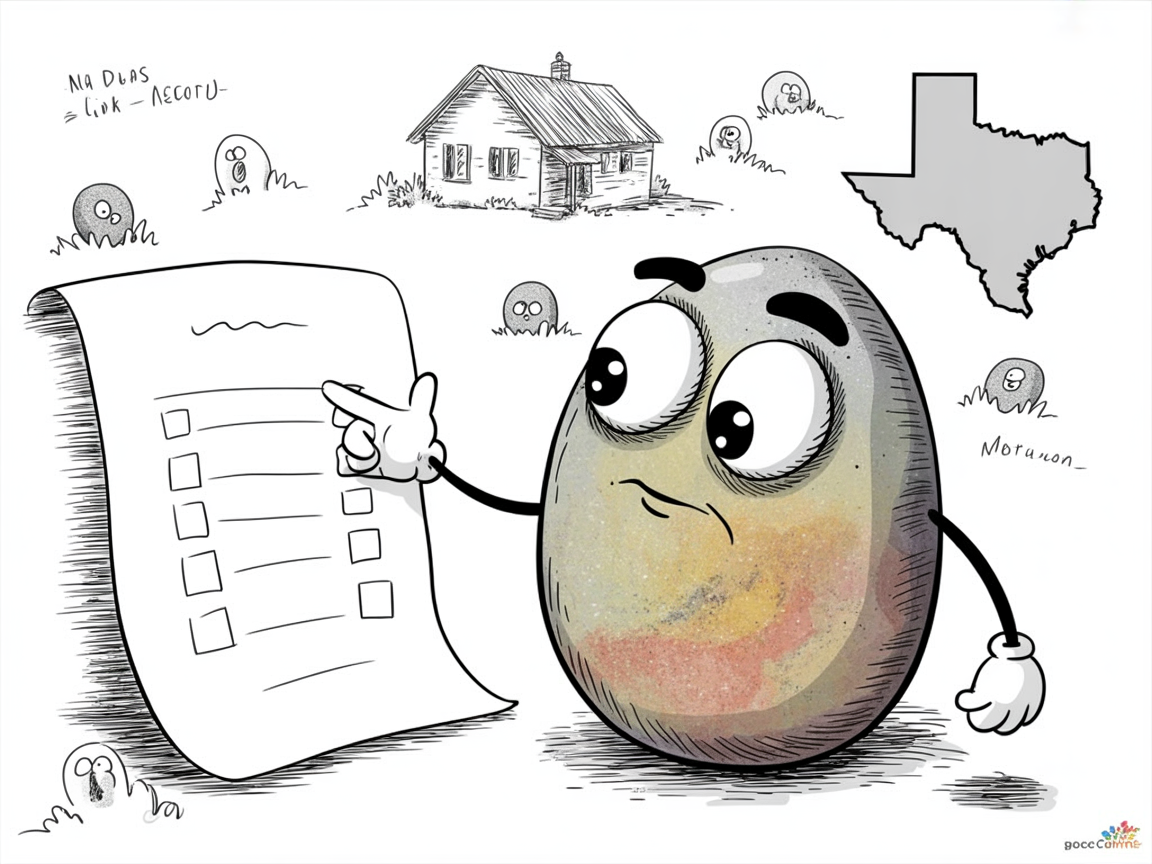
Understanding Texas homeschooling laws ensures your family meets all state requirements.
How Do I Withdraw My Child from Public School to Homeschool in Texas?
If your child is currently enrolled in public school, you’ll need to formally withdraw them before you start homeschooling. The process is straightforward, but the language you use matters. Texas recognizes homeschools as private schools. So you’re not just pulling your child out. You’re establishing a private educational institution in your home.
Here’s what you need to do:
Write a withdrawal letter to the school principal. State clearly you’re withdrawing your child to establish a private homeschool. Don’t say you’re “homeschooling” without the private school language. This protects your legal standing.
Request your child’s records. Ask the school to send all educational records to “parent/teacher” at your home address. You’ll want these for your own records. You may need them for future school enrollment.
Time it right. Withdraw before attendance becomes an issue. If your child has already missed days and the district is asking questions, send your letter immediately. Most districts accept email. But certified mail creates a paper trail if you need it.
Keep a copy of everything. Save your withdrawal letter and any response from the school. Documentation showing you followed proper procedure is good to have on file.
Once you’ve withdrawn your child, you can start homeschooling in Texas right away. There’s no waiting period or approval process.
What Curriculum Requirements Exist for Homeschooling in Texas?
Texas keeps curriculum requirements simple. Your curriculum must be in written, visual form. That means books, workbooks, or online programs your child can see and read. Audio-only instruction doesn’t meet the requirement. But nearly everything else does.
Your curriculum needs to cover five core subjects: reading, spelling, grammar, mathematics, and good citizenship. That’s it. No specific textbooks are required. No state-approved curriculum list exists. You choose what works for your family.
What does this look like in practice? You have options:
Traditional textbooks from publishers like Abeka, Saxon, or Sonlight
Online programs such as Khan Academy, Time4Learning, or video-based courses
Unit studies that weave multiple subjects into themed projects
Mixed approaches combining different resources for different subjects
The freedom to choose means you can switch curricula mid-year if something isn’t working. Mix free resources alongside purchased materials. Teach multiple children with different approaches. When homeschooling in Texas, no one will check your curriculum choices. No one requires approval before you start.
Do I Need to Keep Records When Homeschooling in the State of Texas?
Here’s the surprising answer: Texas doesn’t require you to keep any records of your homeschooling. No attendance logs. No test scores. No portfolio reviews. But before you celebrate and toss that filing cabinet, consider this. You should keep records anyway.
Why? Because good records protect your family. If you ever need to prove your child was educated at home, you’ll want documentation. College admissions offices ask for transcripts. If you move to another state, you may need to show educational continuity. Even returning to public school can require proof of grade-level work.
How to Build a Simple Record System
Start with a simple system. Every quarter, save a few samples from each subject your child studies. Keep a basic attendance log showing school days. Document the curriculum you used and major projects completed. Store everything in a three-ring binder or digital folder organized by school year.
You don’t need fancy portfolios or professional assessments. Just enough to tell the story of your child’s education. Think of it as insurance. You hope you never need it. But you’ll be grateful it’s there if you do.
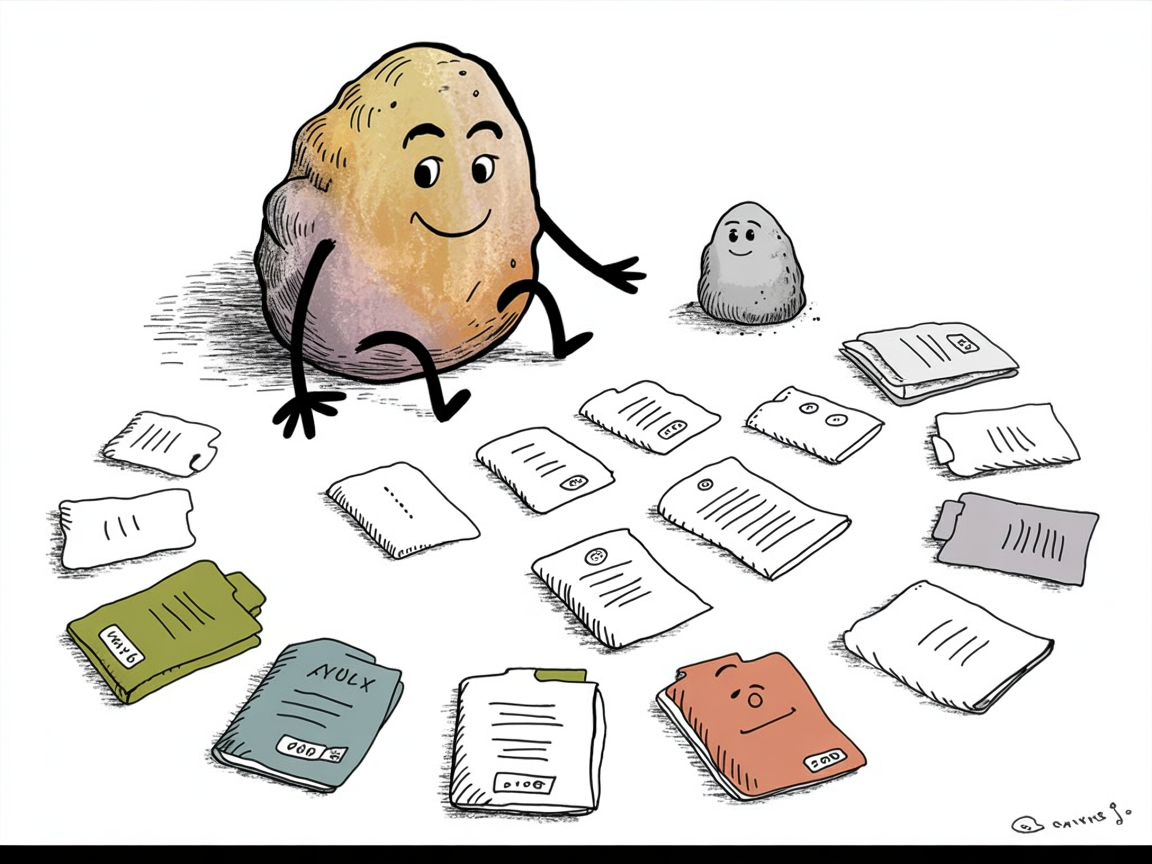
Maintaining clear records is essential for homeschooling in Texas compliance and student progress tracking.
Can My Homeschooled Child Participate in Public School Activities in Texas?
Your homeschooled child can participate in UIL activities at your local public school. But it’s not automatic. Texas law allows it. Each district decides how to implement the policy. Here’s what you need to know:
Meet basic requirements: Your child must be the right age and grade level for the activity. They must pass all their homeschool courses. They must maintain UIL eligibility standards.
Contact your district early: Call your local school’s athletic director or activities coordinator before the season starts. Some districts welcome homeschoolers openly. Others have stricter policies or limited spots.
Understand the paperwork: You’ll likely need to provide proof of your homeschool curriculum. You’ll need to show your child’s academic progress. Requirements vary by district.
Consider alternatives: If your district doesn’t offer access or the fit isn’t right, look into homeschool sports leagues. Check out co-op teams and community programs. Many Texas cities have thriving homeschool athletic communities.
The key is to start the conversation early. Be prepared to advocate for your child while respecting each district’s process. Many families find that homeschooling in Texas offers plenty of sports and activities outside the public school system.
How Do I Create a High School Transcript for Homeschooling Texas Students?
Here’s something surprising: you can issue your child’s official high school transcript yourself. As the administrator of your home school, you have the authority to create and sign transcripts colleges will accept. No special credentials or state approval are needed.
Start keeping detailed records from ninth grade onward. Track every course your teen completes. Include the course title, number of credits earned, and the grade. Typically, you’ll give 0.5 for a semester or 1.0 for a full year. Many families also include the year each course was completed. They add any relevant details like honors or AP-level work.
Your transcript should look professional. Include basic information: your student’s name, your school name, courses organized by subject or year, cumulative GPA, and graduation date. According to the Texas Education Agency, while the state doesn’t award diplomas to homeschooled students, Texas considers successful completion of a home school education equivalent to public high school graduation for college admission purposes.
Texas colleges regularly accept parent-issued homeschool transcripts. Keep copies of major assignments, tests, and projects as supporting documentation. A college might request additional verification. Your signature as school administrator carries the same weight as a principal’s signature at a private school. When homeschooling in the state of Texas, you have full authority to certify your student’s academic work.
What Support Resources Are Available for Texas Homeschool Families?
You don’t have to homeschool alone. Texas has a strong network of organizations and groups ready to help you succeed. Whether you need legal guidance, curriculum advice, or just someone who understands what you’re going through, you’ll find support.
Texas Home School Coalition (THSC) — This statewide organization offers legal defense coverage. They answer questions about Texas homeschool law. They advocate for homeschool families at the state level. Their membership includes access to experienced advisors who can guide you through tricky situations.
Local homeschool co-ops — These parent-run groups meet weekly or monthly. They offer group classes, socialization, and shared teaching responsibilities. Your kids might take art, science labs, or foreign language while you teach other subjects at home.
Online curriculum providers — From complete programs to individual courses, online options let you customize your child’s education. Many Texas families mix and match providers to fit their needs.
Regional support groups — These informal networks organize park days, field trips, and parent meetups. They’re great for building friendships. You’ll get real-world advice from experienced homeschool parents.
Connecting with other families who are homeschooling in Texas makes the journey easier. It makes it more enjoyable for everyone.
Frequently Asked Questions
Do I need a teaching certificate to homeschool in Texas?
No. Texas law doesn’t require parents to have any teaching credentials, college degree, or formal training to homeschool their children. You’re the expert on your child, and that’s what matters most. Whether you finished high school or hold a doctorate, you have the legal right to teach your children at home.
Does Texas require homeschool students to take standardized tests?
No. Texas doesn’t require homeschoolers to take any standardized tests or assessments. Testing is completely optional and at your discretion. Some families choose to test for their own peace of mind or college preparation. But it’s not a legal requirement.
Can I homeschool in Texas if I work full-time?
Yes. Texas law doesn’t specify when or how instruction happens. So working parents can homeschool using flexible schedules, online programs, or evening instruction. Many families make this work by teaching on weekends. They use self-paced curricula. Or they split teaching duties with a spouse or co-op.
What if my school district says I need to register my homeschool?
Texas law doesn’t require homeschool registration. If contacted by your district, politely refer them to Texas Education Code 25.086. Or contact Texas Home School Coalition (THSC) for support. You’re not obligated to provide curriculum details, test scores, or attendance records.
How many days per year must I homeschool in Texas?
Texas law doesn’t specify a minimum number of school days for homeschools. You determine your own schedule based on what works for your family. Some families follow a traditional calendar. Others school year-round or take breaks when needed.
You have everything you need to start homeschooling in Texas with confidence. The state gives you remarkable freedom. The legal requirements are straightforward: provide bona fide instruction, use a written curriculum, and cover the five required subjects. That’s it. No registration forms. No testing mandates. No government approval needed.
Keep good records even though Texas doesn’t require them. Documentation protects your family if questions arise. It makes transitions smoother if your child returns to traditional school or applies to college. A simple attendance log, curriculum list, and work samples give you peace of mind.
Connect with Texas Home School Coalition or local support groups in your area. These communities offer practical help, legal updates, and the encouragement that comes from families who understand your journey. You’re not just doing this right. You’re exercising your legal right to direct your children’s education. Take a deep breath. You’ve got this.
Curated resources and expert insights from the Eaton team to support your homeschool journey. Our content is researched and crafted to help families thrive.