Homeschool Economics Curriculum: A Parent’s Confidence Guide
The Eaton Team
•March 4, 2026•
11 min read
You want your kids to understand money, budgets, and how the economy works. But most economics programs feel too hard for young kids. Others feel too dull to hold their attention. Here’s the good news. You don’t need a business degree to teach this at home. The right homeschool economics curriculum makes these ideas click at any age. Maybe you’re teaching basic money skills to a first grader. Maybe you’re tackling supply and demand with a teen. Either way, you have more options than ever. Some turn your kitchen into a tiny marketplace. Others are full courses that prep teens for college-level thinking. This guide shows you what to look for. You’ll learn how to match a program to your child’s age and style. And you’ll get simple ways to bring money lessons into your day.
Why Economics Education Matters in Your Homeschool
Economics isn’t just stock markets and GDP. It’s about the choices your kids make every day. Teach it at home, and you give them tools for life. A child who can budget at eight is ready to handle a first paycheck at sixteen. They learn the difference between what they need and what they want. They start to see how today’s choices shape their future. These aren’t fuzzy ideas. They’re the base for confident, capable adults.
Economics also blends into subjects you already teach. History makes more sense once kids grasp trade and resources. Math feels useful when they figure percentages for a savings goal. Current events click once they get supply and demand. Here’s a nice bonus. Kids who learn about money early tend to stress less about it later. They’re not scared of money choices, because they’ve practiced for years. That calm is worth more than any test score.
What to Look for in a Homeschool Economics Curriculum
Not all economics programs are equal. What fits one family may flop for yours. The best homeschool economics curriculum meets your student where they are. It also fits how you like to teach. Here’s what sets a program that gathers dust apart from one that truly helps:
Ideas that grow from concrete to abstract. Young kids need to handle coins and make simple trades first. They aren’t ready for supply curves yet. Look for programs that start with what kids can see and touch. Then they add harder ideas as kids grow.
Real-world application through projects, games, or family activities. Economics clicks when kids tie it to real life. The best programs build in ways to practice. That might mean a lemonade stand, a price-check at the store, or a pretend market at your table.
Parent-friendly guides written in plain words. You shouldn’t need a degree to teach this. Good programs explain each idea for you. They add sample answers and tips for the questions kids ask.
Room to flex around your schedule and style. Strict daily plans rarely survive real homeschool life. Look for programs you can slow down, skip, or stretch when a topic grabs your child.
Best Economics Curriculum for Elementary Students (K-5)
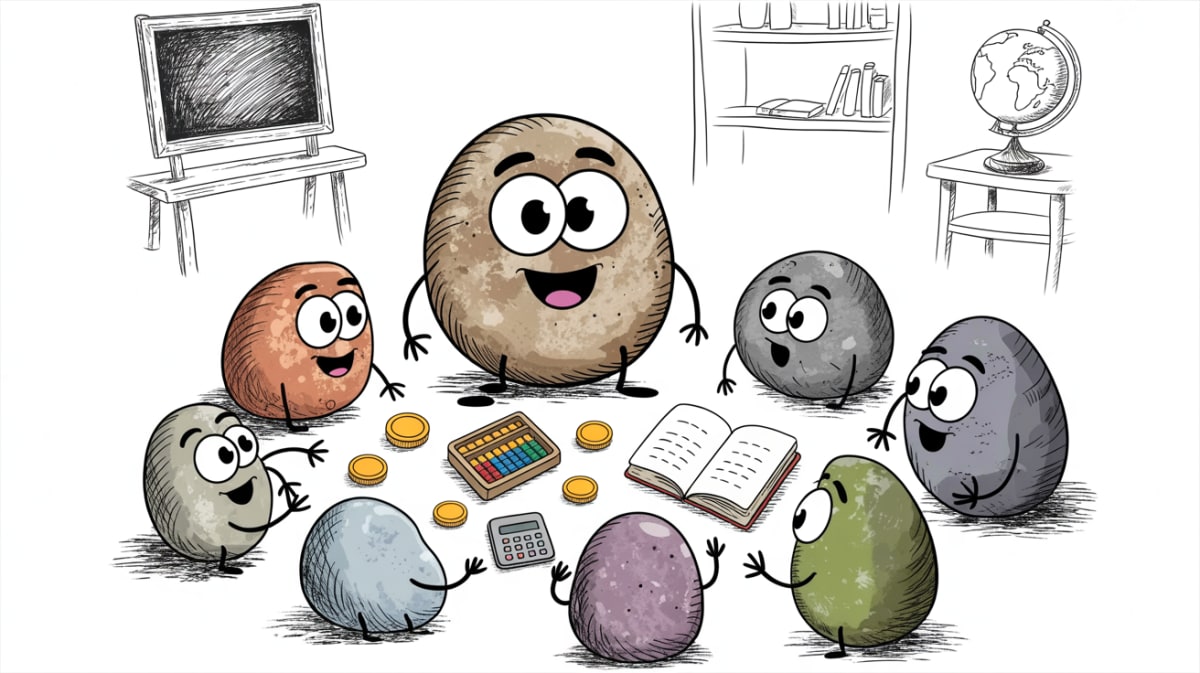
Young kids learn money best when they can touch it and see it. At this age, skip the lectures on fiscal policy. Build simple ideas instead, like “things cost money” and “I can’t buy it all.” The best elementary programs use games, stories, and real practice to make ideas stick. Set up a pretend store where kids price items and make change. Or let them earn tokens for chores and “spend” them on treats.
Picture books work great here too. Stories about lemonade stands or saving for a toy teach ideas without feeling like school. Look for programs that mix in lessons on sharing, saving, and giving. Programs like The Tuttle Twins series wrap economics in fun stories. Free activities from Practical Money Skills work well for young kids too.
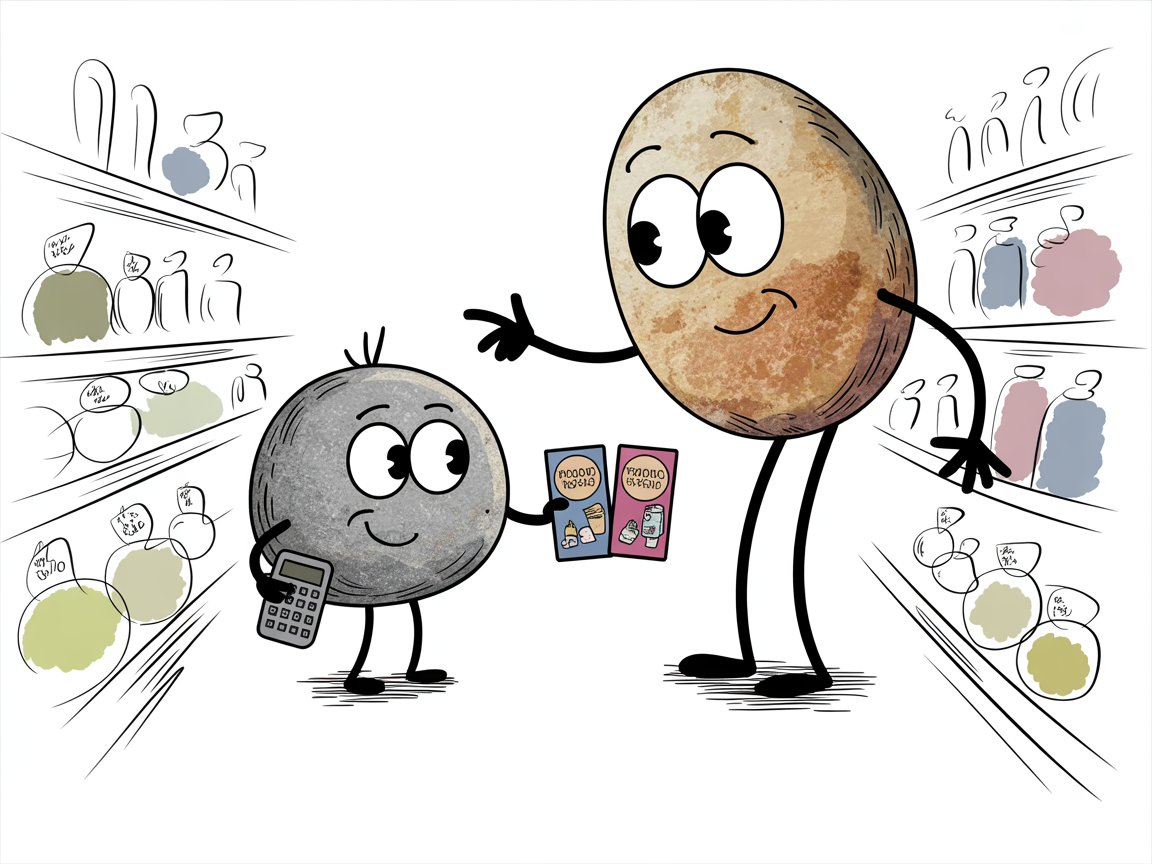
You can also build your own lessons from things at home. Let kids compare prices on a grocery run. Use their Halloween candy to show trading and value. The goal isn’t mastery. It’s curiosity and comfort with money ideas that grow over time.
Middle School Economics Curriculum Options That Keep Kids Engaged
Middle schoolers hit a sweet spot. They’re ready for real-world ideas but still need hands-on fun. The best middle school programs let students do economics, not just read about it. Look for business simulations where your student runs a lemonade stand, a virtual store, or a small factory. These make ideas like profit and opportunity cost click.
You’ll also want a program that covers different systems: market, command, and mixed. Use examples kids know. Compare how grocery stores run here versus in other countries. Put personal finance front and center. That means bank accounts, how interest helps or hurts you, and basics like stocks and bonds.
The best middle school programs tie money to the news. Your student sees inflation on TV and links it to your grocery bill. That’s when economics stops being theory and gets real. This link to daily life keeps kids engaged and sharpens their thinking.
High School Homeschool Government and Economics Curriculum
High school economics should do more than define terms. It should get your teen ready for real life. It can even earn them college credit. At this level, look for courses that cover both sides: microeconomics, how people and businesses choose, and macroeconomics, how whole economies work. Many families pair economics with government. The two overlap on taxes, policy, and how laws shape markets.
Is your teen college-bound? Look for AP Economics prep or dual-enrollment options. The best government and economics course goes past textbook theory. It helps teens read the news with sharp eyes. Why do gas prices swing? How do interest rates change borrowing? What does inflation mean for a future paycheck? How do you read job-market trends?
Look for courses with real practice. That includes studying current events, making a household budget, or comparing economic systems. Your teen should leave the course with more than facts. They should have tools for college, work, and life on their own.
Teaching Economics Without Buying a Full Curriculum
You don’t need a textbook to teach how money works. Some of the best lessons come from real choices you make together. A grocery trip turns into a budget lesson when you compare unit prices. Ask why brand names cost more. Planning a trip? Let your kids price options and make trade-offs on a set budget. These small moments teach big ideas without feeling like school.
You’ll also find lots of free resources online. The Federal Reserve has free games and lessons for all ages. Sites like EconEdLink share class-tested activities you can use at home. Your library likely has books and videos that explain supply and demand or how banks work, often in kid-friendly form.
Does your student want to start a business? Build a small one together. Sell baked goods or offer a neighborhood service. They’ll learn about profit, costs, and customer service up close. Sometimes the best money lessons come from doing, not reading.
How to Choose the Right Homeschool Economics Curriculum for Your Family
Not every program fits every family, and that’s fine. The goal is to match where your child is now with how you really teach. Ask yourself a few simple questions before you buy.
Check your child’s starting point. Do they already get earning and saving? Or are you starting fresh? Knowing this helps you skip dull review and avoid big jumps.
Be honest about prep time. Some programs are open-and-go. Others ask you to gather supplies or watch training videos. If you juggle several grades, a more structured one may save your sanity.
Pick a worldview that fits. Do you want a faith-based take or a secular one? Both exist, so choose what matches your values.
Start small and adjust. You don’t have to commit to a full year at once. Try one unit first. If it doesn’t click, switch with no guilt.
Frequently Asked Questions
What age should I start teaching economics to my homeschooler?
You can start as early as kindergarten with simple ideas like saving and spending. Young kids get concrete things. They trade toys, earn money for chores, or pick between two items at the store. These habits build a base for money thinking. Bigger ideas like supply and demand fit better around ages 8 to 10. By middle school, most kids can explore how markets work and why prices change. High schoolers can handle economic systems, policy, and money planning. Match the level to your child’s stage. Don’t wait for economics to feel “official.”
Do I need to teach economics separately or can I combine it with other subjects?
Economics blends right into subjects you already teach. Study the Industrial Revolution, and you cover labor, capital, and production. Work percentages in math, and you build skills for interest and inflation. A chat about gas or grocery prices is economics in action. Many families fold money ideas into social studies. Others use real tasks, like a lemonade stand or a clothing budget, instead of a set program. Formal courses work well for high school credit, especially for college-bound teens. But younger kids often learn homeschool economics best through hands-on practice.
What’s the difference between economics and home economics curriculum?
They sound alike but cover different ground. Economics is about money, markets, and systems. It looks at how people choose with limited resources, why prices move, and how economies work. Home economics, or home ec, teaches household skills like cooking, sewing, and meal budgeting. Here’s an easy way to see it. Economics explains why beef prices rose. A home economics curriculum teaches you to plan cheap meals and cook that beef. Some families teach both, since they pair well. A teen who gets both has strong life skills. Still, they’re separate subjects with different goals.
How do I teach economics if I don’t understand it well myself?
You don’t need a degree to guide your kids here. Pick a homeschool economics curriculum with clear teacher guides that explain each idea in plain words. Many include answer keys that show the why, not just the answer, so you learn too. Start with elementary materials even for older kids. This builds your comfort with the basics first. Video lessons help a lot, since an expert does the teaching while you guide. You can also learn together by watching short videos or reading the text first. Your job isn’t to be the expert. It’s to guide the learning.
Should I use a religious or secular economics curriculum?
This comes down to your family’s values and goals. Religious programs, often Christian ones, add ideas like stewardship, giving, and contentment alongside the theory. They may show how faith shapes money choices. Secular programs stick to theory, systems, and analysis, with no faith content. Both can teach solid economics. The real difference is the worldview. Ask what matters most to you. Do you want economics tied to your faith teaching, or kept apart? Either path can prepare your student for college economics or real money choices.
Teaching economics at home doesn’t have to feel huge. The right homeschool economics curriculum fits your child’s age, your style, and your values. And no, you don’t need a degree to pull it off. Start by spotting where your child is now. Do they need basic money ideas, or are they ready for supply and demand? Pick one resource that feels doable and give it a try. You can always adjust as you go. Many parents find that learning beside their kids makes it more fun for everyone. Your kitchen table can become a place where money choices make sense. Your teen can start reading headlines with a sharper eye. And money confidence can grow on its own. Pick a starting point that feels right, and trust that you’re giving your kids skills for life.
Curated resources and expert insights from the Eaton team to support your homeschool journey. Our content is researched and crafted to help families thrive.