What Are Homeschool Unit Studies? (And How to Use Them Successfully)
The Eaton Team
•May 26, 2026•
11 min read
You’ve heard homeschool unit studies could transform your homeschool — but you’re not sure if they’re worth the time, if they’ll cover what your kids need to learn, or how to start without buying another curriculum that sits on the shelf. The good news? Unit studies are simpler than you think, and they might be exactly what your family needs.
A homeschool unit study is an educational approach that combines multiple aspects of a topic in one cohesive study. Instead of teaching math, science, and history separately, you explore one theme — like the ocean, ancient Egypt, or space — and weave all your subjects into it. Your kids read about it, write about it, do math problems related to it, and create projects around it.
This approach can foster critical thinking, creativity, and real-world connections that feel natural to kids. But it also raises questions: Will my child learn everything needed? How do I plan one? And will it work for my family’s schedule and learning style?
Let’s break down exactly what homeschool unit studies are, how they work, and whether they’re right for your homeschool.
What Are Homeschool Unit Studies?
A homeschool unit study is an educational approach that combines multiple aspects of a topic in one cohesive study. Instead of opening separate textbooks for math, science, history, and language arts, you pick one central theme and teach everything through that lens.
Here’s how it works: Let’s say you choose Ancient Egypt as your theme. Your kids aren’t just reading about pharaohs in a history book. Reading about mummification in science class, calculating pyramid dimensions and angles in math, writing stories using hieroglyphics for language arts, and creating timelines to understand when Ancient Egypt fits into world history all connect to one central idea.
This differs from the traditional textbook approach, where each subject lives in its own silo. In a unit study, everything connects. Your child sees how math helps us understand architecture, how science explains ancient practices, and how history and writing work together to tell human stories.
The beauty? Learning feels less like checking boxes and more like exploring something interesting. When subjects connect naturally, kids remember more and understand deeper.
Unit studies weave together history, science, literature, and art around a single theme, creating deeper learning connections than traditional textbooks.
Why Parents Choose Unit Study Homeschool Methods
Homeschool unit studies solve some of the biggest challenges homeschool parents face. Here’s why so many families are making the switch:
One theme works for everyone. You can teach your second grader and your fifth grader together using the same topic. Your younger child draws pictures of dolphins while your older one writes a research report — both learning about ocean life at their own level.
Kids remember what they learn. When everything connects to one central idea, your child’s brain makes stronger links between concepts. Reading about ancient Rome, doing Roman numeral math, and building a model aqueduct all reinforce each other.
You spend less time planning. Instead of juggling four different curriculum books with different schedules, you plan around one theme. That means fewer teacher manuals to read and less time coordinating separate subjects.
Learning feels natural instead of forced. Unit studies foster critical thinking, creativity, and real-world connections that make sense to kids. Your child explores a topic of interest, not just filling in workbook pages.
Do Homeschool Unit Studies Actually Cover Everything?
Here’s the honest answer: not always. Homeschool unit studies are powerful for many subjects, but some areas need their own time.
Math usually needs its own curriculum with step-by-step skill building. Your kids need to practice multiplication facts, work through fractions, and master algebra concepts in order. You can connect math to your unit study theme with word problems, but the core instruction works better separately.
Reading instruction — especially phonics and decoding for younger kids — also works better as its own subject. Your child needs practice with letter sounds, blending, and sight words. Once fluent readers develop, unit studies provide perfect reading practice.
Unit studies shine for science, history, geography, writing, and art. These subjects connect naturally around a theme. When you’re studying the ocean, your kids can learn about marine biology, write reports on sea creatures, map ocean currents, and create watercolor paintings of coral reefs.
Most families use a hybrid approach: separate curricula for math and reading, unit studies for everything else. That’s not cheating — it’s smart homeschooling.
How Long Does a Unit Study Take?
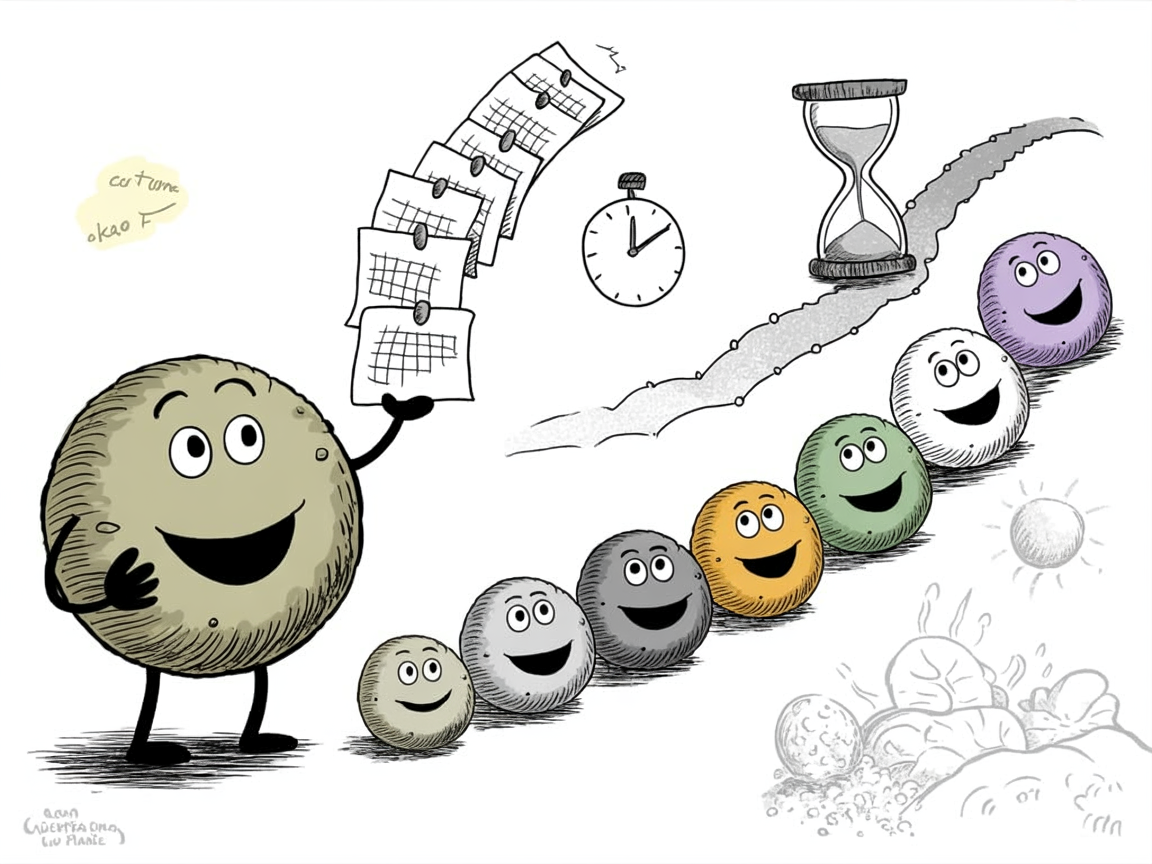
One of the best things about homeschool unit studies? You set the timeline. Most families spend 2-6 weeks on a single unit, but there’s no rule you have to stick to that schedule.
For elementary students, plan on 1-3 hours of focused unit study time each day. Older students might spend more time diving deeper into research, writing, and projects. If your kids are fascinated by volcanoes, stretch that unit to six weeks. If dinosaurs lose their appeal after two weeks, wrap it up and move on.
A typical homeschool year includes 6-8 unit studies. This gives you room to explore diverse topics — from ancient civilizations to ecosystems to inventors — without feeling rushed. Some families alternate between shorter units (2-3 weeks) and deeper dives (4-6 weeks) to keep things fresh.
The real beauty here is flexibility. You’re not locked into a pacing guide. If life gets busy, pause and pick up where you left off. If your child wants to keep going, let them. You’re in control.
Most homeschool unit studies span 2–12 weeks depending on depth and your child’s learning pace, allowing flexible scheduling that works with family life.
Should You Buy or Create Your Own Unit Studies?
You have three main options when it comes to homeschool unit studies, and each one fits different families.
Pre-made unit studies save you hours of planning time. Lesson plans, book lists, activity ideas, and printables all come ready to go. You’ll spend between $20 and $100 per unit, depending on the publisher and how complete it is. This option works well if you’re new to unit studies, short on time, or want to see what a well-structured unit looks like.
DIY unit studies cost nothing but your time. You pick a topic, gather library books, find free online resources, and create your own activities. Plan on spending 2 to 4 hours organizing a unit. This approach gives you complete control and lets you tailor everything to your child’s interests and learning style.
The hybrid approach combines both methods. Buy one pre-made unit to understand the structure and flow. Use that as a template to create your own units. Many families find this gives confidence without the ongoing expense.
Your best choice depends on your available time, budget, and how comfortable you feel planning curriculum from scratch.
How to Create a Simple Unit Study in 5 Steps
You don’t need a fancy curriculum or hours of planning to start a unit study. Here’s how to create one that works for your family:
Pick a topic your kids are curious about. Ask what excites them to learn more about — animals, space, a historical period, or even something like pirates or weather. Interest will carry the momentum.
Gather 3-5 library books at different reading levels. Check out picture books, chapter books, and nonfiction titles on your topic. This gives you content for read-alouds, independent reading, and reference material all in one trip.
List activities for each subject. Think simple: a science experiment (volcano eruption for geology), math problems (calculate distances for space unit), map work (trace explorer routes), and a creative writing prompt (write a letter as a historical figure). You don’t need elaborate projects — just connections to your theme.
Schedule activities across 2-4 weeks. Plan 3-4 activities per day, mixing subjects so kids don’t get bored. Monday might be reading, a science experiment, and math problems. Tuesday could be map work, more reading, and art.
Stay flexible and follow your kids’ lead. If your children want to spend an extra day building a model or researching something that came up, let them. That’s the beauty of unit studies — the learning goes where curiosity takes it.
Common Unit Study Mistakes (And How to Avoid Them)
You’re excited to start your first unit study — but enthusiasm can lead to overwhelm if you’re not careful. Most families make the same mistakes when beginning, and the good news is all of them are easy to fix once you know what to watch for.
Planning too much upfront. You don’t need an eight-week plan before you start. Begin with a two-week unit and see how it goes. You can always extend it if your kids are still engaged, but you won’t feel stuck if interest fades after week one.
Forcing every subject to fit the theme. Not everything needs to connect to your unit. If you’re studying the ocean, your math doesn’t have to be about fish populations. It’s okay to keep some subjects separate — your kids will still make connections naturally.
Skipping the end goal. Without a final project or presentation to work toward, unit studies can feel aimless. Decide early what you’re building toward: a lapbook, a presentation, a model, or even just a family discussion night.
Abandoning the unit when interest drops. If your kids lose steam, you don’t have to quit — pivot instead. Shift to a different aspect of the topic, add a hands-on activity, or wrap it up early with a mini-project. Flexibility is the whole point.
Common pitfalls like overloading topics or losing focus can be avoided by planning clearly, staying flexible, and regularly checking that learning goals align with your unit theme.
Frequently Asked Questions
Can I use unit studies for high school?
Yes, but you’ll need to ensure rigor and documentation for transcripts. Focus your units on specific historical periods, literature movements, or scientific topics with clear learning objectives. For example, a unit on World War II could cover history, literature (war poetry and novels), government, and ethics. Document what your teen learns, assign credit hours, and keep samples of major projects or papers. Many families use unit studies for electives or combine them with traditional textbooks for core subjects that need more structure.
How do I grade work from a unit study?
Use project rubrics, portfolio assessments, or narration evaluations instead of traditional tests. Many families assign grades based on completion, effort, and final project quality. For younger kids, you might not grade at all — just note what learning happened. For older students who need transcripts, create a simple rubric that measures research quality, creativity, and understanding. You can also have your child present learning orally or through a final project, then assign a grade based on how well mastery is demonstrated.
What if my kids lose interest halfway through?
It’s okay to pivot or end early. Shorten the unit, focus on the most interesting parts, or switch to a new topic. Flexibility is one of the benefits of homeschooling. If your ocean unit isn’t working after two weeks, wrap it up with one final activity and move on. You can always come back to it later when interest resurfaces. Some of the best learning happens when you follow your child’s curiosity rather than forcing a predetermined plan.
Do unit studies work for kids with learning differences?
Often yes — the hands-on, multi-sensory approach benefits many learners. You can adapt activities to your child’s strengths and let them demonstrate learning in different ways. A child who struggles with writing might create a poster or give an oral presentation instead. A kinesthetic learner might build models or act out historical events. The beauty of unit studies is that multiple ways to engage with content naturally exist, which helps kids with dyslexia, ADHD, autism, and other learning differences access material in ways that work for them.
Homeschool unit studies can bring fresh energy to your homeschool by connecting subjects around themes your kids care about. Not all-or-nothing, you can use them alongside your regular math and reading programs, and you don’t need fancy curricula to get started. A simple two-week exploration of dinosaurs, weather, or your child’s favorite historical period can show you whether this approach fits your family.
The beauty of unit studies is their flexibility. If something isn’t working, you can wrap it up early or shift direction. If your kids are engaged, you can extend it another week. There’s no perfect way to do this — just your way.
Ready to try your first unit study? Pick one topic your kids already love. Grab three library books about it. Plan one simple activity. That’s it. You’ll learn more from doing one small unit study than from reading another article or buying another planning guide. Start small, see what happens, and adjust from there.
Curated resources and expert insights from the Eaton team to support your homeschool journey. Our content is researched and crafted to help families thrive.