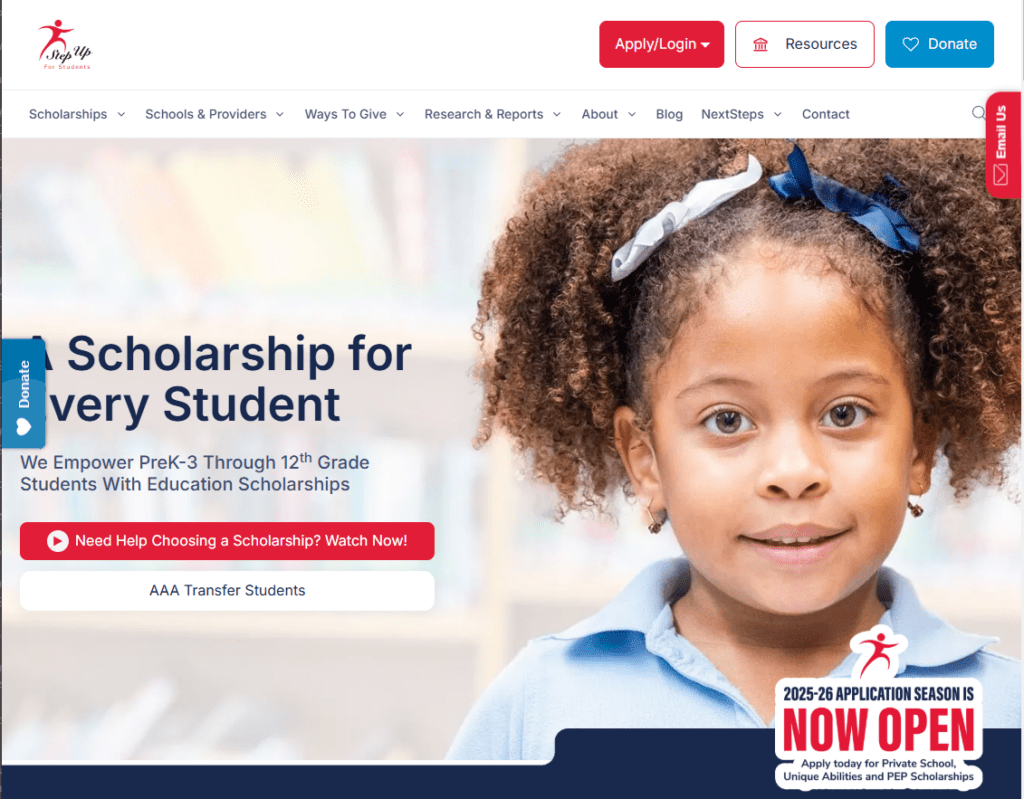
How to Get a Step Up Scholarship for Florida Homeschoolers
The Eaton Team
•March 5, 2025•
8 min read
You’ve heard about Step Up scholarships helping Florida homeschool families. But the application process feels overwhelming. You worry about missing deadlines or filling out forms wrong. The step up scholarship program can cover thousands of dollars in educational expenses each year. This includes curriculum, tutoring, and online classes. But here’s the thing: many homeschool parents don’t realize they qualify. Or they assume the paperwork is too hard to tackle. What if you could understand exactly what these scholarships cover? And who qualifies? And how to apply without the confusion? Let’s walk through everything you need to know about step up scholarship options for homeschoolers. We’ll break down who can get them. We’ll explain what expenses qualify. And we’ll give you a clear roadmap for applying. By the end, you’ll know if your family qualifies. And you’ll know exactly what steps to take next.
What Is the Step Up Scholarship Program?
Step Up For Students runs Florida’s tax credit scholarship programs. And yes, homeschool families can qualify for certain options. The program isn’t just for private schools. It gives real money to help cover school expenses. These are expenses that homeschool parents are already paying out of pocket. Think curriculum, online classes, therapy services, and school materials.
Here’s what makes this different from other scholarship programs. Step Up scholarships are funded through Florida’s tax credit program. Businesses give to the scholarship fund. They get tax credits in return. That means the money comes from private donations. It doesn’t come directly from state education budgets. It’s a detail that matters when you’re figuring out how the program works.
Now, Step Up For Students runs several different scholarship types under one umbrella. Not all of them apply to homeschoolers. The Family Empowerment Scholarship is the main option for homeschool families. Other programs like the Florida Tax Credit Scholarship mostly serve students attending private schools. Understanding which scholarship matches your situation saves you time. It also saves you frustration during the application process.
The bottom line? Step Up isn’t one program. It’s a network of scholarship options. Knowing which one fits your family is the first step toward getting those funds.
Does the Step Up Homeschool Scholarship Work for Your Family?
Not every Florida homeschool family qualifies for Step Up funding. But you might be surprised by who does. The program uses household income as the main gatekeeper. Those limits are higher than many parents expect. Your family’s specific situation determines which scholarship path makes sense for you.
Here’s what determines if you qualify:
Household income limits: Your family’s adjusted gross income must fall within program guidelines. These vary by household size. A family of four, for example, can earn much more than the federal poverty level and still qualify.
Florida residency: Both you and your student must be Florida residents. You’ll need to provide proof during the application process.
Homeschool registration: Your registration type with your local school district affects which scholarship options you can access. Some programs work with private school portfolios. Others accept home education program registrations.
Prior enrollment history: If your child previously attended public school, you may have more scholarship options available. Students new to homeschooling follow different pathways than those who’ve been home educated for years.
The good news? Most families who think they won’t qualify actually do. Income limits adjust annually. They account for family size. It’s worth checking even if you’ve been turned down before.
What Does the Step Up Homeschool Program Cover?
The step up homeschool scholarship covers a wide range of school expenses. But it’s not a blank check for everything homeschool-related. Understanding what qualifies helps you plan your budget. It also helps you get the most from your scholarship funds. Most families are surprised by how many everyday homeschool expenses actually count as approved purchases.
Here’s what typically qualifies for Step Up funding:
Curriculum and textbooks: Your core subjects like math, language arts, science, and history are covered. This includes physical books or digital materials.
Online learning programs: Subscriptions to platforms like Khan Academy Kids, Time4Learning, or IXL qualify as school expenses.
Educational software: Programs that teach typing, coding, foreign languages, or other academic skills are approved.
Tutoring services: One-on-one or small group instruction in academic subjects counts. This includes specialized help for struggling learners.
Educational therapies: Services like occupational therapy, speech therapy, or educational therapy may qualify if they’re part of your child’s learning plan.
Testing fees: Standardized tests, AP exams, and required assessments are usually covered.
Keep in mind that general school supplies don’t usually qualify. Neither do sports equipment or field trips. The scholarship focuses on direct instructional expenses.
Step Up for Homeschool: The Application Process Step-by-Step
Ready to apply? The good news is that the step up for homeschool application process is easier than most parents expect. You don’t need to be tech-savvy. You don’t need a filing cabinet full of documents. Just follow these steps in order. You’ll be done before you know it.
Create your account. Head to the Step Up For Students website and register. You’ll need a valid email address. You’ll also need basic information about your family. Keep your login details somewhere safe. You’ll use this account to check your application status later.
Gather your documents. Before you start the application, collect proof of income. This includes tax returns or pay stubs. You’ll also need Florida residency documents. Utility bills or lease agreements work. And you’ll need your child’s birth certificate or student ID. Having everything ready makes the process much faster.
Complete the online application. Applications open during specific enrollment periods. This is typically in February. Sometimes there’s another window in the summer. Fill out each section carefully. Double-check names, dates, and income figures. Most parents finish in 20–30 minutes.
Submit and wait. Upload your supporting documents through the portal. Then watch your email for updates. The decision usually takes a few weeks. It can be longer during peak application times. You’ll get clear instructions about next steps once your application is reviewed.
When Should You Apply for a Step Up Scholarship?
Timing matters more than you might think with step up scholarship florida applications. Missing an application window means your family waits months before you can try again. That could mean paying out of pocket for curriculum and classes. These are things you’d planned to cover with scholarship funds.
Here’s what you need to know about Step Up scholarship timing:
Eaton publishes a free Step Up testing cheat sheet that lists all FLDOE-approved tests and PEP testing deadlines in one place.
Application windows open at specific times. The main application period typically opens in early spring. But exact dates change each year. Check the Step Up For Students website in January to see when applications open.
Priority deadlines give you better odds. Applications submitted during the priority window get reviewed first. If you apply after the priority deadline, you’re competing for whatever funding remains.
Renewal applications have different timelines. If your child already has a scholarship, you’ll apply during a separate renewal period. This is usually before new applicants. Don’t assume your renewal happens automatically.
Plan for processing time. From application to approval can take several weeks. Apply at least two to three months before you need to buy curriculum or pay for classes.
Common Step Up Scholarship Mistakes to Avoid
Even families who qualify for step up scholarship homeschool funding sometimes lose out. This happens because of simple, avoidable mistakes. You don’t want to go through the application process only to face delays or denials. Especially over something you could have prevented. Here are the most common pitfalls homeschool parents run into. And here’s how you can steer clear of them:
Incomplete documentation. This is the number one reason applications get delayed or denied. Missing tax forms, unsigned pages, or unclear income verification can stop your application in its tracks. Double-check every required document before you submit.
Misunderstanding qualified expenses. Not every school expense qualifies for Step Up funding. Parents sometimes buy items they assume are covered. Then they discover they can’t use scholarship funds for them. Review the approved expense list carefully before you buy.
Missing renewal deadlines. Step Up scholarships don’t automatically renew. You need to reapply each year. And deadlines come faster than you think. Mark your calendar now. Or you could lose funding for the entire next school year.
Poor record-keeping. The scholarship organization can audit your account at any time. If you can’t produce receipts showing how you spent the funds, you might have to repay money. Or you could lose future eligibility. Keep every receipt organized and accessible.
What Happens After Your Step Up Homeschool Scholarship Is Approved?
Getting approved feels like crossing the finish line. But it’s actually just the starting gate. Your step up for students homeschool scholarship doesn’t arrive as one big check. You can’t spend it however you want. Instead, you’ll work within a system designed to make sure funds go toward approved school expenses. Here’s what actually happens once you’re in:
Funds are released on a schedule. Money typically comes in quarterly disbursements. Not all at once. You’ll need to plan your curriculum purchases and enrollment dates around these payment windows.
You’ll use approved vendors or request reimbursements. Some expenses get paid directly to providers. Like online schools. For others, you’ll buy materials first. Then you submit receipts for reimbursement. Which means fronting the money temporarily.
Reporting requirements keep your scholarship active. Expect to submit quarterly or annual reports. These show how you spent the funds. Miss a deadline, and your scholarship could be suspended.
Understanding the rules protects your eligibility. Using funds for non-approved expenses can trigger audits or disqualification. Even honest mistakes. Read your scholarship organization’s guidelines carefully. And keep detailed records of every purchase.
Frequently Asked Questions
Can I use Step Up scholarship money for any homeschool curriculum?
Most curricula qualify. But you need to buy from approved vendors. If you buy from a vendor not on the Step Up For Students approved list, you’ll have to follow the reimbursement process. Which means more paperwork and waiting for approval. Before you buy anything, check the current approved vendor list on the Step Up For Students website. This saves you from finding out later that your favorite curriculum provider isn’t approved. Many popular homeschool curriculum companies are already on the list. But it’s worth double-checking every time you make a purchase.
What if my income is too high for the Step Up scholarship?
Florida offers other education options even if your income exceeds the Step Up limits. The Personalized Education Program (PEP) has different eligibility requirements. It might work for your family. Some families also combine traditional homeschooling with part-time enrollment options. This could be at local schools or co-ops. Your income level doesn’t mean you’re out of options. It just means you’ll explore different programs that fit your situation.
Do I have to renew my Step Up homeschool scholarship every year?
Yes, you need to renew annually. Each year, you’ll reapply during the renewal window. You’ll submit updated documentation like income verification and student information. Mark your calendar for the renewal period. Missing the deadline means you’ll start over as a new applicant. New applicants face longer wait times. They may not get funding for the upcoming school year. Set a reminder at least a month before the renewal window opens. This gives you time to gather documents.
Can I homeschool and use a Step Up scholarship at the same time?
Yes, but the details depend on which scholarship program you’re using. They also depend on how your homeschool is registered with Florida. Some families use Step Up scholarships to pay for curriculum, tutoring, and online classes. They maintain their official homeschool registration with the state. Others enroll in an umbrella school or private school that accepts scholarship funds. You’ll want to understand how your chosen registration method works with scholarship funding before you apply.
Step Up scholarships can make a real difference in your homeschool budget. They cover curriculum, tutoring, therapy services, and more. But the key to success is understanding who qualifies. And staying on top of deadlines. If you think your family might qualify, don’t wait until the last minute to start the process.
Begin gathering your documentation now. Even if the application window isn’t currently open. You’ll need proof of income. You’ll need your child’s birth certificate. And you’ll need other paperwork that takes time to collect. Create your account on the Step Up For Students website today. That way you’re ready when applications open. Check the site regularly for updates on application periods. They fill up quickly. Being prepared means you won’t miss your chance.
Thousands of Florida homeschool families are already using Step Up scholarships to make education more affordable. With a little preparation and the right information, your family could be next. You’ve got this.
Curated resources and expert insights from the Eaton team to support your homeschool journey. Our content is researched and crafted to help families thrive.